

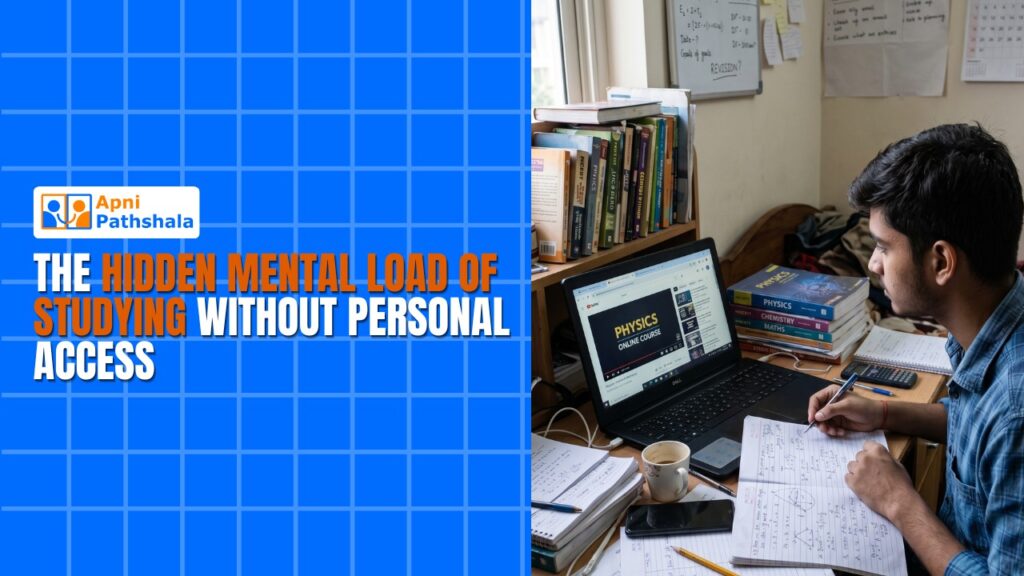
There is a kind of pressure that never makes it into a student’s report card. It is not the difficulty of an exam or the fear of failing a subject. It is the daily friction of studying without the right tools, waiting for a phone to be free, sharing a device with siblings, and losing work because a session was cut short. This hidden friction is one of the most overlooked sources of student stress in education today. And quietly, steadily, it adds up.
The Weight Students Carry Before They Even Open a Book
Most conversations about academic pressure on students focus on exams, marks, and competition. But there is another layer of pressure that students in shared-device households carry every single day, the pressure of logistics.
Before a student can study, they must first navigate a series of questions: Is the phone free? Has someone else charged it? Will someone interrupt them mid-session? Can they save their work before it is needed for something else? Will the data run out before the video finishes?
These are not small concerns. Each one requires mental energy, energy that should be going into learning, but instead goes into managing access. Researchers who study cognitive load have found that this kind of background worry significantly reduces the mental bandwidth available for actual studying. A student who is anxious about whether they can finish their session is not fully present in it.
It is worth asking: how many students across India start their study sessions already mentally tired, not from studying, but from the effort of simply getting access to study? This form of pre-study exhaustion is rarely named, but its effects are measurable in focus, output, and confidence.
What Study Stress for Students Really Looks Like Day to Day?
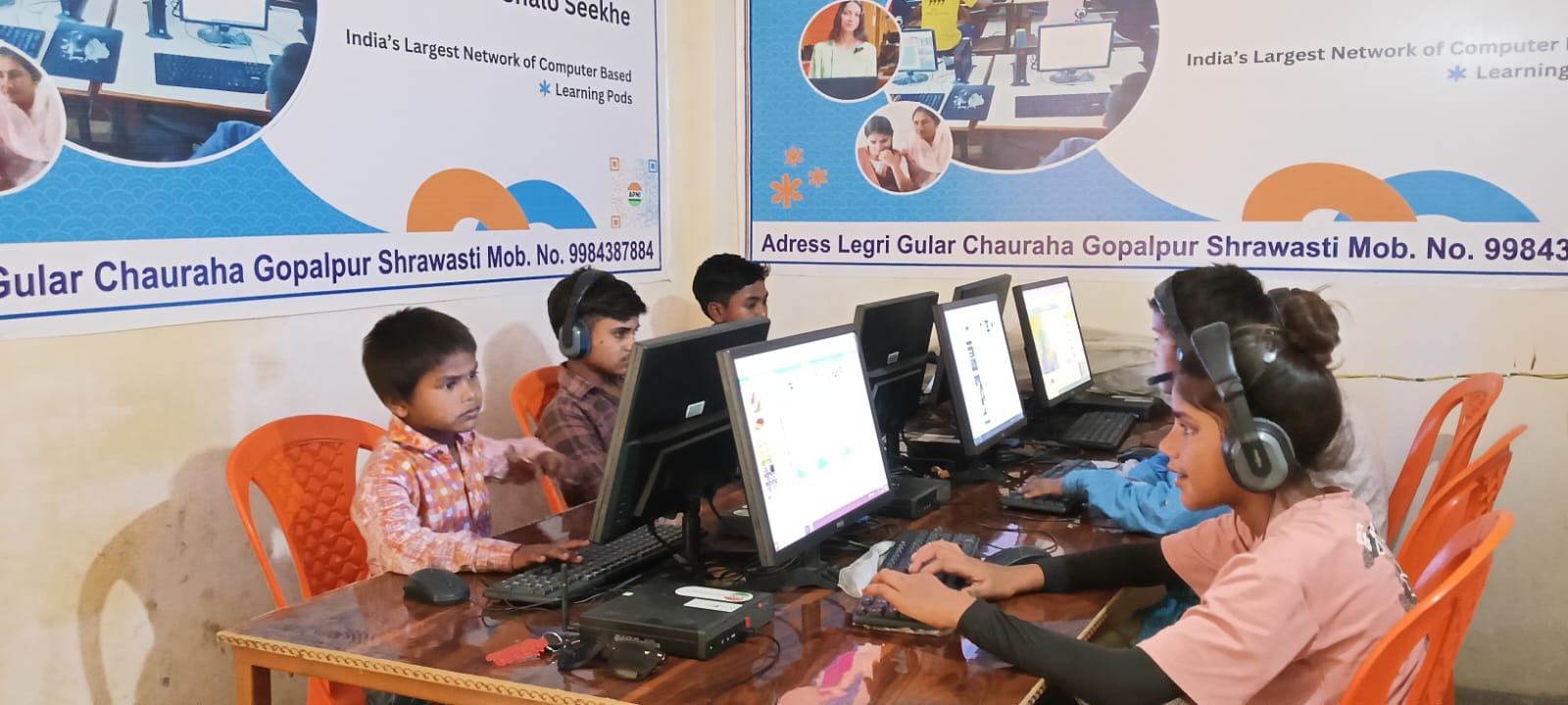
Stress for students without personal device access is not always visible. It does not always show up as tears or complaints. It shows up quietly, in patterns:
- A student who rushes through assignments because they know someone else needs the phone soon
- A child who avoids difficult questions because they do not have time to sit with them properly
- A teenager who gives up on self-study entirely and waits for school to explain everything, because independent exploration feels impossible on a shared device
- A student who feels perpetually behind without fully understanding why, because their preparation is always fragmented and incomplete
- A child who quietly stops raising their hand in class, because they could not prepare well enough the night before
Over time, this kind of fragmented experience changes how a student sees themselves as a learner. They stop thinking of themselves as capable and start thinking of themselves as always catching up, even when the real problem is access, not ability.
According to WHO guidelines on children and screen use, structured and purposeful screen time that supports learning has measurably better outcomes than fragmented, rushed, or contested device access. The quality and consistency of access matter as much as the access itself. A student who can use a device fully and without pressure learns differently from one who is always watching the clock.
How Solving Education Challenges for Students Starts at Home
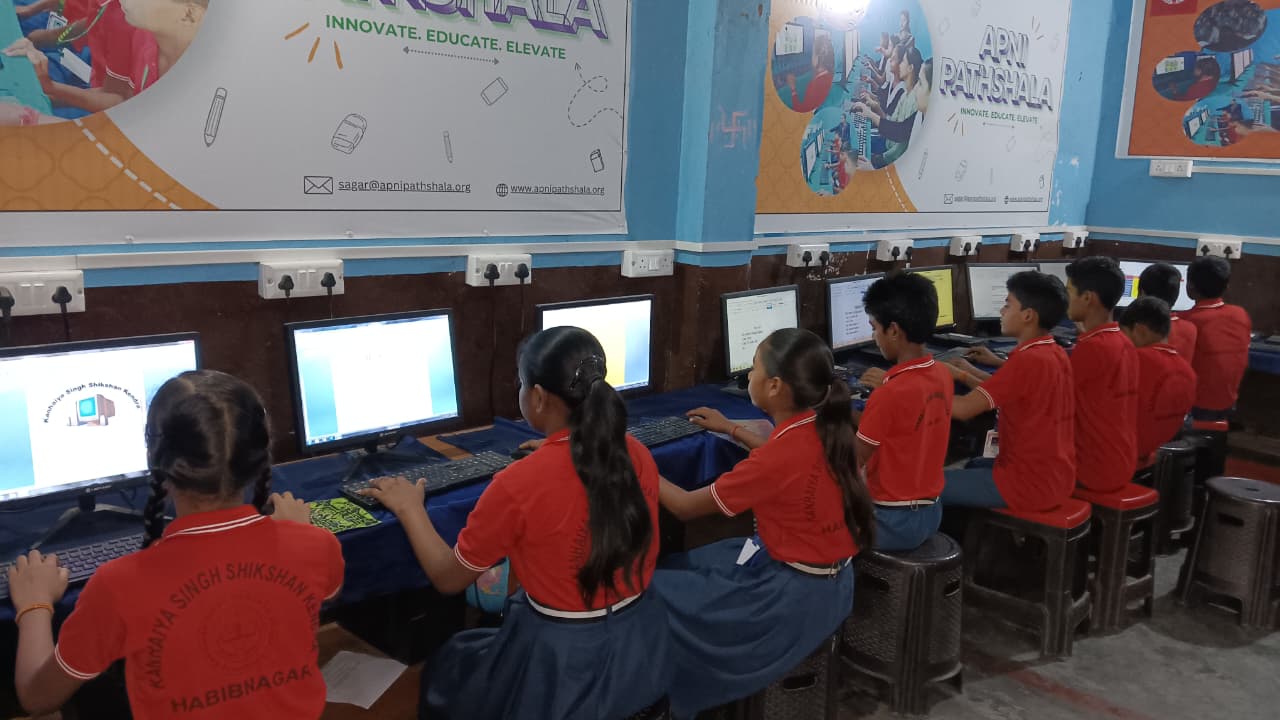
The education challenges that most families focus on for students are external: school quality, teacher availability, and tuition costs. But one of the most impactful changes a family can make is internal, giving a student their own dedicated learning device.
When a student knows that a computer is theirs, available when they need it, set up the way they like, not shared, not borrowed, not on a schedule, the mental load disappears. They do not spend energy managing access. They spend it learning.
That may sound like a small shift. But for a student sitting down to study five nights a week, removing that friction adds up to hours of recovered focus time every month, time that goes directly into preparation, practice, and genuine understanding.
The India.gov.in education portal highlights that equipping students with consistent learning resources at home is a foundational step in improving educational outcomes across the country. A student who can sit down and study without first solving a logistics puzzle is already in a better position than one who cannot.
This is precisely what Apna PC addresses. At just ₹21,000 (shipping and GST excluded), it removes the daily access friction entirely, no waiting, no negotiating, no shortened sessions. Read about The Hidden Cost of Not Having a Computer in 2026 and understand why The Biggest Advantage a Student Can Have Today is not marks or coaching, but the right conditions to learn without stress every single day.
Remove the hidden pressure from your child’s daily study routine and give them the space to focus on what actually matters. Visit apnapc.com to learn more.