

Schools teach subjects. But the world beyond school runs on students’ computer skills: typing, research, file management, online communication, and the ability to learn new tools quickly. These are not skills you pick up from a textbook or a weekend workshop. They develop through daily practice, using a personal device to experiment, make mistakes, and grow comfortable with it over time. A personal computer is not just a study tool; it is where future-ready skills are built, one session at a time.
What Future-Ready Skills Actually Look Like?
The phrase “future-ready skills” is often used, but it is worth being specific about what it means for a student today. It is not just coding or programming, though those matter. It includes:
- The ability to find, read, and verify information online
- Knowing how to organise digital files and manage assignments across applications
- Communicating clearly through email and written digital messages
- Using productivity tools like spreadsheets, documents, and presentations
- Developing comfort with learning new software quickly and independently
These are skills that employers, universities, and every professional environment expect students to already have when they arrive. And yet very few schools have the time or resources to teach all of them properly. The gap between what a classroom provides and what the world expects is growing wider every year.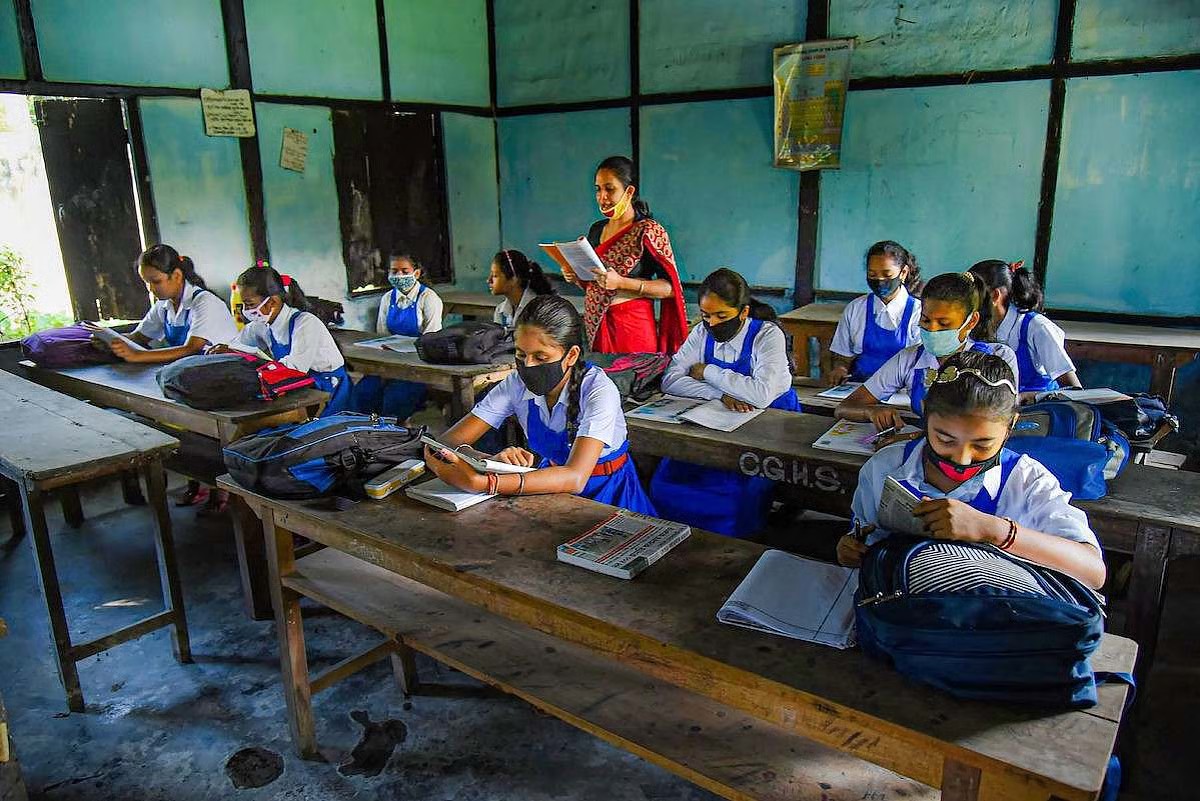
Every one of these skills transfers directly to higher education and professional life. A student entering college who cannot navigate a spreadsheet, format a document, or manage online research is already behind before the first lecture begins. Future-ready skills are not optional extras; they are baseline requirements, and the time to build them is now, not later.
How Digital Skills Development Happens Through Daily Use
Digital skills development does not happen through a single class or learning programme. It happens through repetition and familiarity, through using a device so regularly that navigating it becomes second nature.
Consider what a student with their own computer naturally learns over a year of regular use:
- They learn to type faster, which makes every written assignment easier and quicker.
- They discover how to organise folders and manage multiple files without losing work.
- They get comfortable researching a topic online, finding sources, reading carefully, and comparing information.
- They learn presentation software by building school projects on it.
- They develop basic troubleshooting habits and, with them, genuine problem-solving confidence.
None of this happens in a structured lesson. It happens organically, through regular interaction with the device. A student who shares a phone or waits for turns on a family laptop does not get this exposure. They get fragments. The student with their own computer gets the full picture every day.
The difference shows up in class, too. Students who use computers regularly at home are noticeably more confident when a teacher assigns a digital task. They already know the basics. They can focus on the assignment’s content rather than struggle with the tool. That confidence, earned through daily practice at home, is exactly what personal access builds.
Why Technology Education for Students Starts With Access?
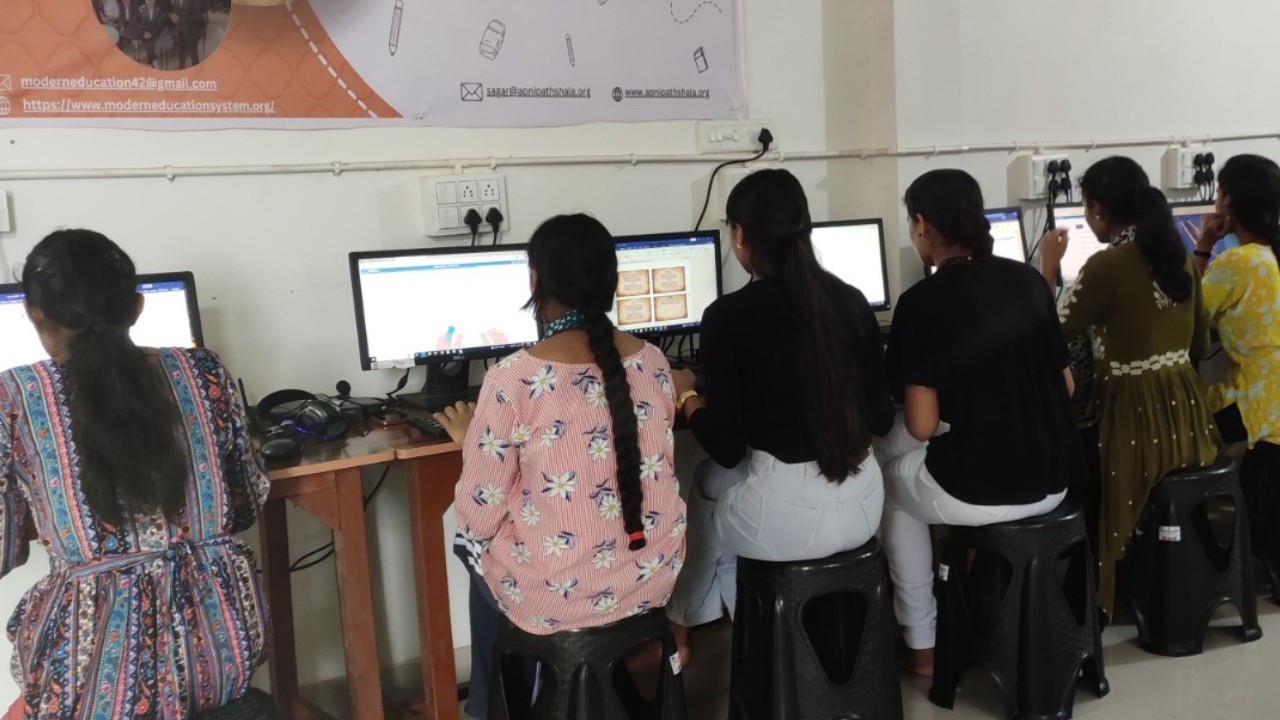
Technology education for students is a national priority. But there is a gap between policy intent and student reality. Digital content has been made available through platforms and schemes, but access to digital content is only half the equation. The other half is access to a dedicated personal device where students can practise daily, explore freely, and build real fluency over time.
According to NCERT (National Council of Educational Research and Training), the school curriculum increasingly expects students to engage with digital tools, from research projects to computer science electives. These expectations assume that students have regular access to a computer, not just a smartphone. A phone can browse content, but it cannot comfortably run applications, build typing speed, manage complex files, or develop the fluency that a laptop or desktop naturally creates.
The Digital India initiative has set an ambitious vision for every Indian to become digitally capable. That vision starts with students, the future workforce, having the tools they need to participate fully in a digital economy. A child who grows up using a personal computer arrives at adulthood already fluent in the language of the professional world.
Apna PC is built to address this gap. At just ₹21,000 (shipping and GST excluded), it puts a full-featured personal computer in the hands of Indian students who would otherwise fall behind. Read about What Is Apna PC and how it is designed for exactly this purpose, and why The Biggest Advantage a Student Can Have Today is not marks, but the skills to keep learning for life.
Give your child the computer skills that the future will demand. Visit apnapc.com to learn more.