

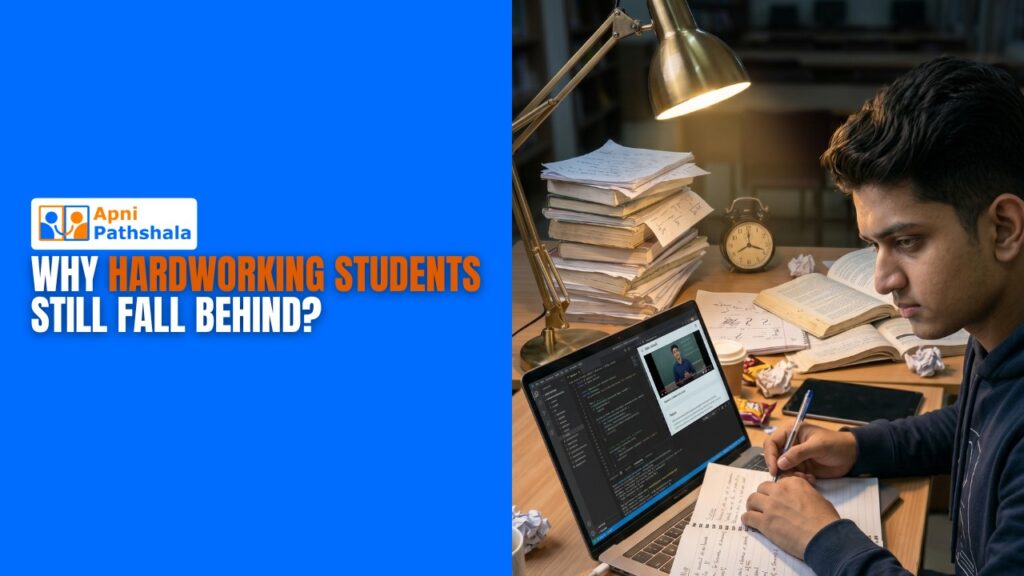
Many students wake up early, attend every class, fill their notebooks, and still come home to study. They put in the hours. And yet, they fall behind. If you’ve been asking why students fall behind despite working so hard, you’re not alone. The answer isn’t about effort. It’s about what’s quietly missing underneath: the right environment, the right tools, and a learning method that actually works for them.
Student Learning Challenges That Nobody Talks About
Most people assume a struggling student is a careless one. That assumption is wrong, and it’s harmful. The real student learning challenges are far more subtle than poor attendance or lack of interest.
Think about a class 9 student in a small town. She shares a smartphone with two younger siblings. Her house has one room, and the TV runs in the background all evening. She has no desk, no personal device, and no quiet space. She tries to revise, but there’s no way to go back and replay a concept she missed in class. She reads her notes, hopes for the best, and moves on.
This isn’t laziness. This is a structural gap, one that no amount of willpower alone can bridge. When the environment doesn’t support studying, even the most dedicated students begin to fall behind, slowly and silently.
The Real Reasons Students Struggle in Their Studies?
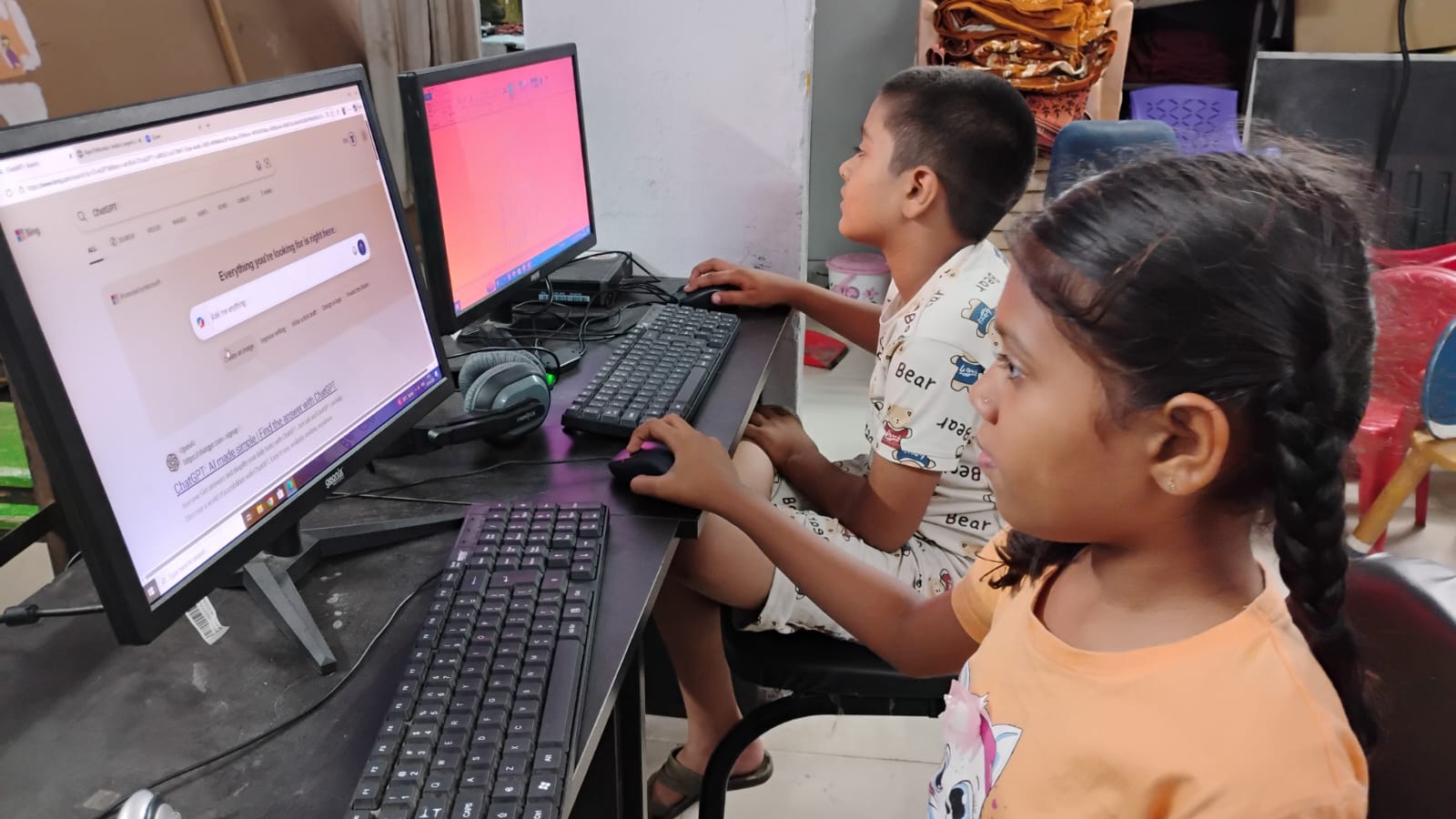
There are specific, identifiable reasons students struggle in their studies, and most of them have nothing to do with intelligence.
No personal device at home. When a student shares one phone with the entire family, study time is always borrowed time. One notification, one call, one sibling’s need, and the focus is gone.
No way to revisit missed concepts. If a teacher explains something once and the student doesn’t follow it, that’s it. Without access to video lessons or revision tools at home, the gap stays and grows.
Passive studying habits. Reading notes feels like learning. But real learning happens through practice, recall, and solving problems. Most students never develop this habit because they don’t have the tools or guidance to do it differently.
No feedback on what’s actually missing. Without regular self-assessments or practice tests, students don’t know what they don’t know until they open the exam paper.
These aren’t one-time setbacks. They compound. A concept skipped in class 7 becomes a gap in class 8, a wall in class 9, and a crisis in class 10. According to the UNICEF India education report, millions of Indian children face learning disruptions primarily because of resource gaps at home, not because of ability.
The Learning Gap Among Students Is Widening. Here’s Why?
The learning gap among students in India isn’t just a classroom problem. It’s a home problem. Two students can sit side by side in the same school, learn from the same teacher, and walk out with completely different levels of understanding.
What separates them? What happens after school ends?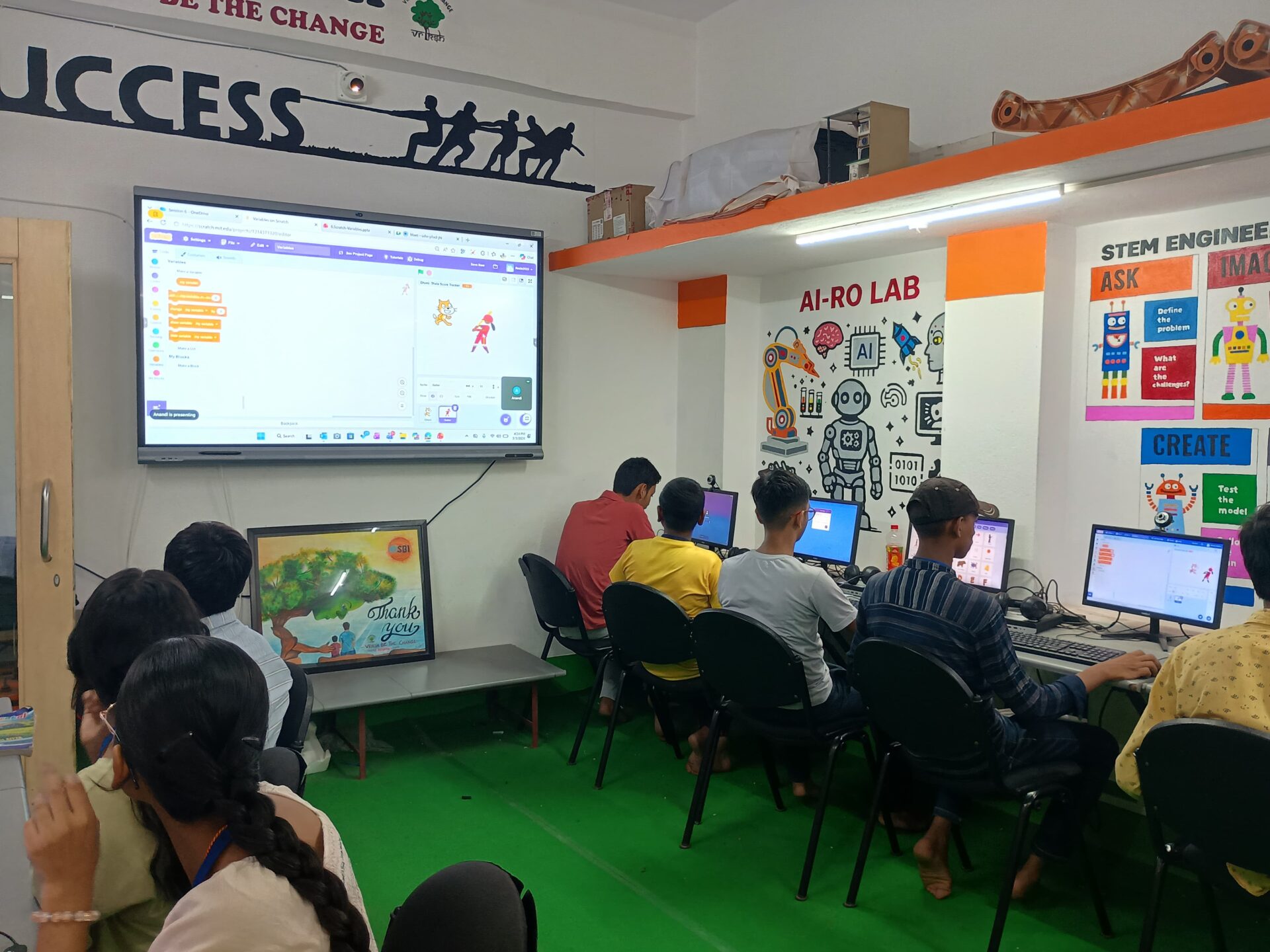
The student who goes home to a personal computer can rewatch the lesson, try practice questions, look up what they didn’t understand, and consolidate everything before the next day. The student who goes home to a shared phone and a noisy room simply cannot do the same, no matter how hard they try.
UNESCO global education research consistently shows that access to learning resources outside the classroom is one of the strongest predictors of academic performance. This isn’t surprising. What you do with the hours after school matters as much as what happens inside school.
When this access gap exists, effort alone can’t close it. That’s the uncomfortable truth behind why so many hardworking students still fall behind.
What Actually Helps Students Stop Falling Behind?
The answer isn’t more pressure or more tuition hours. It’s removing the barriers that make studying inefficient in the first place.
When a student has a dedicated personal device, everything changes. They can revisit any lesson at any time. They can practice at their own pace. They can use India-specific learning platforms without having to fight over the phone. They can track their own progress and actually understand what needs more work.
This is exactly why What Is Apna PC matters so much for Indian families. Apna PC is an affordable, education-ready computer built specifically for Indian students, available at just ₹21,000 (shipping and GST excluded). It’s designed for Tier 2 and Tier 3 cities, where hardworking students deserve the same shot as anyone else.
Once the right tools are in place, effort finally becomes the deciding factor. Not circumstances, not access, not luck. Learn more about The Biggest Advantage a Student Can Have Today and why it starts long before the exam hall.
If your child studies hard but the results don’t show it, the problem isn’t them; it’s what they’re missing. Give them what they actually need to succeed. Visit apnapc.com to learn more.