

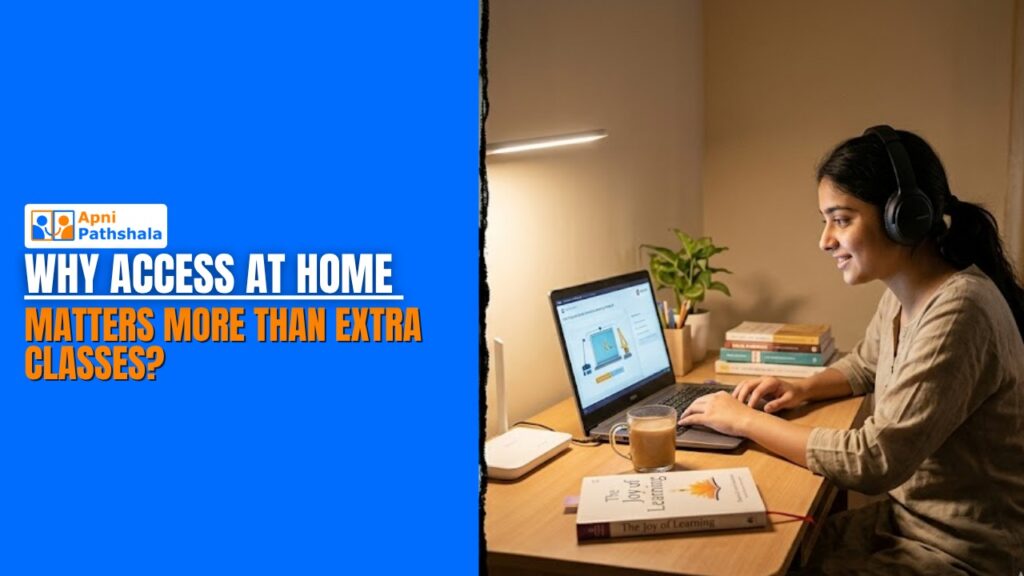
Every year, Indian parents spend thousands on tuition fees, coaching classes, and extra teachers, all hoping to give their child a better shot. But there’s something far more powerful that most families overlook: digital access for students at home. Not a smartphone to scroll on. Not a shared laptop for the whole family. A dedicated computer that a student can use independently, at any hour, for real learning. That one thing changes everything.
What Does the Importance of Digital Access in Education Really Mean?
The importance of digital access in education goes beyond just having the internet. It’s about whether a student can sit down, open a resource, and learn without waiting for permission or fighting someone else for a turn.
When access is limited, shared devices, patchy connectivity, and no computer at home, students can only learn when someone else allows it. That’s a quiet but serious disadvantage. Meanwhile, a student with their own device can revisit a topic at 9 PM, rewatch a lecture they didn’t fully understand, or spend an extra hour on a chapter before an exam.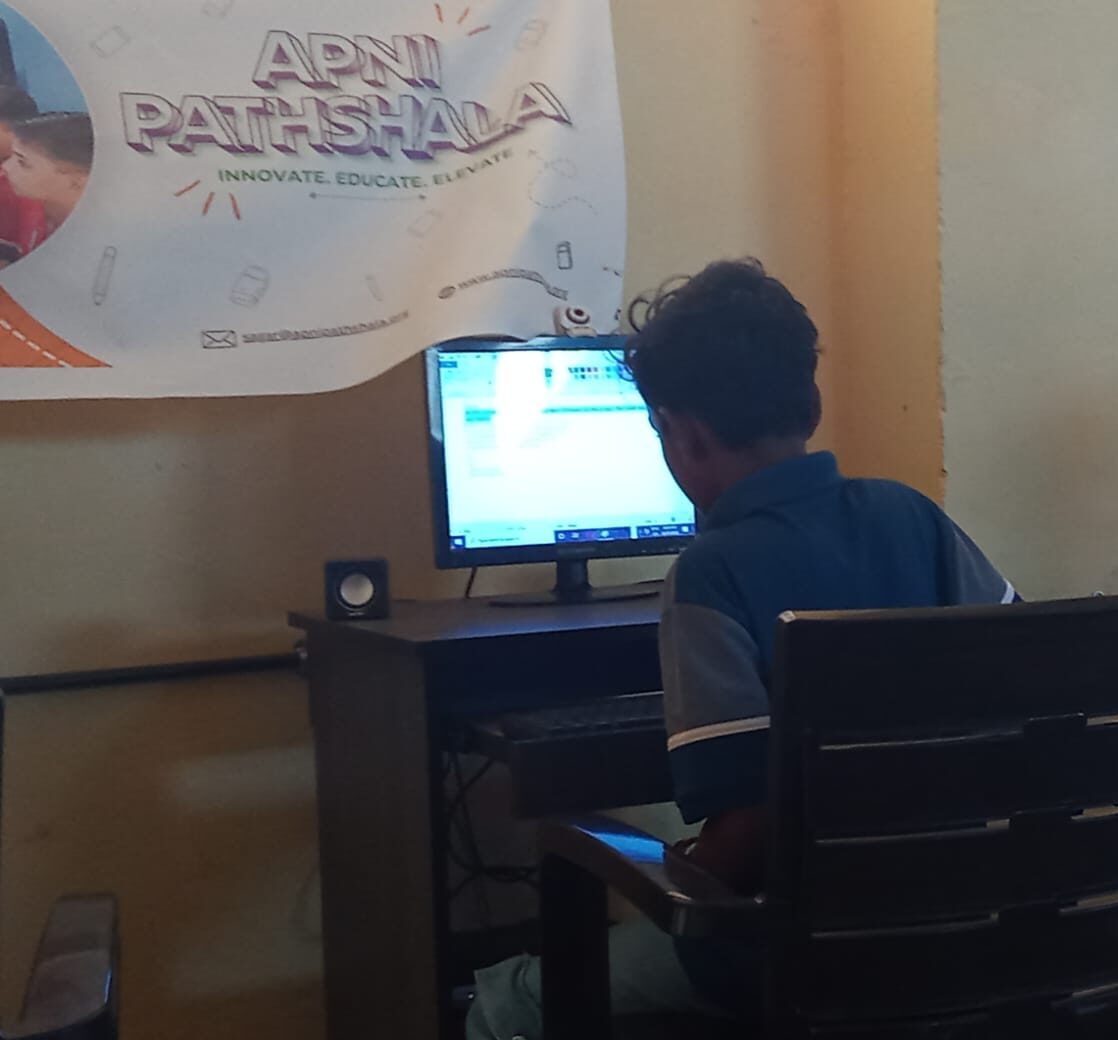
Research from the UNICEF India education report shows that students with consistent access to learning tools at home perform better and are more likely to complete their schooling. Access isn’t a bonus feature of education; it’s the foundation.
How Students Learning at Home in India Can Actually Get Ahead
For students learning at home in India, the challenge has rarely been effort; it’s been access. Most students want to study. Many simply don’t have the right tools to do it on their own terms.
Think about what real, independent study requires:
- A dedicated screen, not shared with parents or siblings
- Learning material available any time, not just during school hours
- Time on the student’s own schedule, late evening, early morning, whenever focus comes
A personal computer brings all three together. And with platforms like DIKSHA India’s national digital learning platform, students anywhere in the country can access NCERT textbooks, subject videos, and practice resources completely free, but only if they have a device to open them on.
A tuition class gives a student maybe 90 focused minutes, three times a week. A personal computer gives that same student access to learning 24 hours a day, 7 days a week. The math isn’t complicated.
Online Learning Without Device Problems: The Friction Nobody Talks About
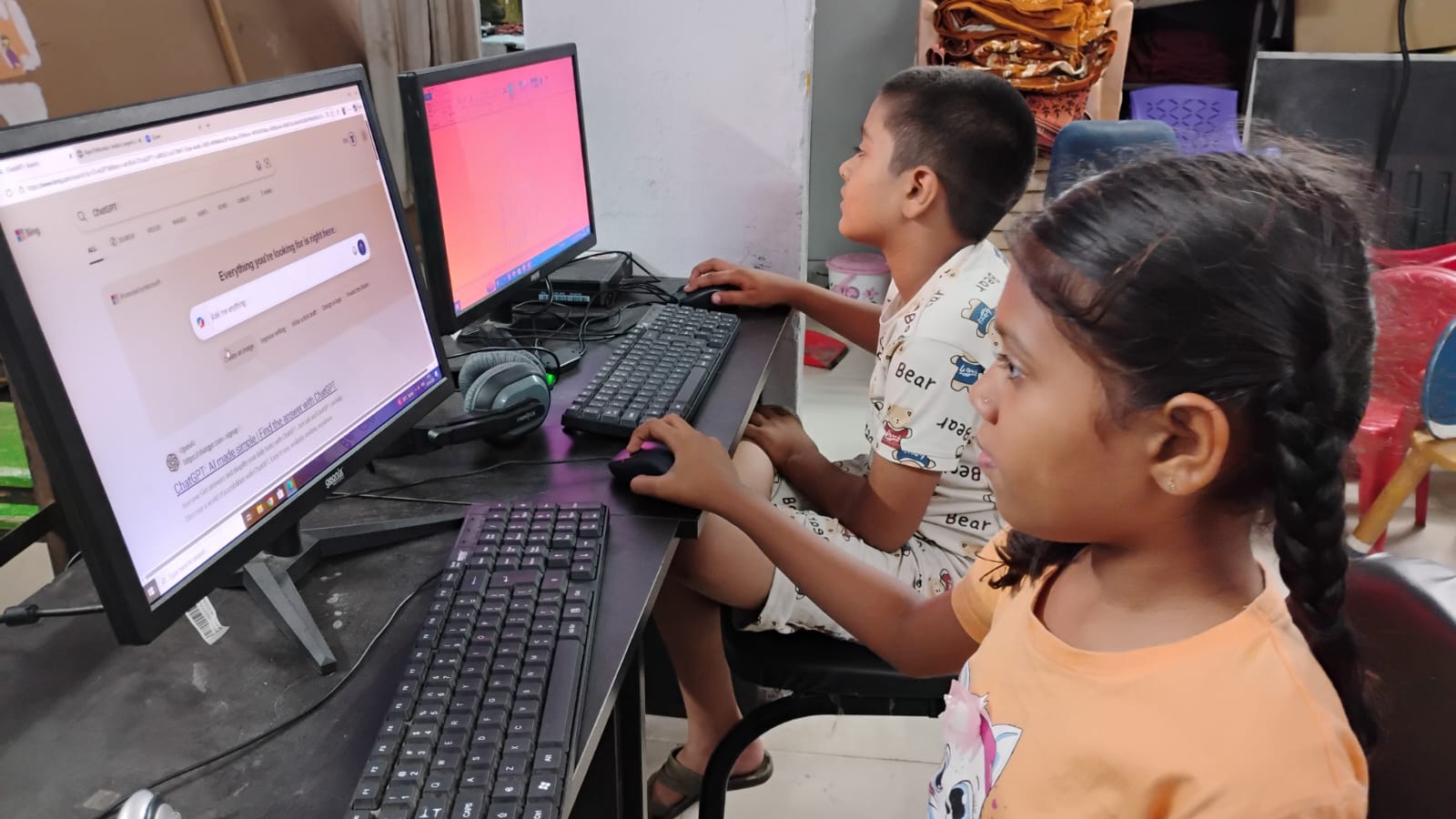
One of the most underrated barriers in Indian education today is this: online learning without device problems. Most families don’t think about it until it’s already a crisis, a video lesson buffering endlessly, a PDF that won’t load, a class assignment that fails to submit.
These aren’t small frustrations. They break learning routines. They make students feel like technology “isn’t for them.” They create real gaps, not because a student didn’t try, but because the tool kept getting in the way.
Smartphones make this worse. They’re designed for communication and entertainment, not four hours of focused study. The screen is small, notifications interrupt concentration, and storage fills up fast. The experience of trying to study seriously on a phone is entirely different from studying on a proper computer, and the outcomes show it.
Removing friction from learning is one of the highest-impact things a family can do. When a student can open a laptop, settle in, and study without the device fighting back, they study more. Simple as that.
Why Apna PC Fits This Moment Perfectly?
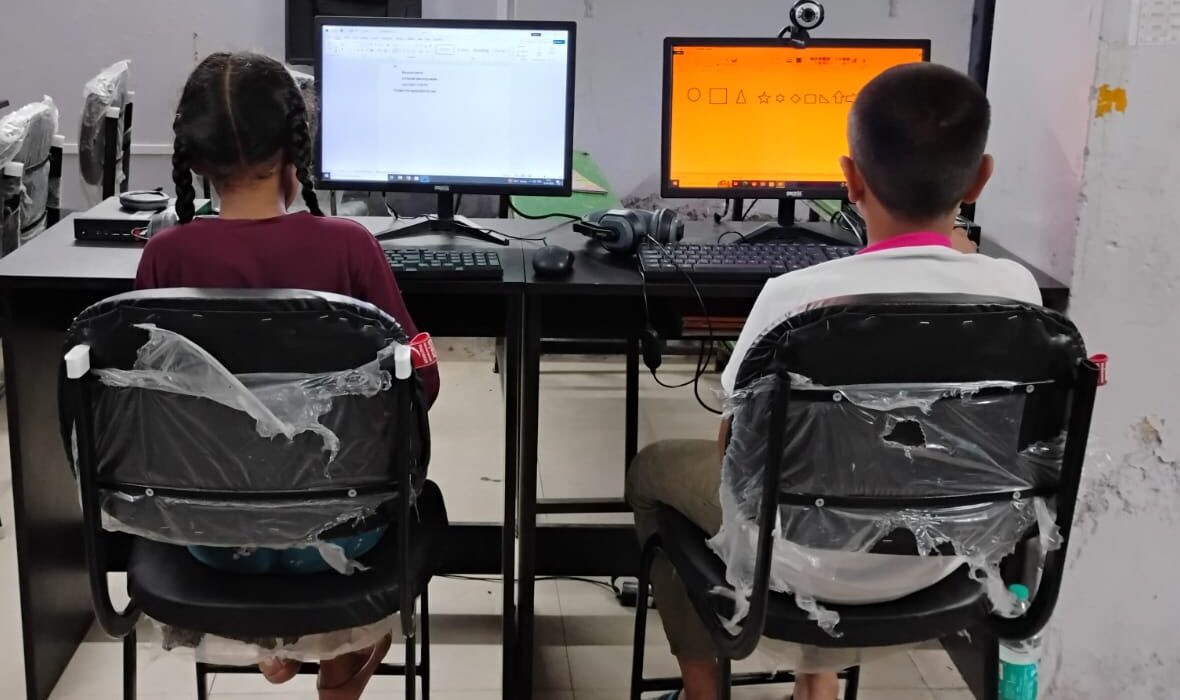
Apna PC was built for exactly this situation. It’s not a gaming machine or a corporate laptop repurposed for children; it’s an educational computer designed specifically for Indian students and families, with offline learning content included so students can study even when internet connectivity is unreliable.
At ₹21,000 (shipping and GST excluded), it sits within reach for families who’ve already been spending on tuition. And unlike a coaching class that ends in March, a computer stays with the student through every exam, every new topic, and every late-night revision session for years.
As covered in Why Every Indian Student Needs Their Own Computer, the real cost of not having a device isn’t just lower marks; it’s the independence and learning habits that never develop when access remains a problem.
Extra classes teach content. A personal computer teaches a student how to keep learning. That’s the bigger, longer-lasting gift. And it’s available right now. The Hidden Cost of Not Having a Computer in 2026 explains why waiting only makes the gap harder to close.
If your child is putting in the effort but not seeing the results, the missing piece might not be more tuition; it might simply be access. Apna PC is built to fix that, affordably and practically. Visit apnapc.com to learn more.