

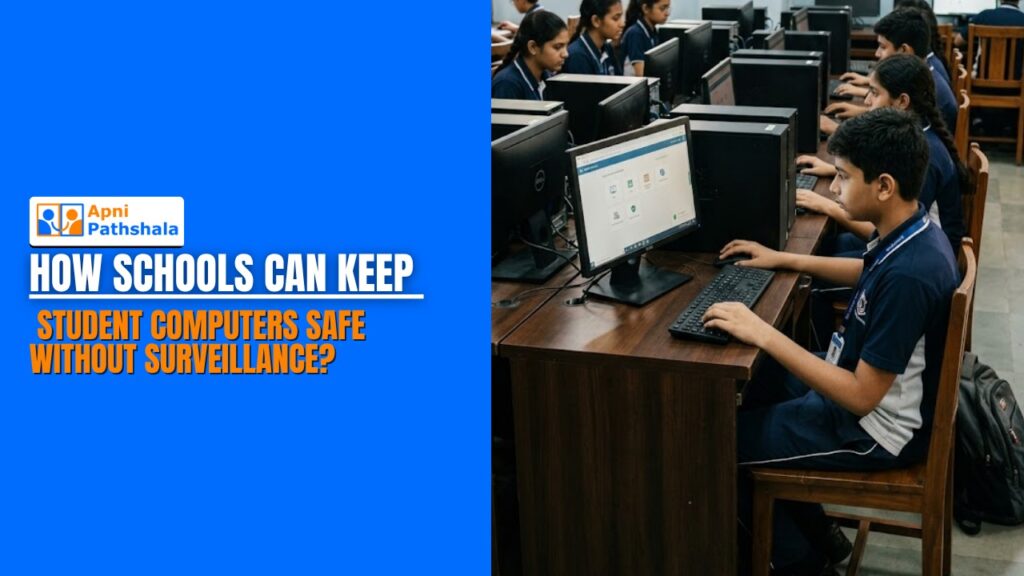
A school in Pune recently introduced a computer lab with 20 devices for its students. Within two weeks, the IT coordinator discovered that children were accessing gaming sites during study periods, sharing personal information in chat rooms, and downloading unrelated content on school devices. The school wanted to address the problem, but they also did not want to create an atmosphere of surveillance that made students feel monitored like criminals. This is the exact tension that student device monitoring in schools in India faces today: how do you keep children safe and focused on school computers without turning the learning environment into a policed zone?
Why Device Monitoring in Schools Is Necessary, But Must Be Done Right?
When schools provide computers to students, in labs, classrooms, or through take-home schemes, they take on a responsibility. These devices are on school premises, used by minors, and connected to the internet. Without some form of oversight, they become open gateways to distraction, inappropriate content, and genuine safety risks.
But the approach to school computer monitoring adopted by Indian institutions matters enormously. Monitoring that feels punitive, invasive, or distrustful damages the relationship between students and their school and actively discourages children from using technology confidently and creatively. The goal is not to catch students doing something wrong. The goal is to create an environment where doing something wrong is naturally less likely.
According to NCERT’s digital literacy framework for Indian schools, effective device management in educational settings focuses on structural safeguards, built-in content controls, clear usage policies, and educator awareness, rather than on continuous real-time surveillance of individual student activity.
Practical Ways Schools Can Monitor Devices Responsibly
Here is a balanced, proven approach that protects student digital safety in school environments, while maintaining, without creating a culture of surveillance:
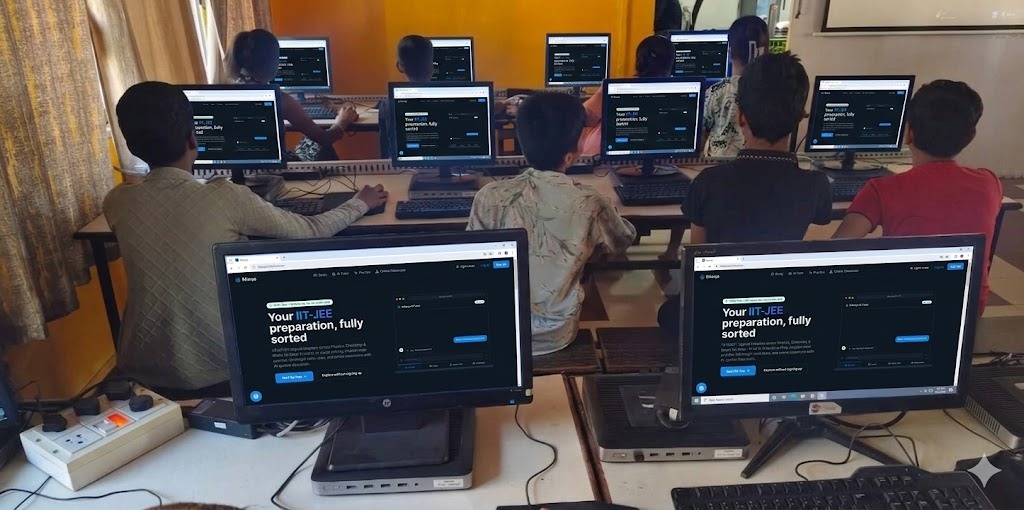
- Start with purpose-built educational devices: The most effective form of monitoring is prevention. When schools use computers like Apna PC, which come with safe browsing built in, no social media or entertainment apps, and educational content preloaded, the vast majority of monitoring concerns disappear automatically. There is no access to gaming sites because those pathways do not exist on the device. Safe by design beats surveillance after the fact every time.
- Set clear, written device usage policies: Every student and parent should receive a simple, clear document explaining what school computers are for, what is not permitted, and the consequences of misuse. When expectations are transparent and agreed upon in advance, monitoring becomes about ensuring compliance with known rules, not about catching people out.
- Use network-level content filtering: Schools can implement DNS-based content filtering on their Wi-Fi network. Tools like Cloudflare for Families or CleanBrowsing are free and automatically block harmful content for every device on the school network. This protects all devices simultaneously without requiring individual monitoring of each student’s screen.
- Train teachers to observe, not surveil: Teachers do not need monitoring software to know when a student is off-task. Regular walkthroughs of the computer lab, screen visibility due to the physical arrangement of desks, and active engagement with what students are doing are all effective and non-invasive. A teacher who circulates through the lab naturally deters misuse without creating a surveillance atmosphere.
- Review usage logs periodically, not constantly: Most educational platforms and school networks generate usage logs that record which sites were visited, which platforms were used, and how long sessions lasted. Reviewing these weekly or monthly for patterns, rather than monitoring individual sessions in real time, gives schools the information they need while respecting student dignity.
- Involve students in creating the rules: When students participate in setting the guidelines for how school computers should be used, they develop ownership over those rules. A Class 8 student who helped write the computer lab policy is far less likely to violate it than one who had rules imposed from above without explanation.
Discover how Apna PC eliminates the need for complex monitoring by keeping devices safe and focused by design on our Why Every Indian Student Needs Their Own Computer page.
Building a Culture of Responsible Device Use in Schools
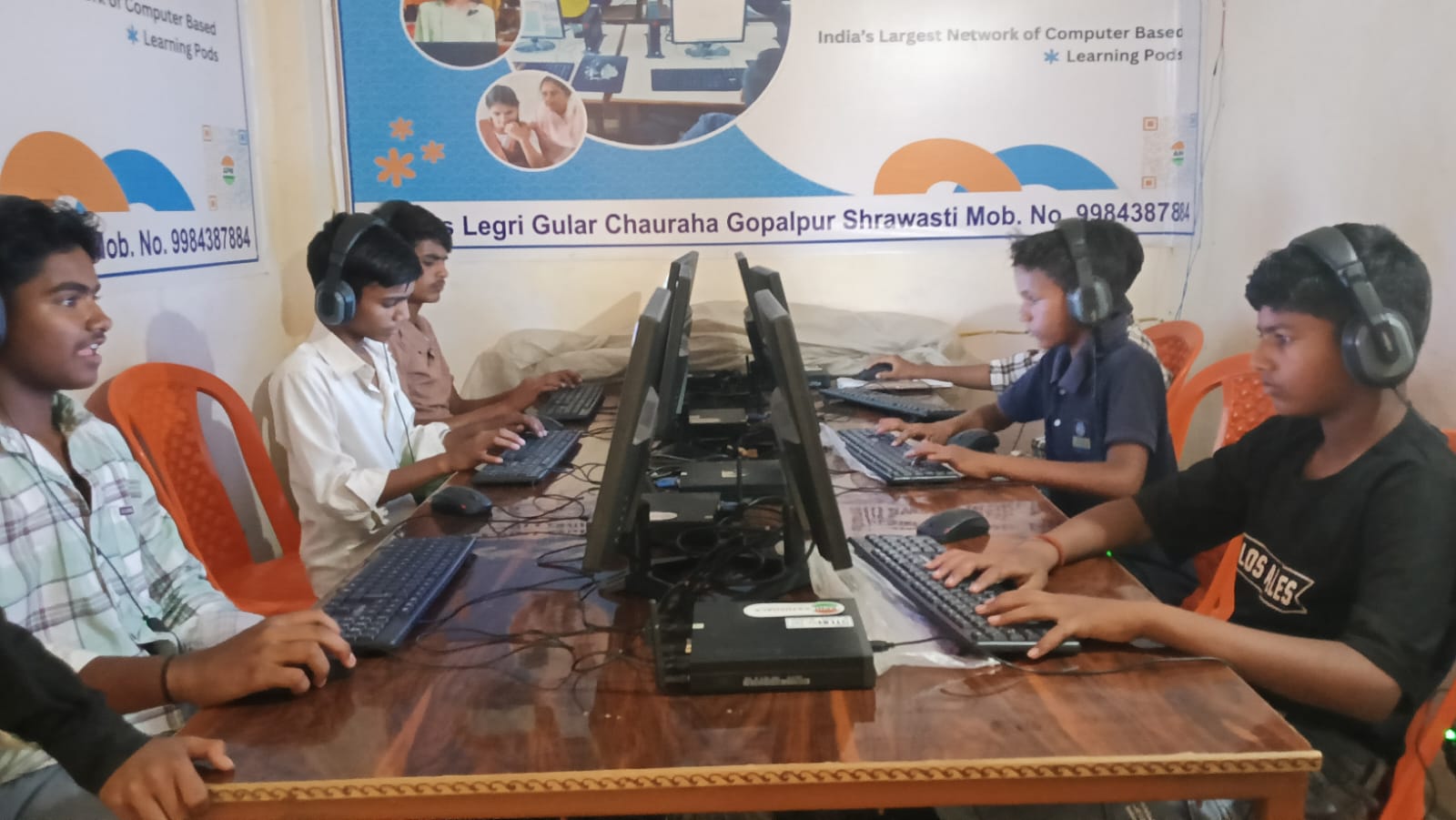
The ultimate goal is not a school where students are constantly monitored; it is a school where students have genuinely internalised responsible device use, a value that Indian communities value. That culture is built over time through education, clear expectations, and trust, not through surveillance software.
Digital citizenship should be taught explicitly, as part of the school curriculum, not just as a one-time assembly announcement. Students who understand why responsible device use matters, who have had honest conversations about online risks and digital ethics, and who see their teachers modelling good digital habits, develop responsible behaviour that extends beyond the school computer lab into their lives at home.
Schools that invest in purpose-built educational devices make it far easier to build this culture. Apna PC at Rs. 21,000 per unit (shipping and GST excluded) gives schools a device that is already oriented toward responsible use, with no entertainment distractions, no unsafe internet access, and a clean, educational interface that signals to students from the first session that this device has a clear purpose.
For school administrators wondering how to balance oversight with trust, the answer is not better monitoring software; it is better device choices, clearer policies, and a school culture that treats digital responsibility as a teachable skill rather than a disciplinary problem.
India’s Digital India initiative has been actively promoting digital literacy and responsible technology use across educational institutions, supporting schools to build the frameworks, policies, and tools needed to manage student devices effectively and ethically.
Read about how Apna PC supports schools in creating safe, structured digital learning environments on our The Biggest Advantage a Student Can Have Today page.
Student safety and student dignity are not in conflict. With the right devices, policies, and culture, schools can protect both and create a digital learning environment that students genuinely respect. Visit apnapc.com to learn more.