

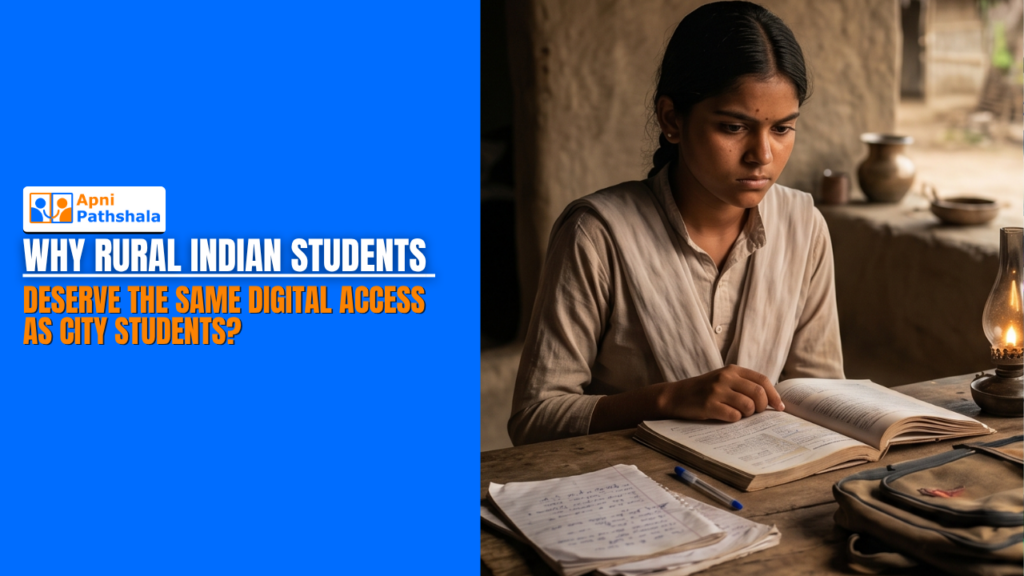
In a village school in Odisha, 14-year-old Lakshmi opens her science textbook to a chapter on the solar system. There is one black-and-white diagram. Her teacher does the best she can with chalk and a blackboard. That same week, a student in Bhubaneswar, just 80 kilometres away, watches a high-definition animated video of the planets orbiting the sun, completes an interactive quiz, and explores a 3D model of the solar system on a classroom computer. Same subject. Same age. Same state. Completely different education. This is the reality of digital access for rural students in India that has been ignored for too long, and the gap is not closing on its own.
The Digital Divide Is Not Just About the Internet, It Is About Opportunity
When people talk about the digital divide India’s education system faces, the conversation usually centres on internet connectivity. But connectivity is only one part of the problem. The deeper issue is opportunity. A rural student without a computer at home or school does not just miss out on watching educational videos. They miss out on learning how to type, how to research, how to create documents, how to take online exams, and how to navigate the digital tools that are now fundamental to every career and every college application.
This is not a future problem. It is a present crisis. CBSE board exams are moving digital. Government scholarship portals require online applications. Competitive exams, such as JEE and NEET, and banking and railway exams are all conducted on computers. A student who has never used a computer walks into these exams already at a disadvantage, regardless of how intelligent or hardworking they are.
According to UNICEF’s India education inequality research, the gap between urban and rural students in digital literacy and access to technology is among the widest in the world, and it directly affects employment outcomes, college admissions, and long-term income potential for millions of children.
What Rural Children Lose Without Computer Access
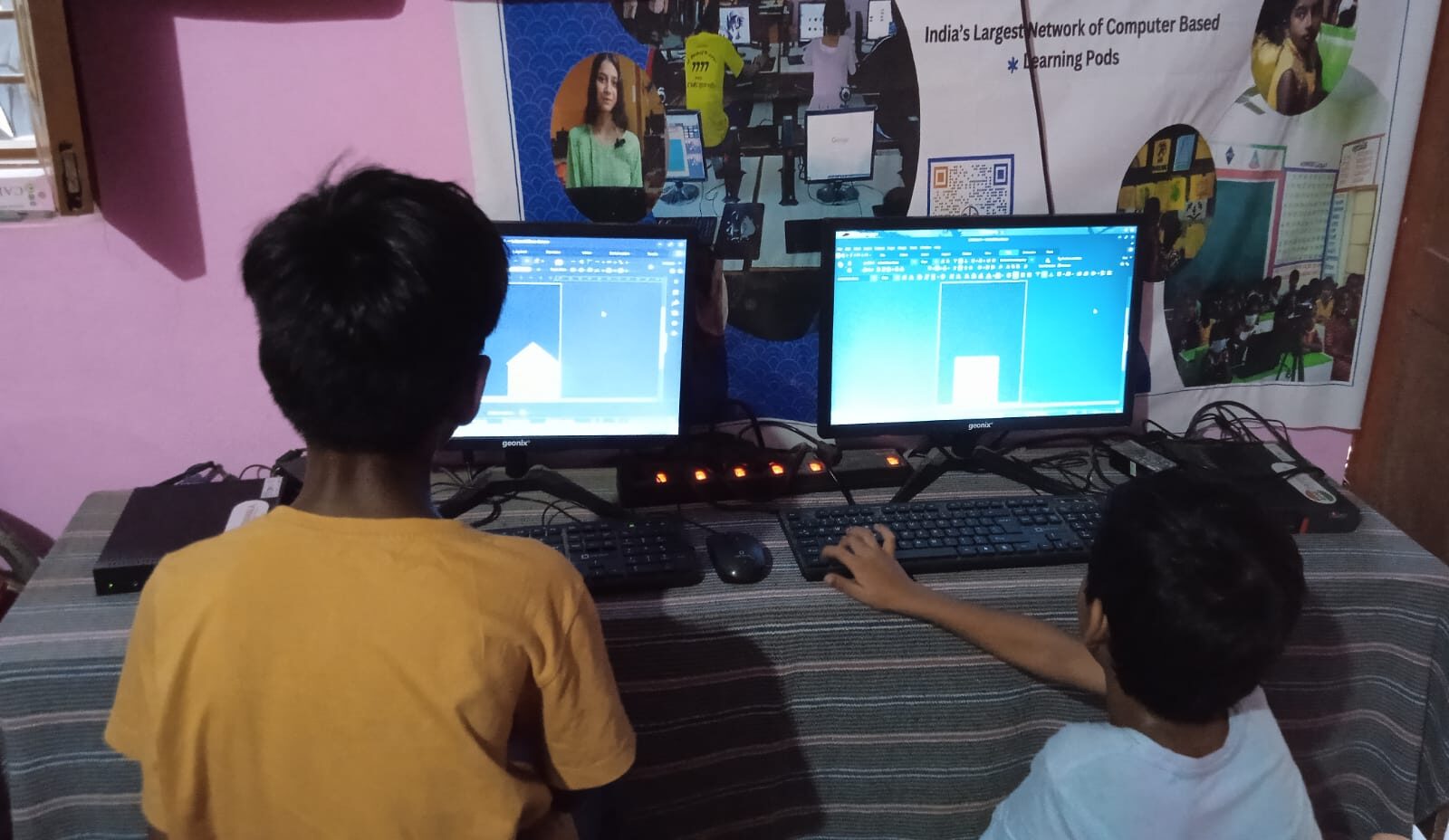
The impact of no rural children’s computer access goes far beyond missing a few online lessons. Here is what it actually costs them, in real, measurable terms:
- Lost practice time: A city student who uses a computer at home for 45 minutes daily practices typing, creates documents, explores educational platforms, and builds digital fluency naturally over the years. A rural student without a computer gets zero practice, and no amount of classroom theory can compensate for that hands-on experience.
- Locked out of free learning resources: India has world-class free educational content available online, such as DIKSHA, Khan Academy, e-Pathshala, and NPTEL. These resources cost nothing. But they require a device to access. A rural student without a computer is locked out of the country’s best free education, simply because they lack the right hardware.
- Competitive exam disadvantage: All major competitive exams in India are now computer-based. A student who has used a computer daily for years enters the exam hall with natural familiarity. A student encountering a computer for the first time during the exam spends precious minutes figuring out basic navigation, losing marks not because of knowledge, but because of access.
- College and career readiness gap: Colleges and employers expect basic digital competency, typing, email, document creation, and internet research. A student who has never used a computer regularly starts their professional life behind, and catching up takes years that their urban peers have already used to move ahead.
- Confidence erosion: When rural students see their urban peers effortlessly navigating technology, submitting polished assignments, creating presentations, and using digital tools with ease, the comparison is damaging. It does not reflect ability. It reflects access. But the child does not know the difference. They just feel less capable.
Read how Apna PC is designed to close this exact gap for rural communities on our How a Personal Computer Helps Students Learn Beyond the Curriculum page.
How Equal Access Becomes Possible, Starting With Apna PC
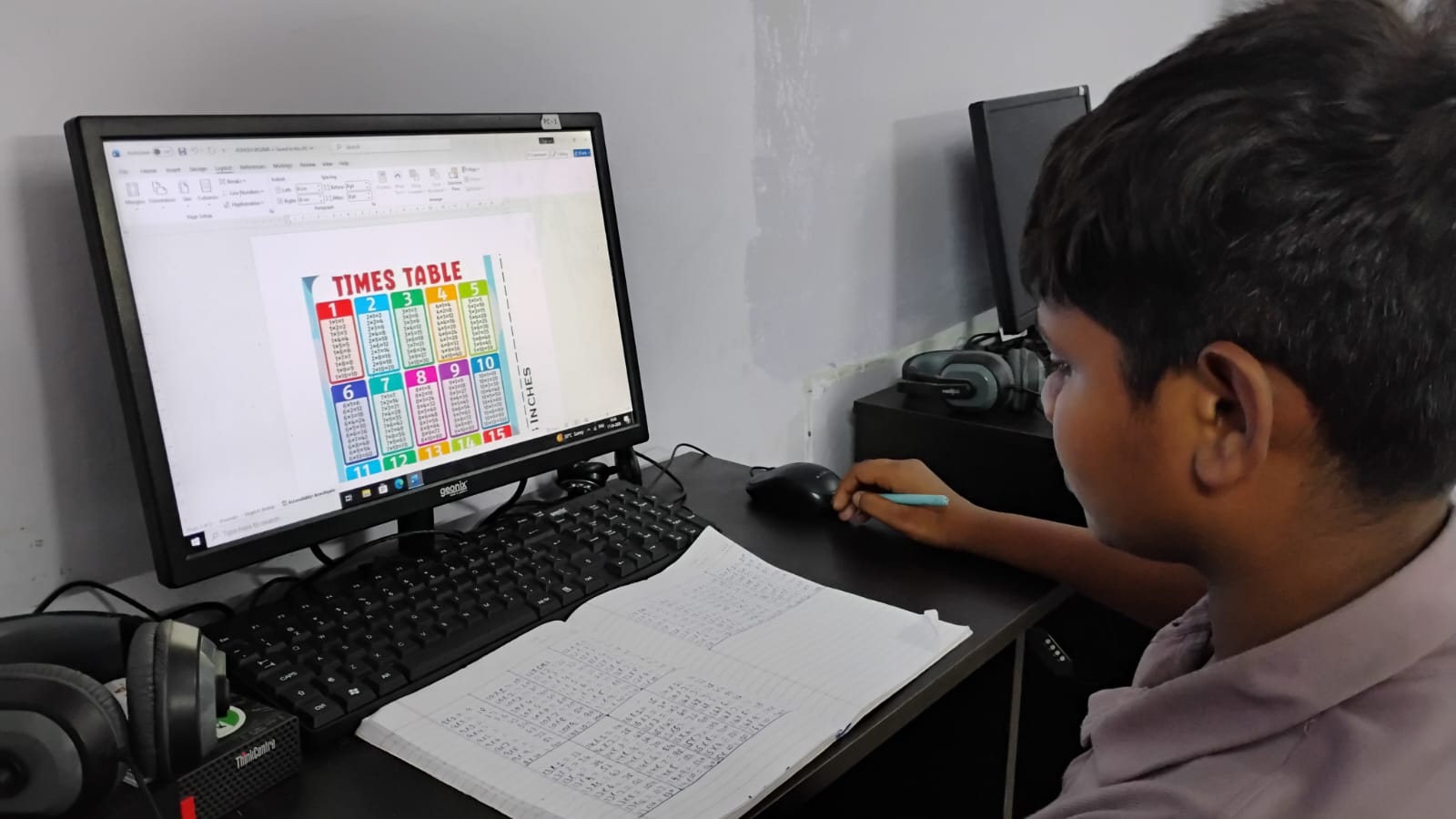
The path to equal education opportunity India deserves does not run through expensive government programmes or billion-dollar infrastructure projects alone. It runs through affordable, practical, ground-level solutions that families, schools, and NGOs can act on today, without waiting for policy changes.
Apna PC exists for exactly this reason. At Rs. 21,000 (shipping and GST excluded), it is the most accessible educational computer available for Indian students, purpose-built for the conditions of rural homes and schools:
- Works offline: Preloaded learning tools and curriculum-aligned content work without internet, critical in villages where connectivity is unreliable.
- No technical setup: Any teacher or parent can set it up in minutes. No IT knowledge required. No software to install. No configurations to manage.
- Safe browsing built in: Children can explore educational content without the risks of unfiltered internet access, giving parents and teachers confidence without constant monitoring.
- Scalable for schools: A rural school can build a functional computer lab with Apna PCs for a fraction of the cost of branded laptops, making digital classrooms financially feasible even on a small school budget.
India’s national education portal explicitly recognises the need for equitable digital access across all regions and communities, and Apna PC is a direct, affordable tool for turning that national vision into a classroom reality.
Explore the full learning experience Apna PC provides to students everywhere on our The Biggest Advantage a Student Can Have Today page.
A child’s zip code should not determine the quality of their education. Every student, whether they study in a high-rise in Mumbai or a government school in a village in Odisha, deserves the same access to the tools that define modern learning. Apna PC is making that possible, one device at a time. Visit apnapc.com to learn more.