

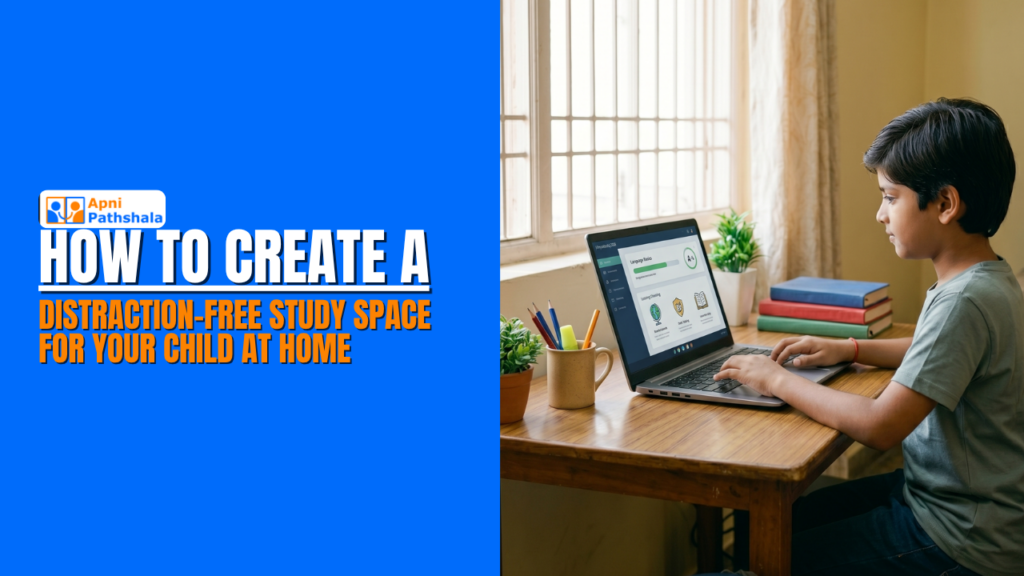
Arjun sits on his bed, a textbook open, earphones in, his phone buzzing beside him, his younger sister running around the room, and the TV playing in the next room. He “studies” for two hours. When his mother asks what he learned, he cannot recall a single thing. The problem is not Arjun’s ability. The problem is his environment. A distraction-free study space India homes desperately need is not about having a big house or expensive furniture. It is about intention, creating a small, dedicated corner where the brain knows it is time to focus, not scroll, not play, not wander.
Why a Dedicated Study Space Changes How Children Learn?
The brain is remarkably sensitive to context. Research shows that studying in the same environment consistently helps the brain associate that space with concentration and learning, making it easier to focus each time the child sits down. Conversely, studying on a bed, on the sofa, or at the dining table, places associated with rest, entertainment, or family chaos, sends the brain mixed signals about what it should be doing.
A proper home study setup for Indian families can be created without a separate room. A corner of the living room, a small desk near a window, or a dedicated table in a quiet hallway, any consistent, clutter-free spot works. The key is that the spot is used only for studying. Over time, simply sitting there triggers a focus response in the child’s brain.
According to UNICEF India’s research on learning environments, children who have a consistent, organised space for studying at home show higher levels of concentration, complete assignments faster, and report lower study-related stress than children who study in shared or chaotic spaces.
How to Create a Distraction-Free Study Space: Practical Steps
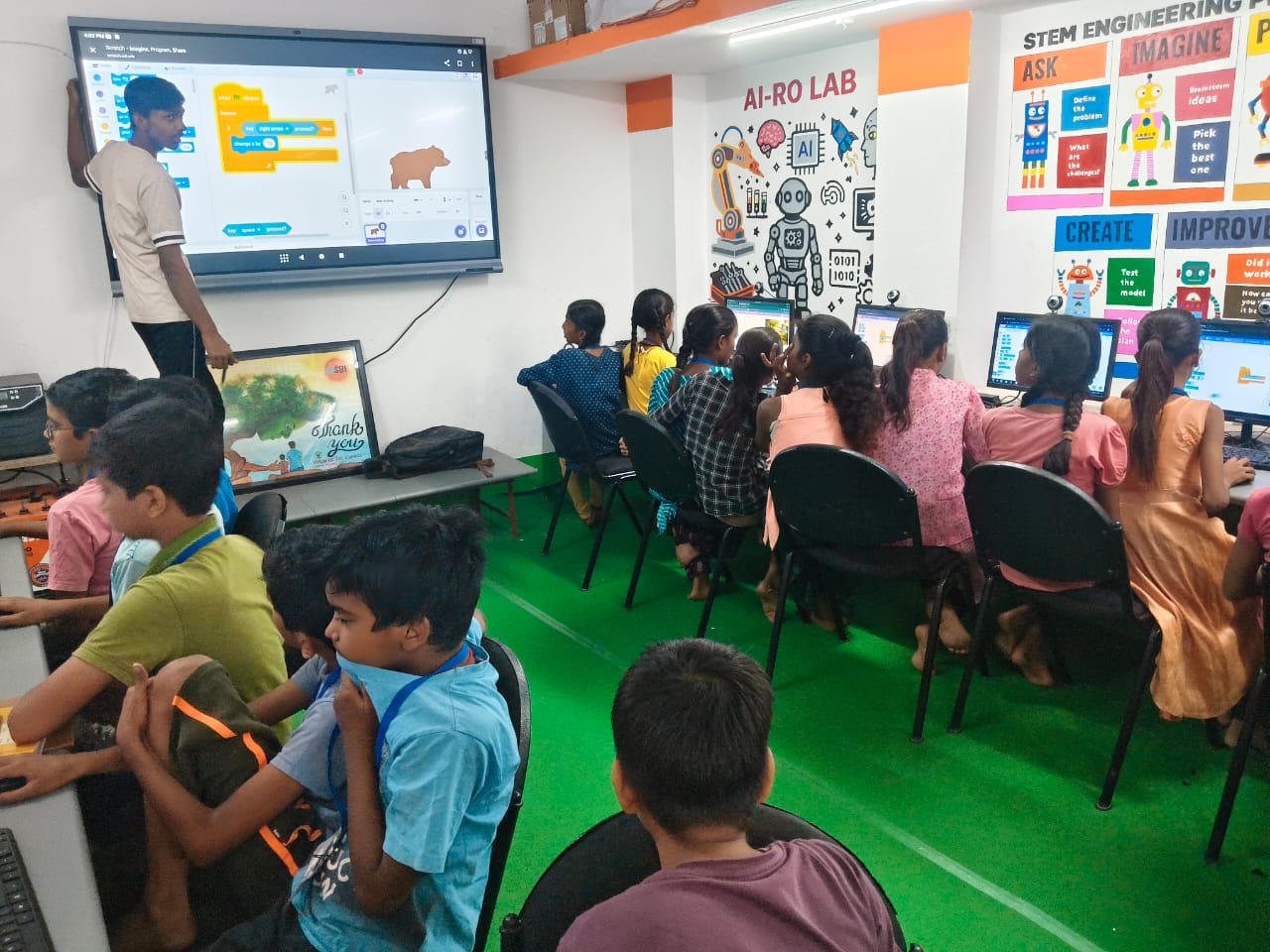
Here is exactly how any Indian family can set up an effective study space, regardless of home size or budget:
- Pick one consistent spot: It does not need to be large or fancy. A small table against a wall, a corner of a room with a chair, even a sturdy folding table. What matters is that this spot is always used for studying and nothing else. Consistency builds the brain’s focus association.
- Remove all non-study items: The study space should not have toys, game controllers, a television remote, or random household items. Every unnecessary object is a potential distraction. Keep only books, notebooks, a pen holder, and the learning device on the desk. A clean surface keeps the mind clear.
- Face a wall or window, not the room: A focus study environment that children benefit from most minimises visual distractions. Positioning the desk so the child faces a wall or a window, rather than the centre of the room or a TV, removes the temptation to look around and lose concentration.
- Keep the phone in another room: This one rule alone can transform study quality. The phone, even when silent, is the single biggest source of distraction for school children. If the child needs a device for learning, use a dedicated educational computer, such as Apna PC, instead. It provides access to learning platforms without the constant pull of notifications, social media, and messaging apps.
- Ensure good lighting and ventilation: A dimly lit, stuffy corner makes children drowsy and unfocused. Natural light is ideal; position the desk near a window if possible. At night, use a simple table lamp with white light. A well-lit, airy space keeps the brain alert and reduces eye strain.
- Set clear “study zone” rules for the family: When the child is in the study space, other family members should avoid interrupting, playing loud music, or watching TV at high volume nearby. These boundaries do not need to be rigid, just a shared understanding that study time is quiet time for the whole household.
Discover how Apna PC creates a distraction-free digital learning experience on our Why Every Indian Student Needs Their Own Computer page.
How the Right Device Completes the Study Environment
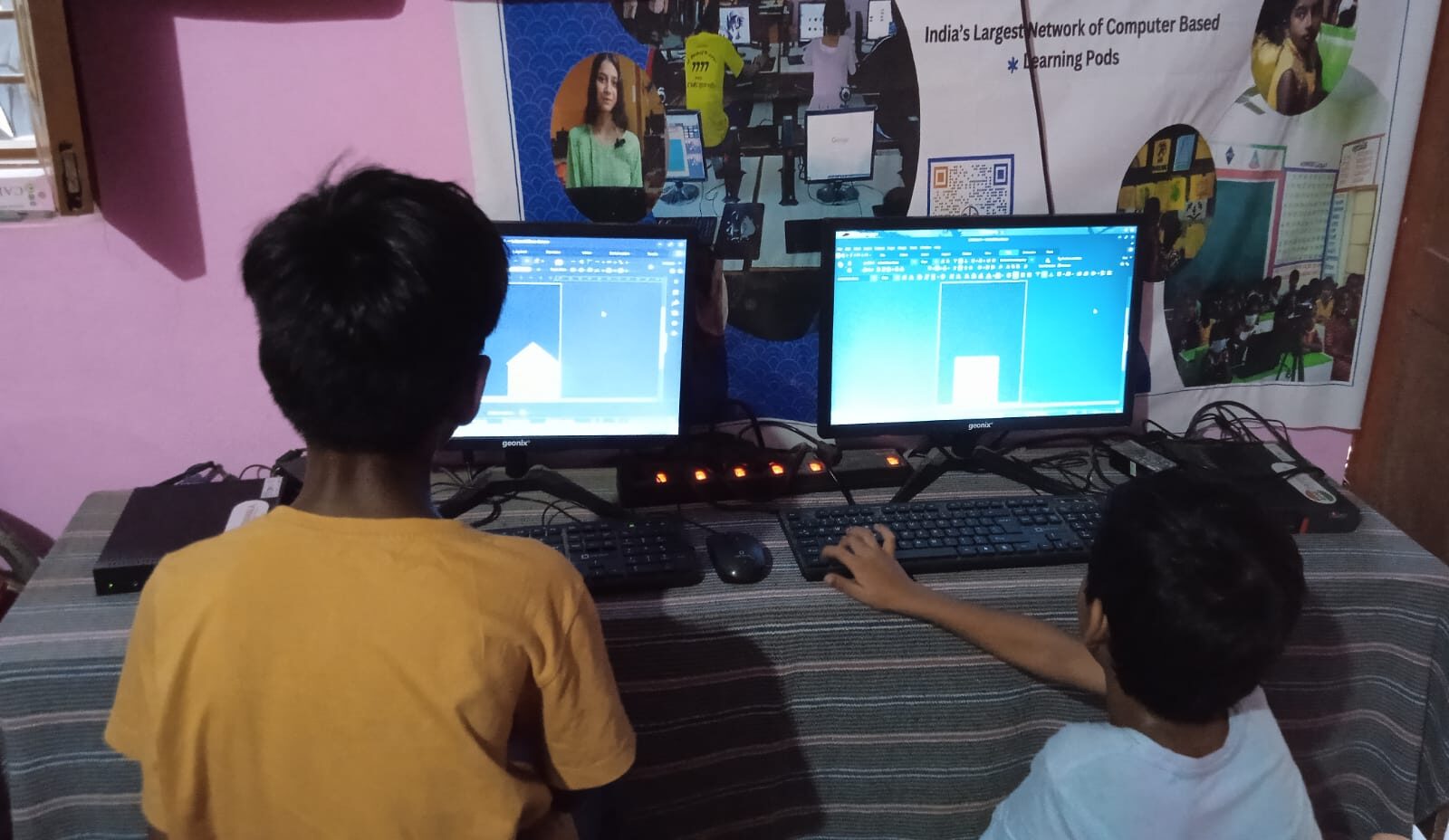
Creating a physical study space is only half the solution. The other half is ensuring that the device the child uses for learning does not undo all that effort. A smartphone with social media apps, a shared family laptop loaded with games, or a tablet buzzing with notifications, all of these turn a carefully created study corner into a digital distraction zone.
This is why the choice of device matters as much as the choice of desk. The best study corner for students India homes can build pairs a clean physical space with a clean digital tool. Apna PC is designed exactly for this purpose: a dedicated educational computer at Rs. 21,000 (shipping and GST excluded) that comes preloaded with learning tools, built-in safe browsing, and zero entertainment distractions. There are no social media apps to scroll, no games to open, and no notifications to pull the child away from their work.
When the physical environment is calm, and the digital environment is focused, children learn more in 45 minutes than they previously learned in two hours of distracted, interrupted studying. The combination is powerful, and it does not require expensive renovations or premium devices to achieve.
DIKSHA India’s national digital learning platform offers structured, curriculum-aligned content that works perfectly on a dedicated educational computer, giving students a focused learning experience without the noise of the open internet.
Read how Apna PC eliminates digital distractions and keeps students locked into learning on our The Biggest Advantage a Student Can Have Today page.
A distraction-free study space is not a luxury. It is one of the simplest, most impactful things a parent can create for their child, and it starts with a clean desk, a quiet corner, and the right device. Visit apnapc.com to learn more.