

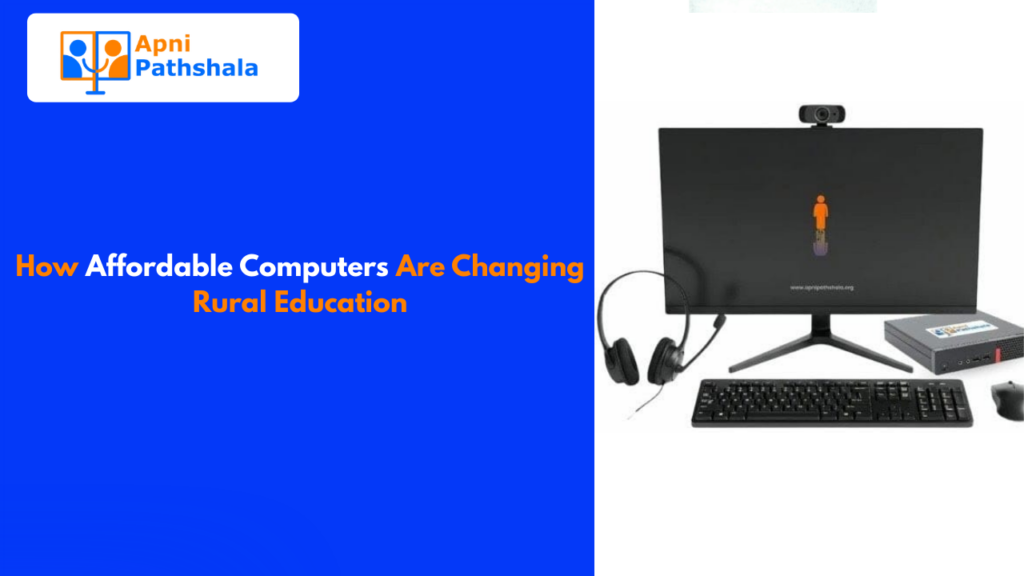
Sruthi’s father is a construction worker. Every month is a careful calculation of rent, food, school fees, and everything is accounted for. A computer wasn’t on the list. It couldn’t be.
Until it was.
When Sruthi, then in Class 9, got her first computer, it wasn’t a luxury purchase. It was a deliberate, difficult decision made because her family could see what was at stake. And that computer changed her educational trajectory in ways that are hard to overstate.
The Real Cost of Not Having a Computer
We talk a lot about the cost of buying a computer. We almost never talk about the cost of not having one.
For a student in a rural area without a personal device:
- Research means going to a library that may or may not be well-stocked
- Assignments are handwritten when peers are submitting typed, formatted work
- Digital skills, typing, spreadsheets, and presentations go unlearned until college or work, when it’s embarrassing to catch up
- Online resources, courses, and opportunities remain locked away
These aren’t small disadvantages. They compound over years of schooling.
Why Affordability Is the Whole Point
The most sophisticated computer in the world doesn’t help a student if it costs more than their family earns in three months.
Affordable doesn’t mean cheap. It means priced so that the families who need it most can actually get it. It means thoughtfully designed to deliver educational value without unnecessary extras that drive the price up.
In rural India, where per-capita incomes are significantly lower than in urban centers, affordability is the difference between a device that changes a family’s educational future and one that just sits on a wish list.
What Changes When Rural Students Get Computers
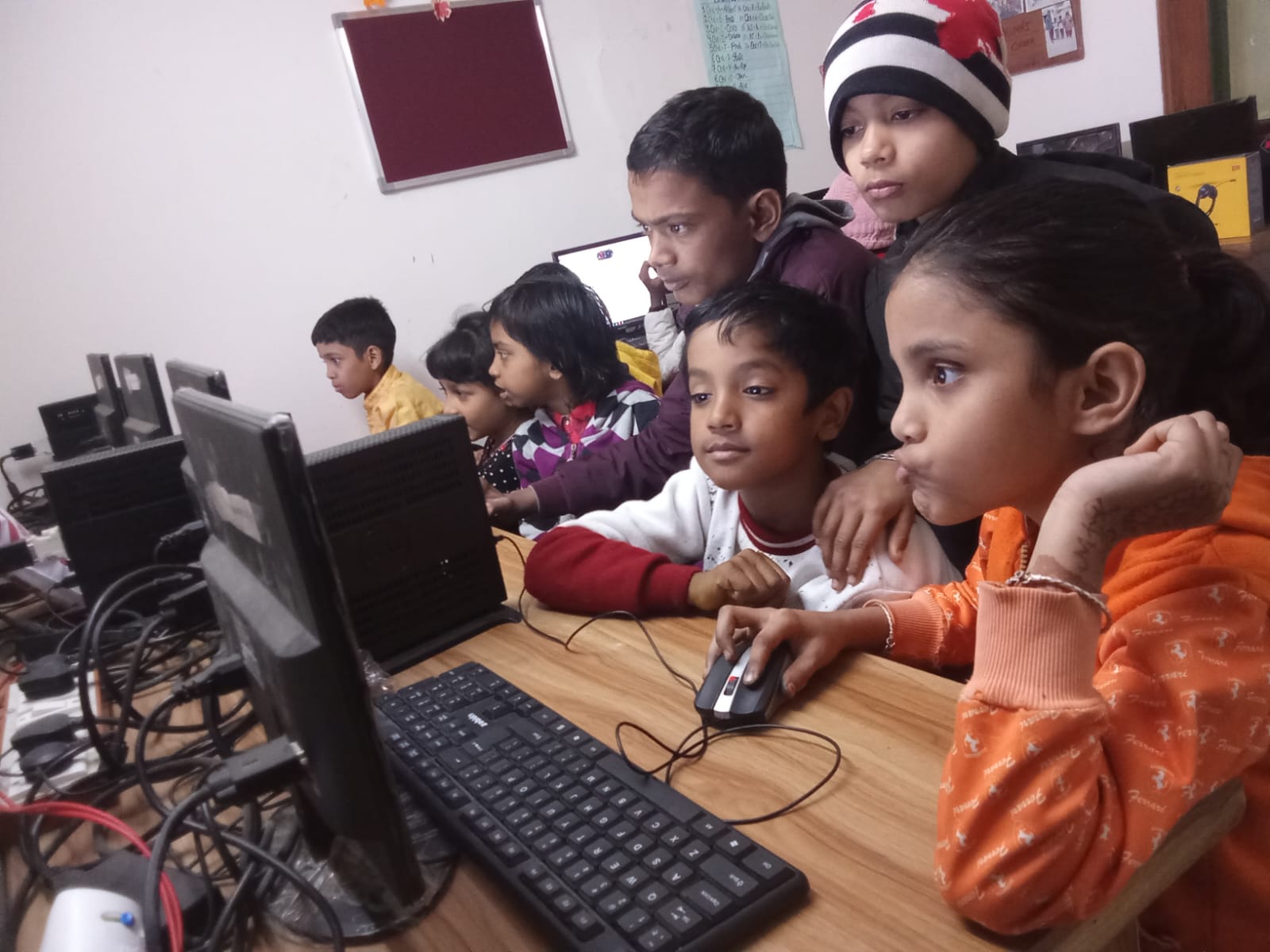
The transformation isn’t just academic. It’s social and economic.
Surendra Kumar Saini came from a family that didn’t have much. He learned digital skills. Now he runs his own e-Mitra shop, a digital services center that his entire community depends on. He became the person people in his village come to when they need help with government forms, documents, and online services.
One computer. One set of skills. And an entire community benefiting from it.
That’s the multiplier effect of rural digital access that doesn’t show up in any headline but is happening in villages and small towns all across India.
The Urban-Rural Gap in Digital Education
The National Education Policy 2020 explicitly acknowledges the digital divide as one of the biggest barriers to equitable education in India. Students in rural areas consistently have less access to digital tools, fewer digitally trained teachers, and limited connectivity compared to their urban peers.
But access to a personal, affordable computer at home can bridge part of that gap independently of what’s happening in school. The student who comes home to their own device with educational software already installed, with a structured learning environment, doesn’t have to wait for their school to catch up.
What Makes a Computer “Rural Ready”
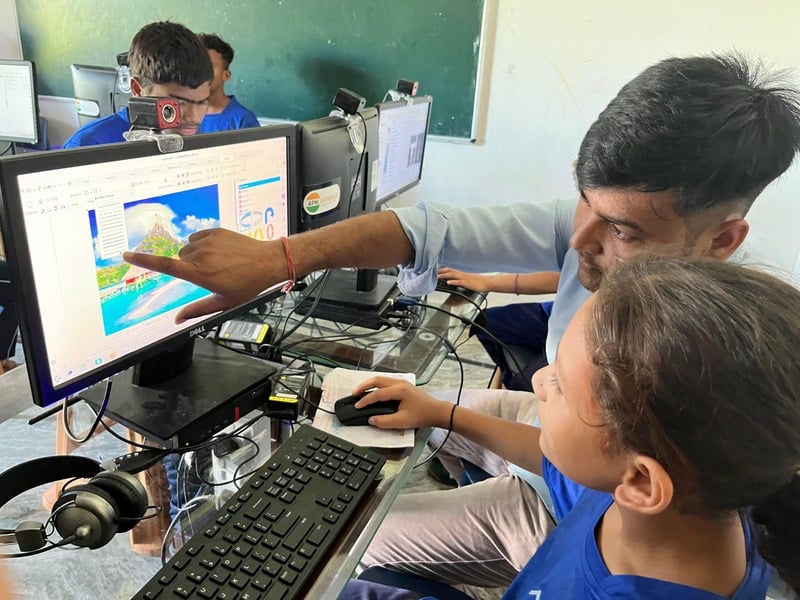
Not every affordable computer is the right computer. For a rural student, a few things matter more than specs:
- Works in variable power conditions, power cuts are real, and a device needs to handle them
- Doesn’t require constant internet; many educational tools should work offline
- Comes with educational software pre-loaded, setup shouldn’t require a tech expert
- Durable enough for a busy household with multiple kids and not a lot of extra space
- When something goes wrong, there should be help available
A computer that ticks these boxes is genuinely useful. One that doesn’t might frustrate the family and end up unused.
The Stories That Don’t Make the News
Sruthi is not a headline. Surendra is not a headline. But what’s happening to thousands of students across rural India as affordable computers reach more families is one of the most significant shifts in educational equity of our generation.
Quiet. Steady. Real.
A student with a computer doesn’t just learn more. They start to believe they can learn anything. And that belief is worth more than any single subject or skill.
Affordable computers for rural students aren’t charity. Their infrastructure as fundamental as a road or a school building. And we’re only beginning to understand their impact.
If you’re looking for an affordable, education-ready computer built for Indian families, Apna PC is designed with exactly that in mind.