

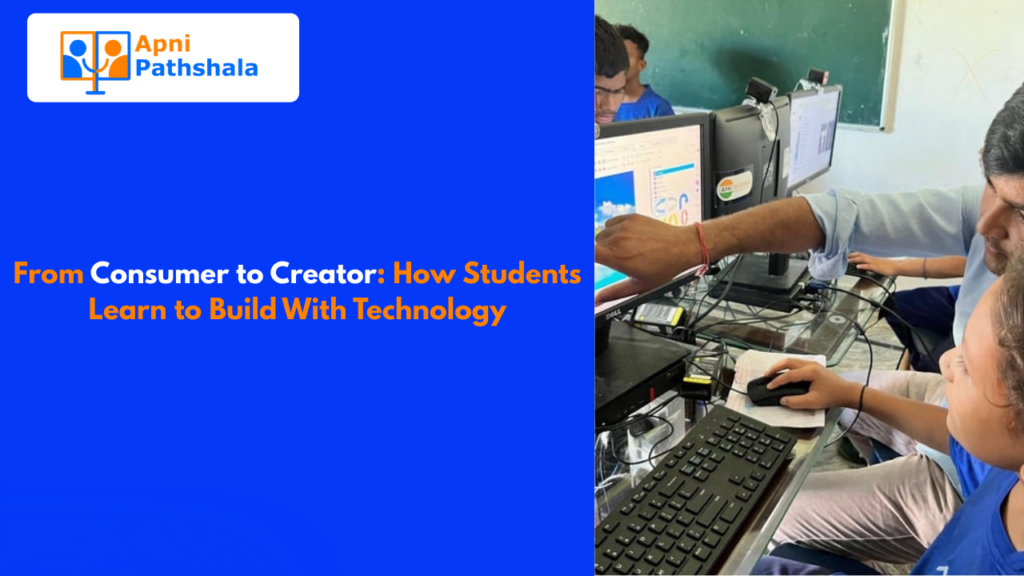
Devendra doesn’t talk about what he can’t do. He talks about what he’s made.
With a 90% hearing impairment, the world has been harder for him to navigate in ways most of us don’t think about. But when he got access to Canva and video editing tools, something clicked. He wasn’t just using technology anymore. He was building with it.
That shift from using to building is one of the most important things that can happen to a student.
Most Students Are Just Consumers
Think about how most students use a computer or phone.
They watch videos. They scroll through content. They send messages. They play games. All of that is consuming taking in what others have made.
There’s nothing wrong with consuming. We all do it. But a student who only consumes is missing out on the other half of what technology can do.
The students who go further the ones who end up interesting careers, who solve problems others can’t are almost always the ones who learned to build something with technology, not just use it.
What “Building” Actually Means
Building doesn’t mean coding (though it can). It means creating something that didn’t exist before.
- A presentation that actually communicates an idea clearly
- A video that explains a concept to someone else
- A spreadsheet that tracks and analyzes data
- A design a poster, a logo, an infographic
- A simple website or blog
- A written piece that’s been properly researched and formatted
All of these are acts of creation. They all require thinking, decision-making, problem-solving. They all produce something real.
Why Creating Teaches More Than Consuming
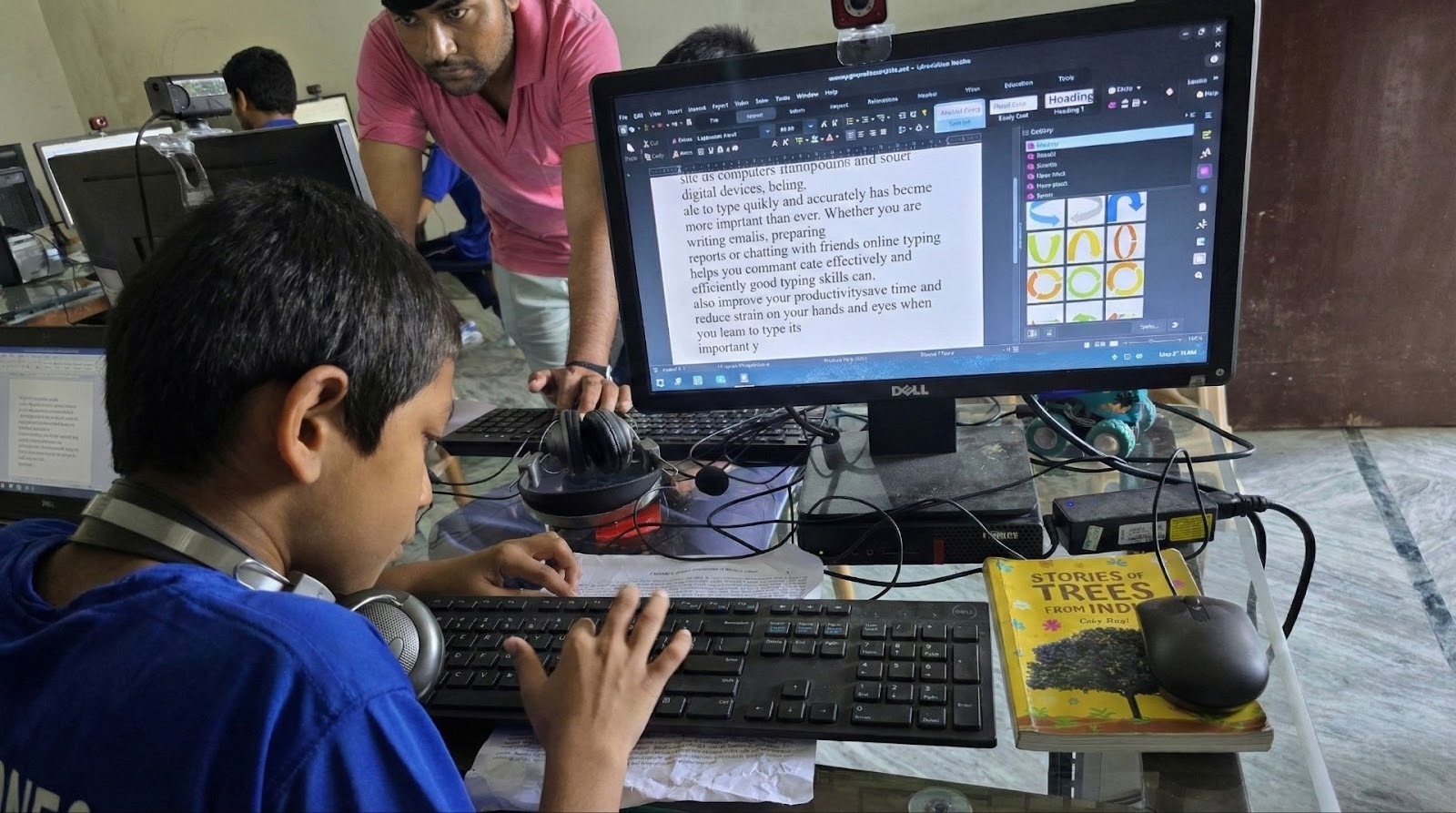
When you consume content, you take in information passively. When you create something, you have to organize that information, make decisions with it, and communicate it to someone else.
That process forces deeper understanding. You can’t make a video explaining photosynthesis if you don’t actually understand photosynthesis. You can’t design an infographic about water conservation without really thinking through what matters most.
Creation is the highest form of learning.
This is backed by decades of educational research. Bloom’s Taxonomy still one of the most widely used frameworks in education places “creating” at the very top of the learning hierarchy, above remembering, understanding, applying, analyzing, and evaluating.
When students build something, they’re working at the highest cognitive level available to them.
The Tools Are Already There
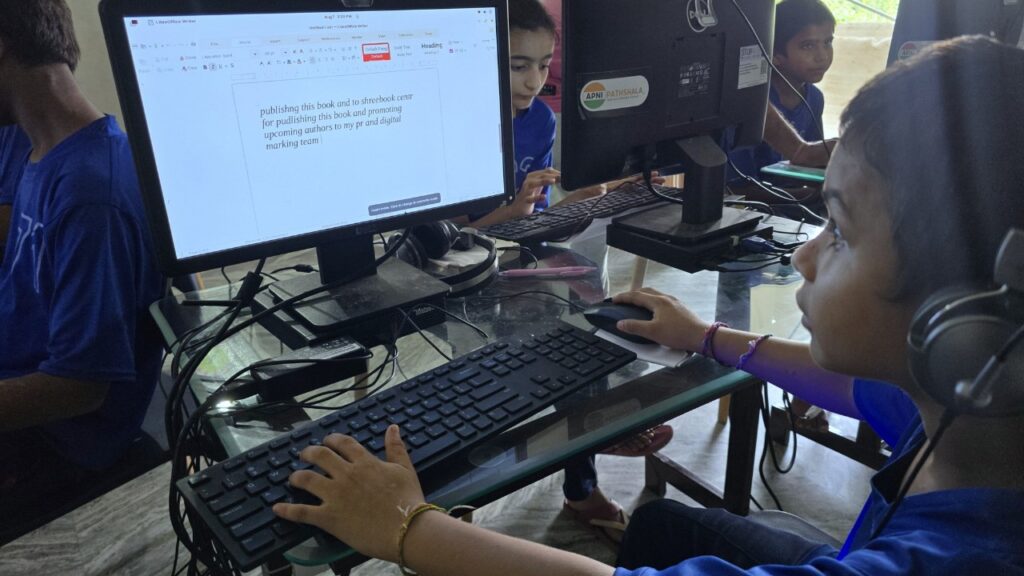
The good news? Students don’t need specialized equipment or expensive software to start creating.
Free tools like Canva let anyone design professional-looking graphics without a design degree. Google Docs, Slides, and Sheets give students a full productivity suite. Platforms like Scratch make coding accessible to younger students. YouTube has tutorials on everything from video editing to web development.
The tools are free. What’s missing, for most students, is time with a proper device to actually use them and an environment that encourages creation over consumption.
Haripriya’s Path
Haripriya K.S. is 16 years old, studying at ATMA Gurukulam in Thrissur. She didn’t wait to be taught everything. With access to the right tools, she started exploring on her own learning, experimenting, building skills that will stay with her long after school ends.
That kind of self-directed exploration only happens when a student has regular, private access to a computer. Not a 30-minute lab session. Real access, at home, with time to try things.
How to Encourage the Shift
If you want a student to move from consumer to creator, a few things help:
- Ask them to make something instead of just learn something “explain this topic as if you’re teaching me” changes the game
- Give them creative projects design a poster, make a short video, build a basic spreadsheet
- Let them fail creation requires iteration, and the willingness to try again
- Show them what’s possible students rise to what they see modeled around them
The shift doesn’t happen overnight. But once it starts, it doesn’t stop.
What’s at Stake
The economy increasingly rewards people who can build things with technology. Not just use it. Build with it.
Graphic designers, content creators, data analysts, developers, video editors, digital marketers these are the careers of the next decade. And they all start with one student deciding to make something instead of just watch something.
Give your student the tools and environment to become a creator, not just a user. Apna PC is built exactly for that.