

Education has always focused on teaching students how to read, write, and solve problems. These foundational skills remain important, but in today’s digital world another skill has become equally essential digital literacy.
Digital skills are no longer optional. They are becoming a basic requirement for students to succeed in education, careers, and everyday life.
A personal computer plays a crucial role in helping students develop these skills from an early stage.
Understanding the Digital World
Technology surrounds us everywhere in schools, workplaces, businesses, and communication platforms. Students who are familiar with digital tools find it easier to adapt to these environments.
By using a personal computer, students learn how to navigate digital platforms, access information online, and interact with technology confidently.
This familiarity prepares them for the modern world.
Learning How to Find and Use Information
The internet contains an enormous amount of information. However, simply having access to information is not enough. Students must learn how to search effectively, evaluate sources, and use the information responsibly.
With a personal computer, students can practice research skills that help them understand how to gather knowledge from reliable sources.
These research abilities are valuable not only in education but also in professional environments.
Developing Communication Skills
Digital communication is now a major part of everyday life. Emails, presentations, reports, and online collaboration tools are widely used in both academic and professional settings.
Students who regularly use computers learn how to:
- Write professional emails
- Create presentations
- Prepare digital documents
- Communicate effectively online
These skills improve both academic performance and professional readiness.
Encouraging Creativity and Innovation
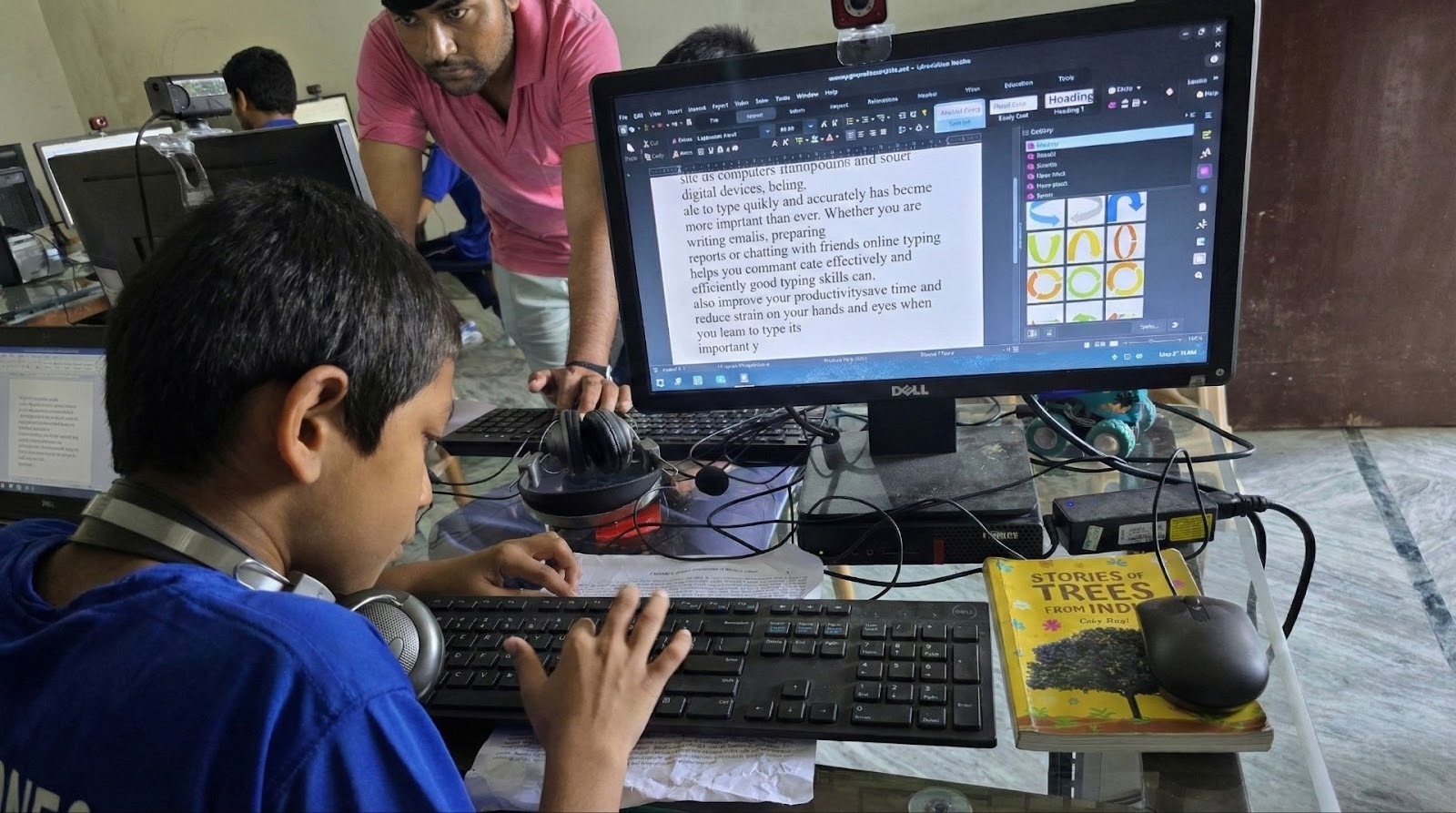
Technology allows students to move beyond traditional learning methods. Instead of only reading or writing, students can create and experiment.
A personal computer enables them to:
- Design visual presentations
- Edit videos and images
- Write blogs or articles
- Create digital projects
Creative digital activities encourage students to think innovatively and express their ideas more effectively.
Preparing Students for Future Careers
Almost every modern career requires digital knowledge. Whether a student wants to become a doctor, engineer, designer, entrepreneur, or teacher, digital tools will be a part of their work environment.
Students who develop digital skills early are better prepared to adapt to technological advancements and future job markets.
Building Confidence with Technology
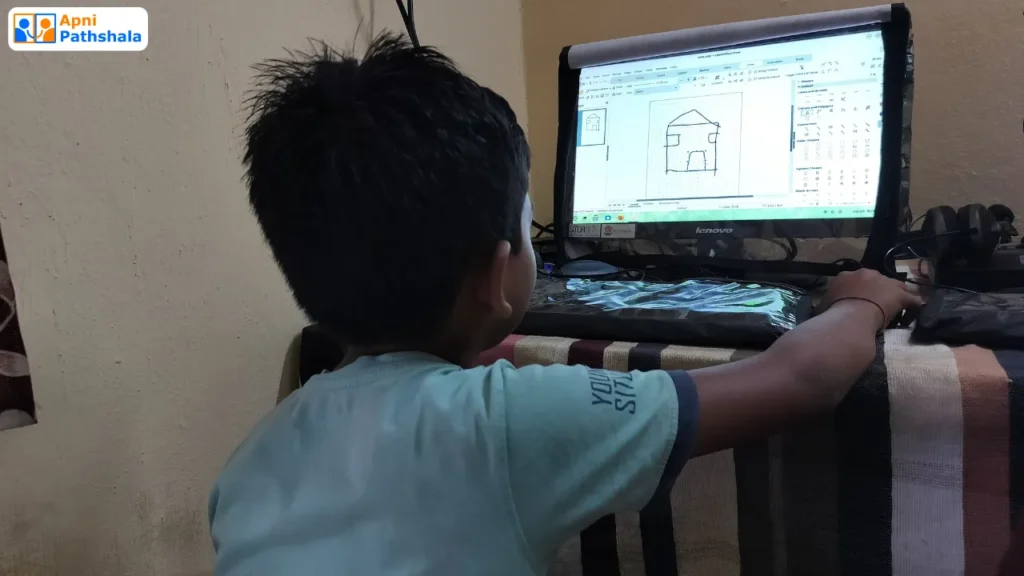
For many students, the biggest barrier to technology is simply lack of exposure. When students regularly use computers, they become comfortable experimenting with new tools and learning new systems.
This confidence helps them approach technology with curiosity rather than fear.
Bridging the Digital Gap
Despite the growing importance of digital skills, many students still lack access to personal computers. This digital gap can limit learning opportunities and create inequality in education.
Initiatives like Apna PC aim to reduce this gap by providing students with the digital tools they need to learn, explore, and grow.
Access to technology ensures that every student has the opportunity to develop essential digital skills.
Conclusion
In today’s rapidly evolving world, digital literacy is becoming as important as traditional academic skills. Students who understand technology are better prepared to learn, communicate, and innovate.
A personal computer is more than a device it is a gateway to knowledge, creativity, and opportunity.
By giving students access to technology, we help them build the skills they need to succeed in the future.