

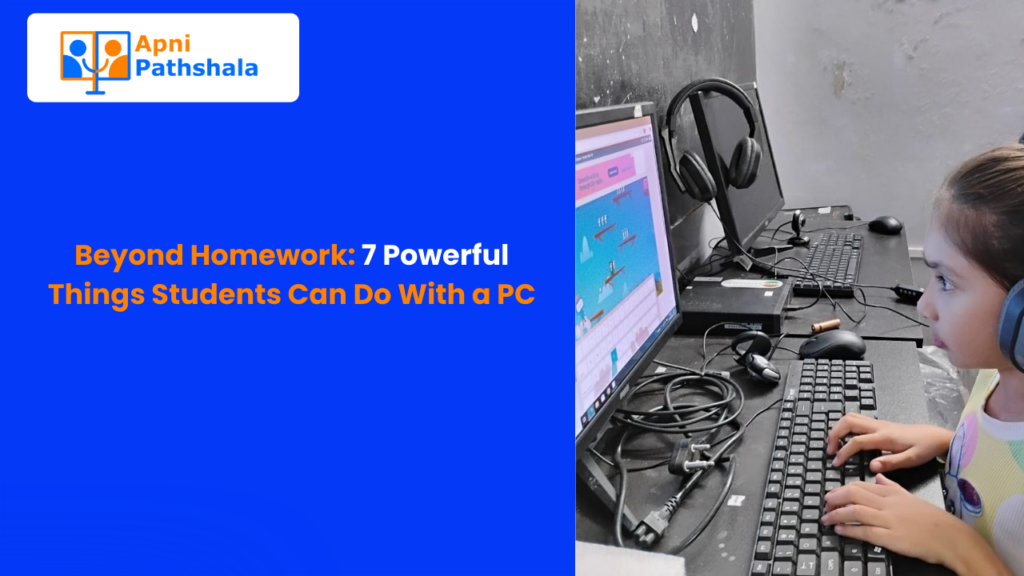
A personal computer is often seen as a device for homework, assignments, and online classes. But its true potential goes far beyond that.
When students have access to their own PC, they gain a powerful tool for creativity, skill-building, and future readiness. It becomes more than a study device it becomes a platform for opportunity.
Here are seven powerful things students can do with a personal computer beyond homework.
1. Learn Coding and Build Digital Skills
Coding is one of the most valuable skills in today’s world. With a personal computer, students can:
- Learn basic programming
- Build simple websites
- Create small apps
- Explore robotics and automation
Even starting with beginner-friendly platforms builds logical thinking and problem-solving skills.
2. Create Digital Content
Students can use a PC to:
- Write blogs or stories
- Design posters and presentations
- Edit videos
- Create digital art
- Record educational content
Creative expression strengthens communication skills and confidence.
3. Build a Personal Portfolio
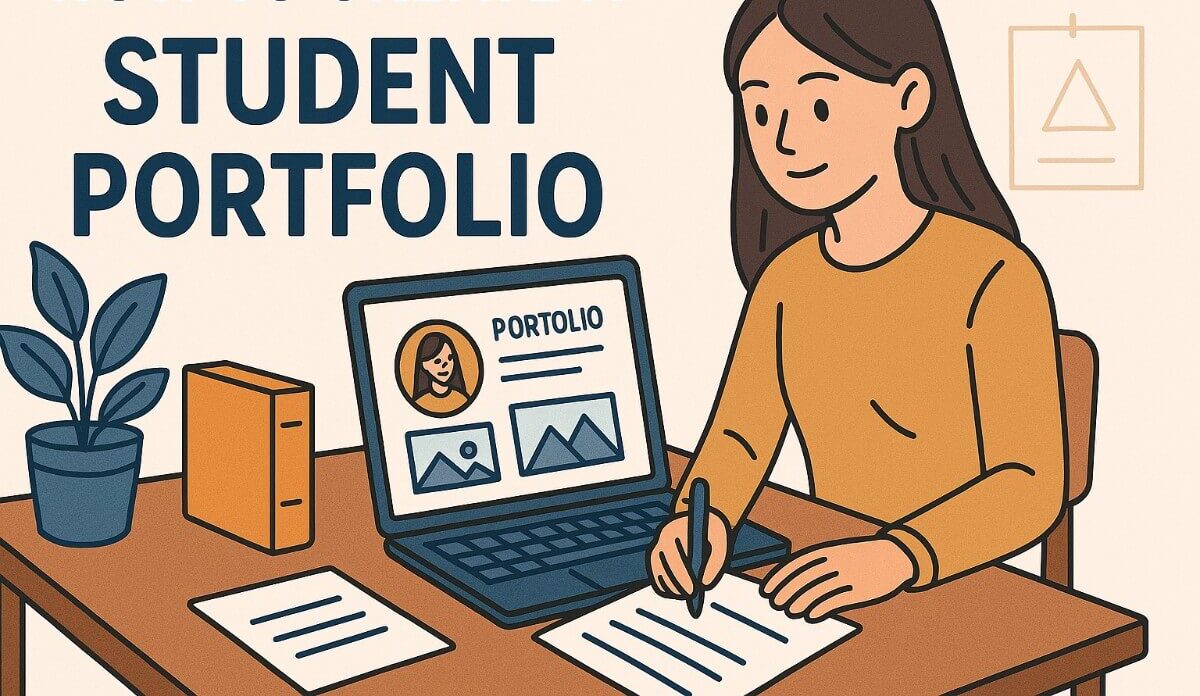
A PC allows students to start building a digital portfolio early.
They can:
- Save projects
- Document achievements
- Showcase skills
- Create resumes
- Build simple websites about themselves
A portfolio prepares students for future academic and career opportunities.
4. Explore Career Paths Early
With digital access, students can:
- Research different professions
- Watch career guidance videos
- Learn about skill requirements
- Attend virtual workshops
Exposure broadens ambition and clarity about future goals.
5. Participate in Online Competitions
Students can take part in:
- Coding contests
- Quiz competitions
- Scholarship exams
- Creative challenges
- Innovation programs
Participation builds experience and self-confidence.
6. Develop Financial Awareness
Older students can use their PC to:
- Learn basic financial literacy
- Understand budgeting
- Explore entrepreneurship concepts
- Learn about digital freelancing opportunities
This early exposure encourages responsibility and independence.
7. Practice Self-Learning
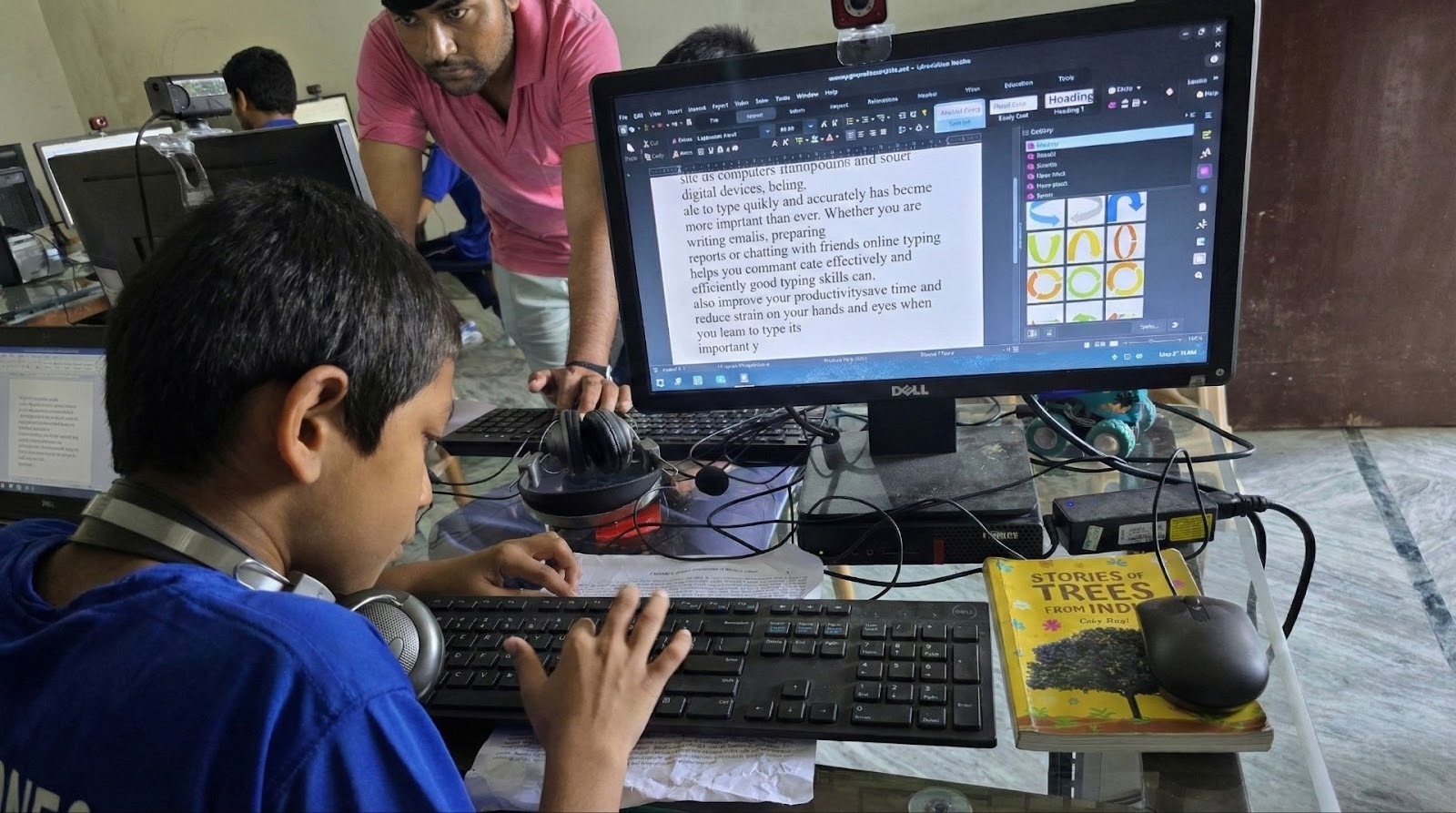
A personal computer supports independent learning.
Students can:
- Watch educational tutorials
- Practice typing
- Improve language skills
- Learn graphic design basics
- Study advanced topics beyond school syllabus
Self-learning builds discipline and curiosity.
The Bigger Impact of Digital Access
When students have consistent access to a personal computer:
- They think independently
- They experiment confidently
- They explore opportunities
- They build future-ready skills
Digital access is not just about completing assignments it is about unlocking potential.
The Role of Apna PC
Initiatives like Apna PC make this transformation possible. By providing students with personal computers, they open doors to growth, creativity, and skill development.
A personal computer becomes:
- A learning lab
- A creative studio
- A career exploration tool
- A confidence builder
Access changes perspective.
Conclusion
Homework is just the beginning. The real power of a personal computer lies in what students can create, explore, and achieve beyond classroom requirements.
When students move from completing tasks to building skills, they prepare themselves for a digital future full of opportunity.
Because with the right access, a PC becomes more than a device it becomes a gateway to possibility.