


In today’s fast-moving world, we often measure digital progress by speed faster internet, faster devices, faster downloads. But when it comes to education, speed is not the most important factor.
What truly shapes a student’s future is digital confidence.
A student who feels confident using technology will learn, explore, and grow even on a basic device. But a student with the fastest internet and no confidence may hesitate, avoid challenges, and miss opportunities.
Digital confidence matters more than digital speed.
What Is Digital Confidence?
Digital confidence is the ability to:
- Use technology without fear
- Try new tools and platforms
- Solve technical problems independently
- Learn new skills through digital resources
- Adapt to changing technology
It is not about how fast a device runs. It is about how comfortable a student feels using it.
Speed Without Confidence Leads to Hesitation
Many students have access to high-speed internet but still feel unsure when:
- Submitting online assignments
- Creating presentations
- Joining virtual classes
- Using new software
Why? Because confidence comes from experience and practice not just connectivity.
Without confidence, even the best tools remain underused.
Confidence Encourages Exploration
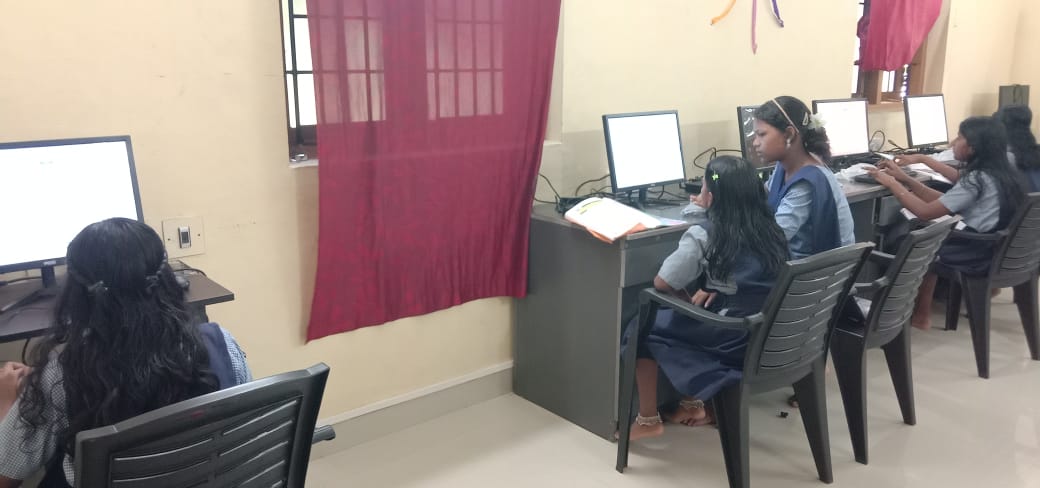
A digitally confident student will:
- Experiment with new learning apps
- Try basic coding
- Research topics deeply
- Create digital projects
- Fix small technical issues independently
They are not afraid of making mistakes.
Confidence turns technology into an opportunity instead of an obstacle.
Confidence Builds Independence
When students feel confident using a personal computer, they rely less on constant supervision.
They begin to:
- Manage their own assignments
- Organize digital files
- Explore beyond the school curriculum
- Learn at their own pace
This independence strengthens responsibility and maturity.
Reducing the Fear of “Doing It Wrong”
One of the biggest barriers in digital learning is fear.
Students may worry:
- What if I click the wrong button?
- What if I delete something?
- What if I cannot fix the problem?
Regular access to a personal computer reduces this fear. Over time, technology becomes familiar, not intimidating.
Confidence replaces hesitation.
Confidence Prepares Students for the Future
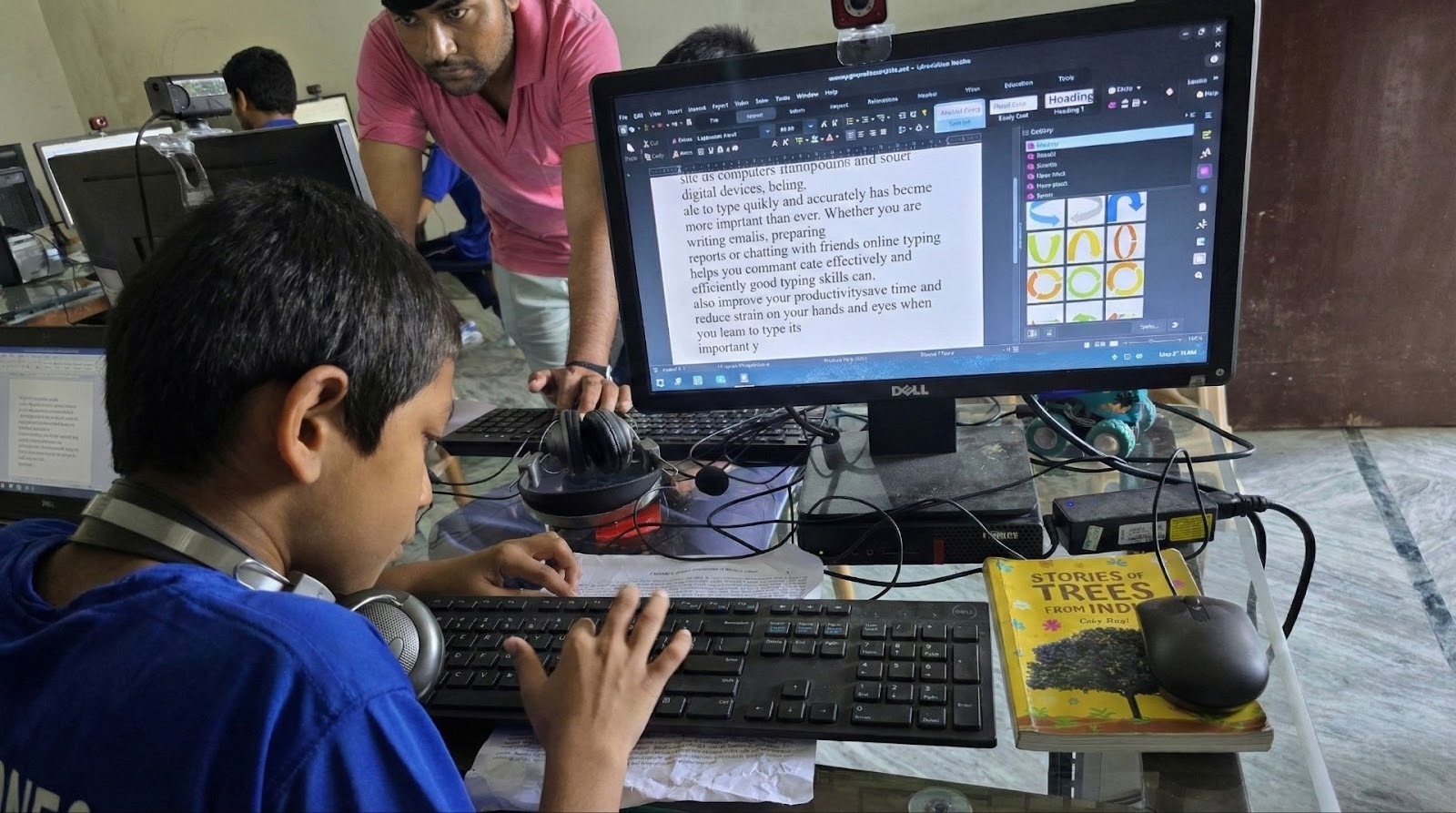
In modern careers, adaptability is more important than speed.
Technology keeps evolving. New tools appear every year. A confident student can:
- Learn new platforms quickly
- Adjust to digital work environments
- Communicate online effectively
- Embrace innovation
Speed may impress temporarily. Confidence sustains long-term growth.
Digital Confidence and Equal Opportunity
Students from underserved communities often lack exposure to technology. Even if they later gain access, they may feel behind compared to others.
Providing consistent access through initiatives like Apna PC helps build comfort and familiarity.
Over time, students develop:
- Self-belief
- Technical comfort
- Strong digital habits
Confidence levels the playing field.
How Parents and Educators Can Build Digital Confidence
Building confidence does not require expensive tools. It requires guidance and encouragement.
Support students by:
- Allowing them to explore independently
- Encouraging small creative projects
- Celebrating digital achievements
- Teaching problem-solving instead of fixing everything for them
Confidence grows through practice.
The Role of Apna PC in Building Digital Confidence
Access is the first step toward confidence.
When students have a personal computer:
- They practice regularly
- They make mistakes and learn
- They become comfortable with technology
- They develop trust in their own abilities
Digital access builds digital confidence.
Digital confidence builds future success.
Conclusion
Digital speed may improve performance, but digital confidence transforms mindset.
A confident student is curious, independent, and resilient. They are not limited by fear or hesitation. They see technology as a tool for growth.
In education, the goal is not just faster systems it is stronger, more confident learners.
Because in the digital age, confidence is the real advantage.