

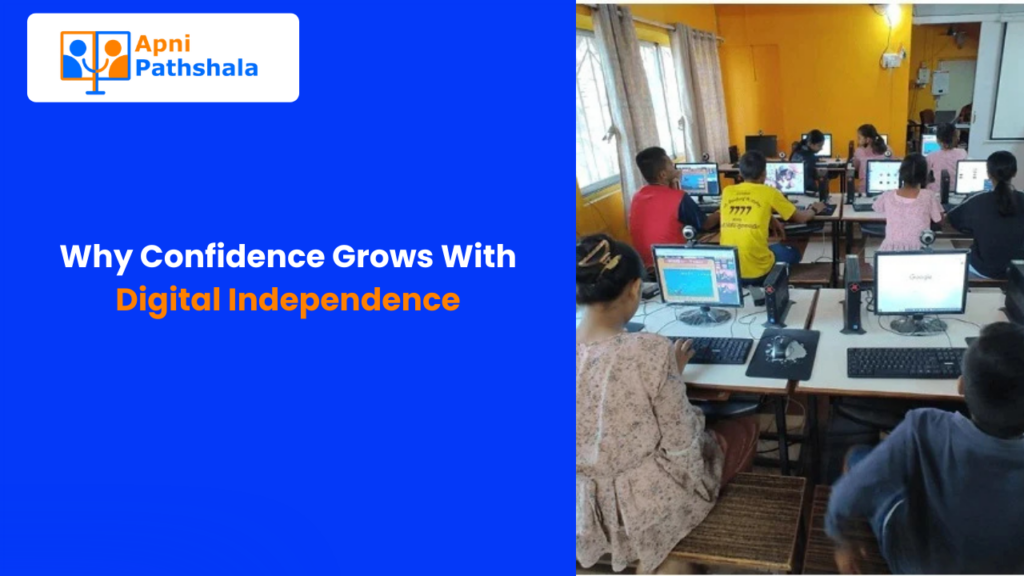
Confidence is built through experience. When students are given the right tools, space, and opportunities to learn independently, they begin to believe in themselves. In today’s digital world, one of the most powerful tools for building that confidence is digital independence.
Digital independence means having personal access to technology especially a personal computer and knowing how to use it effectively. When students are digitally independent, they are not just learning. They are growing.
What Is Digital Independence?
Digital independence is the ability to:
- Access learning resources without limitations
- Complete assignments independently
- Explore new skills online
- Use technology responsibly
- Solve problems without constant assistance
It goes beyond owning a device. It is about empowerment.
From Dependence to Self-Belief
Many students rely on shared devices or borrowed phones. This often limits their learning time and reduces their confidence.
When a student has personal access to a computer:
- They can practice freely
- They can make mistakes and learn from them
- They can explore beyond classroom material
- They feel ownership over their learning
Ownership builds belief. Belief builds confidence.
Confidence Through Skill Development
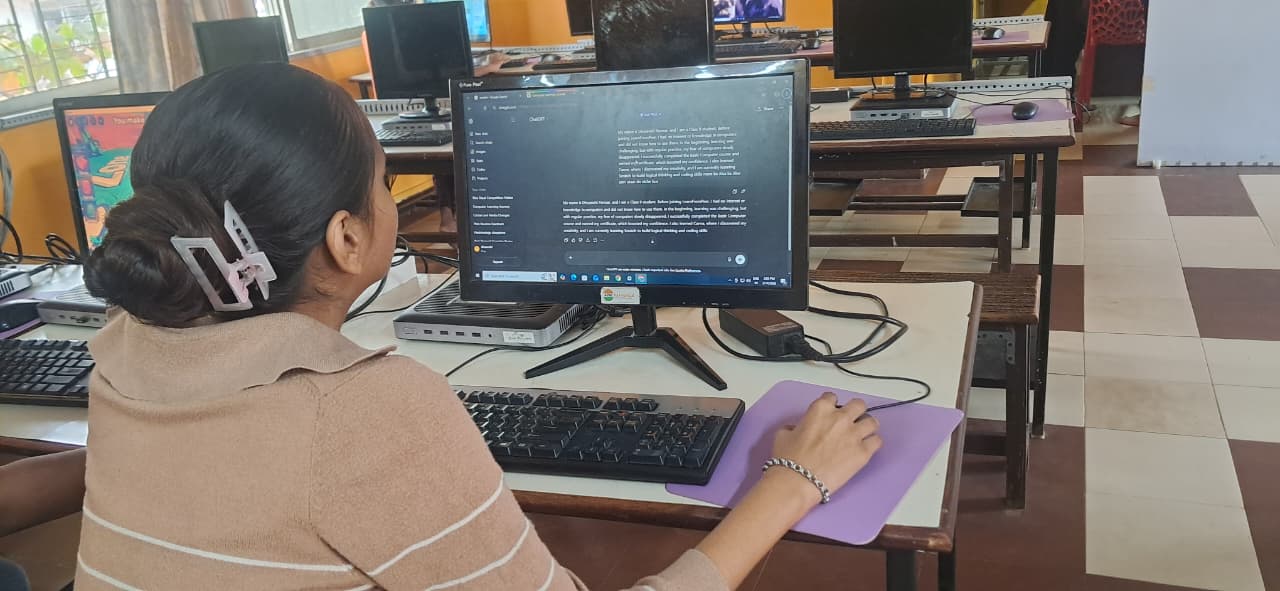
Digital access allows students to develop real-world skills such as:
- Typing and document creation
- Research and analysis
- Coding basics
- Presentation skills
- Online communication
As students improve these skills, they begin to see their progress. Progress leads to self-assurance.
Encouraging Independent Learning
A personal computer creates space for self-directed learning. Students can:
- Watch tutorials
- Practice coding
- Explore creative tools
- Research topics deeply
- Learn at their own pace
When students solve problems independently, they feel capable and empowered.
Reducing the Fear of Technology
Without exposure, technology can feel intimidating. Students who lack access often feel behind or unsure in digital environments.
Digital independence:
- Reduces hesitation
- Builds comfort with technology
- Encourages experimentation
- Develops adaptability
Confidence grows when fear decreases.
Preparing for a Digital Future
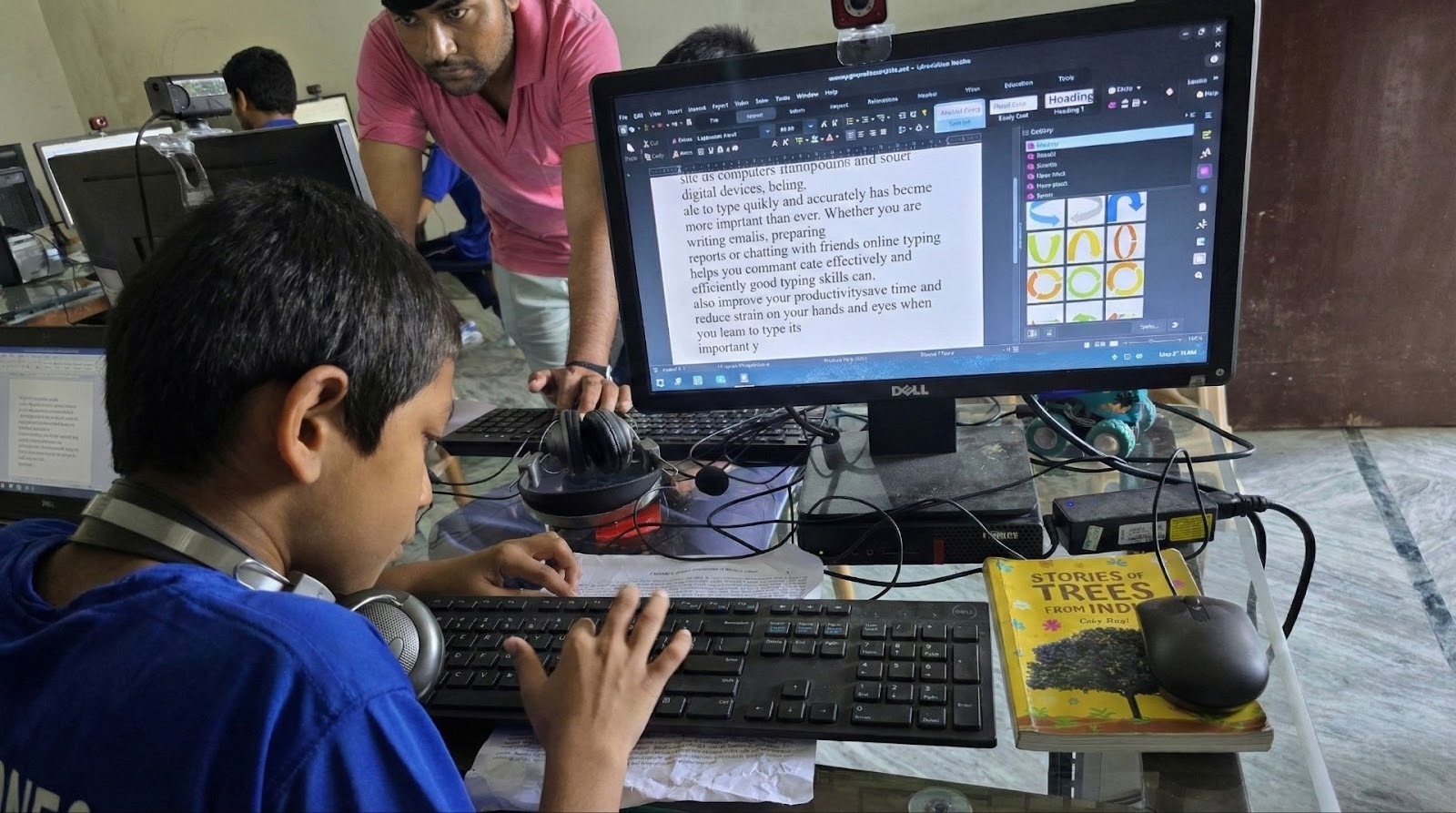
The future belongs to those who are digitally skilled. Early independence helps students:
- Adapt to modern workplaces
- Handle online tasks confidently
- Compete equally in digital spaces
Confidence today becomes opportunity tomorrow.
The Emotional Impact of Access
When students receive personal access to a computer, something powerful happens. They feel:
- Trusted
- Valued
- Empowered
- Included
This emotional boost often reflects in their academic performance and personal growth.
Digital independence is not just technical it is transformational.
How Apna PC Supports Digital Confidence
By providing personal computers to students, initiatives like Apna PC do more than distribute devices. They create opportunity.
Digital access through Apna PC:
- Bridges the digital divide
- Encourages independent learning
- Builds future-ready skills
- Strengthens student confidence
When students have the right tools, they stop feeling left behind and start moving forward.
Conclusion
Confidence grows when students are given the freedom to explore, learn, and create independently. Digital independence provides that freedom.
A personal computer is not just a device it is a gateway to self-belief, growth, and opportunity. When students become digitally independent, they gain more than technical skills. They gain confidence that lasts a lifetime.
Because when students feel capable, they become unstoppable.