

Artificial Intelligence (AI) is no longer a concept from science fiction it is becoming a powerful force in classrooms around the world. From personalized learning apps to smart tutoring systems, AI is transforming how students learn and how teachers teach. As education evolves, AI is playing a key role in making learning more accessible, efficient, and personalized.
The future of education is not about replacing teachers with machines. It is about using AI as a supportive tool that enhances learning experiences for everyone.
1. Personalized Learning for Every Student
One of the biggest advantages of AI in education is personalization. Every student learns at a different pace and in a different way. Traditional classrooms often follow a fixed structure, which may not suit everyone.
AI-powered platforms can:
- Track a student’s progress
- Identify strengths and weaknesses
- Adjust difficulty levels automatically
- Suggest customized practice exercises
This ensures that students receive support tailored to their needs.
2. Smart Tutoring and Instant Feedback
AI tutors are becoming increasingly common. These systems provide instant feedback, allowing students to correct mistakes immediately instead of waiting for teacher review.
Benefits include:
- Faster understanding of concepts
- Improved problem-solving skills
- More confidence through immediate guidance
Quick feedback helps students learn more efficiently and independently.
3. Enhanced Accessibility and Inclusion
AI is making education more inclusive for students with diverse needs. Features like speech-to-text, text-to-speech, and real-time translation help students overcome learning barriers.
For example:
- Students with visual impairments can listen to content
- Students with language challenges can access translations
- Students with learning difficulties can receive adaptive support
AI ensures that learning opportunities are available to a wider range of students.
4. Automating Administrative Tasks
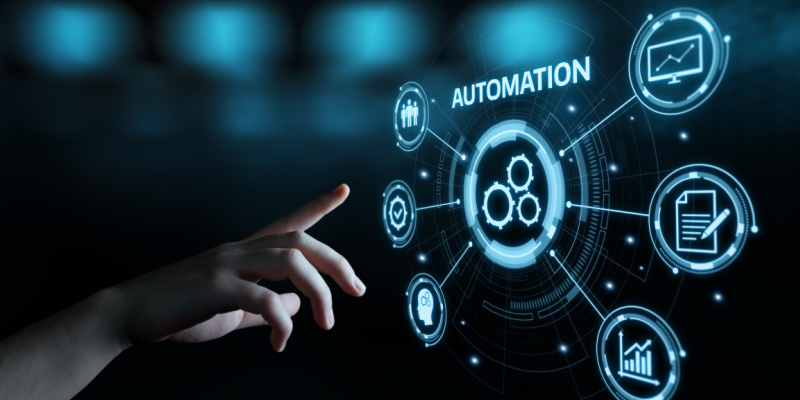
Teachers often spend significant time on grading, attendance, and paperwork. AI tools can automate many of these tasks, allowing educators to focus more on teaching and mentoring.
Automation helps:
- Reduce workload
- Improve efficiency
- Provide data-driven insights into student performance
This strengthens the overall education system.
5. Data-Driven Learning Insights
AI analyzes large amounts of data to identify patterns in learning behavior. This data can help educators understand:
- Which topics students struggle with
- Which teaching methods are most effective
- How to improve learning outcomes
These insights support better decision-making in classrooms.
6. Encouraging Critical Thinking and Creativity
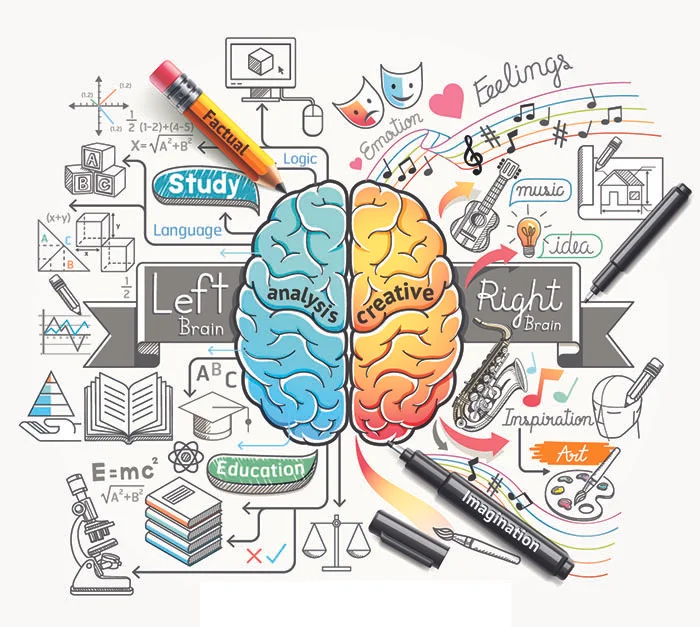
While AI can provide answers quickly, its true power lies in supporting higher-level thinking. When used properly, AI tools can:
- Encourage exploration
- Provide simulations for problem-solving
- Support creative projects
Students can use AI to brainstorm ideas, test solutions, and enhance their creativity.
7. Preparing Students for an AI-Driven World
AI is becoming part of nearly every industry. By integrating AI into education, students develop familiarity with the technologies shaping future careers.
Learning about AI helps students:
- Understand emerging technologies
- Build digital literacy
- Develop adaptability
This prepares them for modern job markets.
8. Challenges and Responsible Use
Despite its benefits, AI must be used responsibly. Over-reliance on AI tools can reduce independent thinking if not guided properly. There are also concerns about data privacy and ethical use.
To ensure positive impact:
- AI should support, not replace teachers
- Students should learn critical thinking alongside AI use
- Privacy and ethical standards must be maintained
Responsible integration is key to success.
Conclusion
AI is reshaping education by making learning more personalized, accessible, and efficient. It offers tools that support students, reduce teacher workload, and improve overall learning experiences.
However, the future of education is not about machines replacing humans. It is about combining technology with human guidance. When AI is used wisely, it becomes a powerful partner in building a smarter, more inclusive, and future-ready education system.