

In the modern education ecosystem, digital access defines opportunity. Students today are expected to attend online classes, submit digital assignments, build technical skills, and explore self-learning platforms.
However, for a large section of learners in India, especially from underserved communities, access to a personal computer remains limited. This gap continues to widen educational inequality and restrict future growth.
Apna PC plays a vital role in addressing this challenge by enabling students to participate meaningfully in digital education and skill development.
The Reality of the Digital Divide
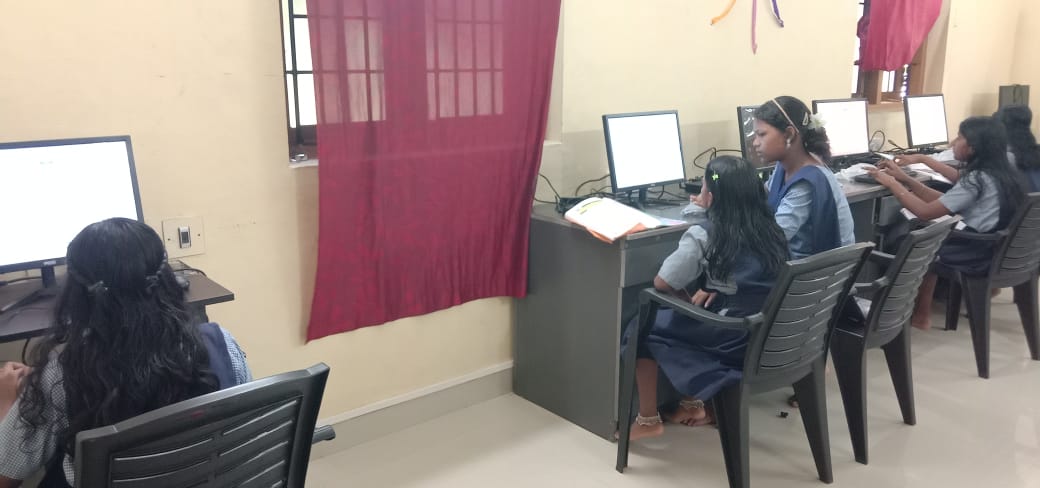
While urban students often have multiple digital devices at home, many learners in rural and low-income households rely on shared phones or external facilities. This creates barriers such as:
- Limited learning hours
- Difficulty attending live online classes
- Inability to practice computer-based skills
- Reduced exposure to digital tools and platforms
Without consistent access to a computer, students struggle to keep pace with curriculum demands and evolving educational standards.
Enabling Equal Learning Opportunities
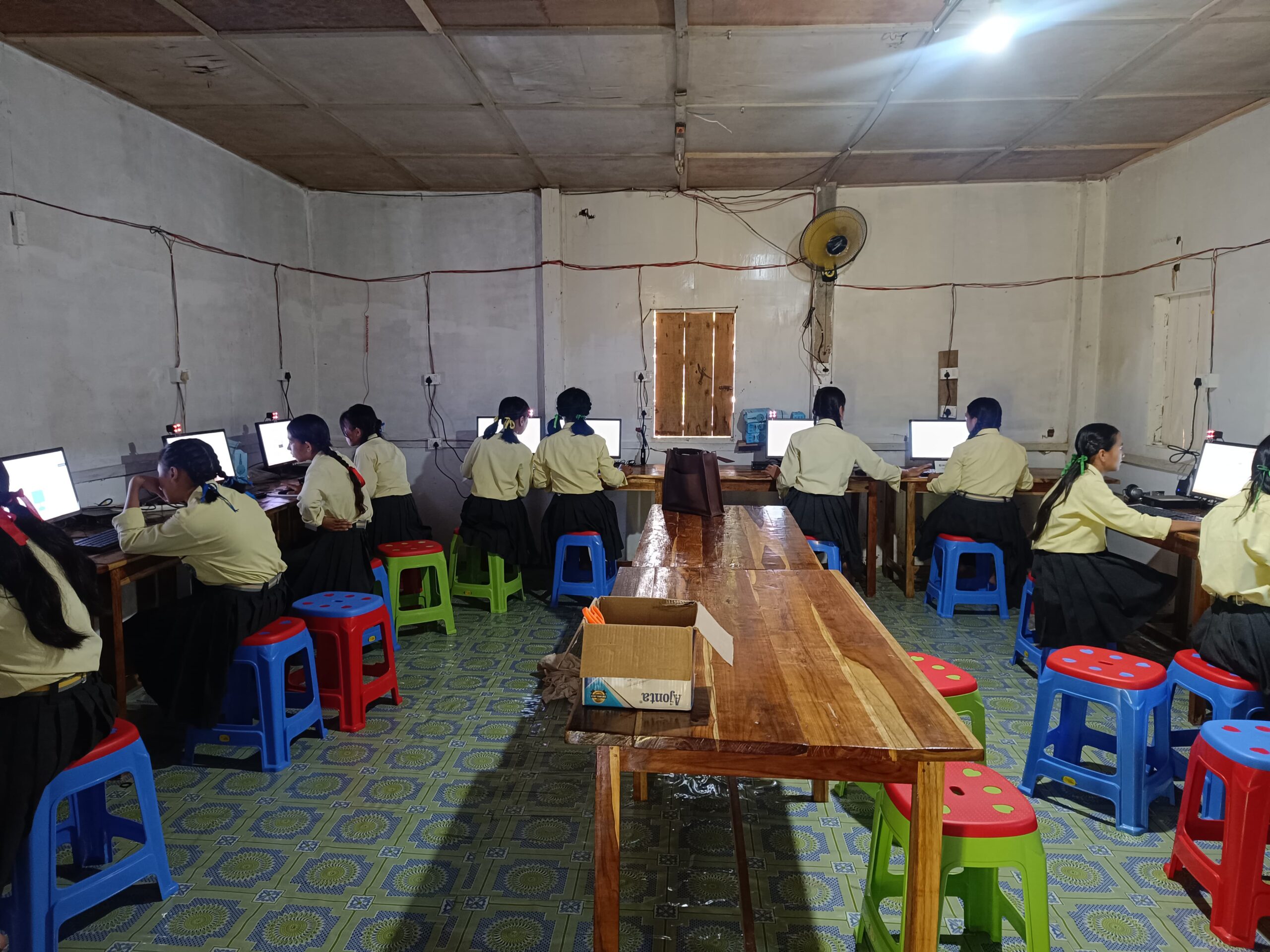
Access to a personal computer significantly changes how students engage with education. With the right digital tools, learners can:
- Study independently and revise concepts anytime
- Access online learning platforms and digital libraries
- Practice coding, typing, and technical skills
- Complete school and college work more efficiently
This level of access builds confidence and promotes deeper learning beyond classroom boundaries.
Supporting Skill Development and Career Readiness
Today’s job market demands digital literacy across almost every field. Early exposure to computers helps students develop essential skills such as:
- Basic computer operations
- Online research and documentation
- Digital communication
- Foundational technical and vocational skills
These abilities prepare learners not only for academics but also for long-term employability and career growth.
Impact Beyond the Individual Student
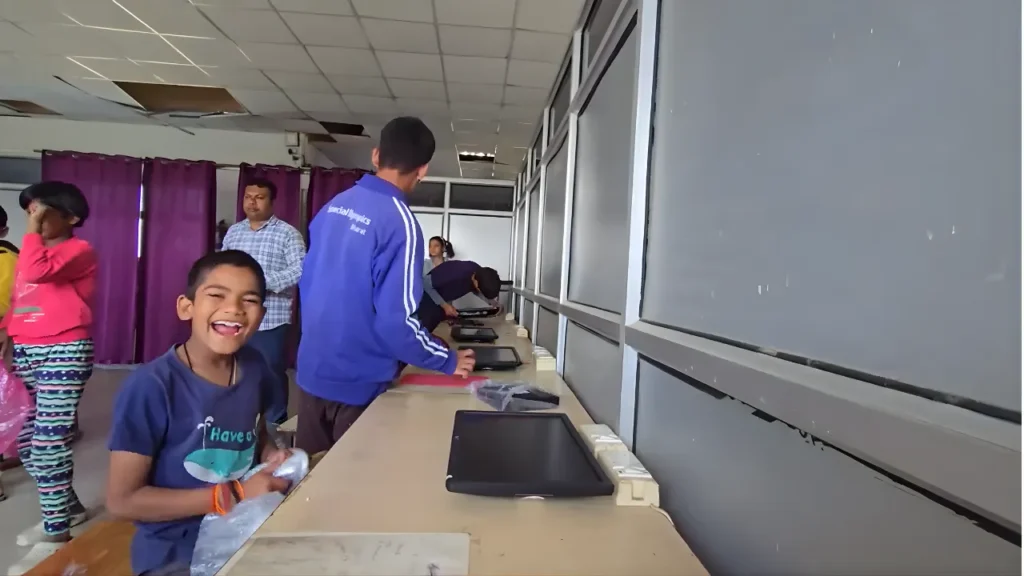
The benefits of improved digital access extend to families, schools, and communities. When students become digitally confident:
- Schools see better participation in online and blended learning
- Families gain awareness of digital tools and resources
- Communities move closer to technological inclusion
Over time, this contributes to broader social and economic progress.
Building a More Inclusive Digital Future
India’s growth as a knowledge-driven economy depends on how effectively it empowers its youth. Bridging the digital gap is essential to ensure that talent and potential are not limited by access to technology. Initiatives that focus on inclusive digital learning help create a fairer, more balanced education system.
Conclusion
Digital education is no longer optional it is foundational. Ensuring that students have reliable access to computers is critical for academic success, skill development, and future readiness. Apna PC supports this vision by strengthening digital access and enabling learners to grow with confidence in a technology-driven world.