

For years, marks and grades have been treated as the ultimate proof of a child’s intelligence and future success. Good marks meant confidence, respect, and better opportunities, while low marks often led to stress and self-doubt.
But the world has changed and so has the meaning of education. Today, marks alone no longer decide your child’s future.
The Old Belief: Marks = Success
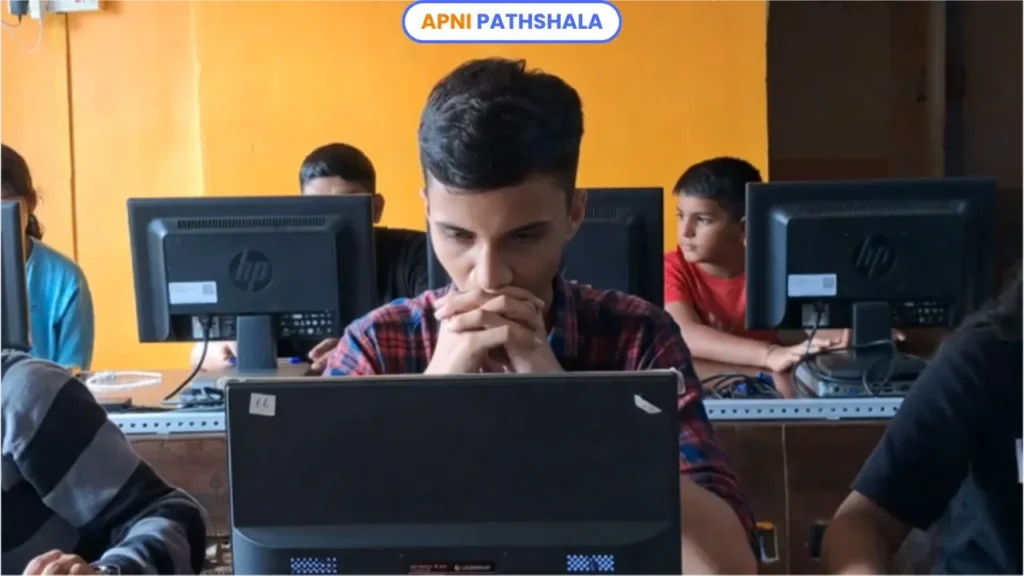
Traditional education systems were built around exams and scores. Children were trained to:
-
- Memorize information
-
- Reproduce answers in exams
-
- Compete for higher ranks
This approach rewarded short-term memory rather than long-term understanding. While it worked in the past, it is no longer enough in today’s rapidly evolving world.
Why Marks Matter Less Today
The modern world values skills that cannot be measured on a marksheet.
Employers, universities, and real-life challenges now demand:
-
- Critical thinking
-
- Communication skills
-
- Creativity and innovation
-
- Emotional intelligence
-
- Adaptability
A child who understands concepts, asks questions, and learns independently is far better prepared for the future than a child who only focuses on scoring high marks.
What Marks Actually Measure
Marks usually show:
-
- How well a child memorized information
-
- Performance on a specific day
-
- Exam-writing speed and accuracy
Marks do not measure:
-
- Curiosity
-
- Problem-solving ability
-
- Confidence
-
- Creativity
-
- Real-world understanding
Many talented children struggle with exams but excel in practical thinking, leadership, or creative fields.
What Truly Shapes a Child’s Future
A strong future is built on abilities and mindset, not numbers.
What matters more than marks:
-
- Learning how to learn
-
- Confidence to express ideas
-
- Ability to handle failure
-
- Curiosity to explore new topics
-
- Applying knowledge in real life
These qualities develop over time through encouragement, guidance, and experience.
The Changing Role of Parents
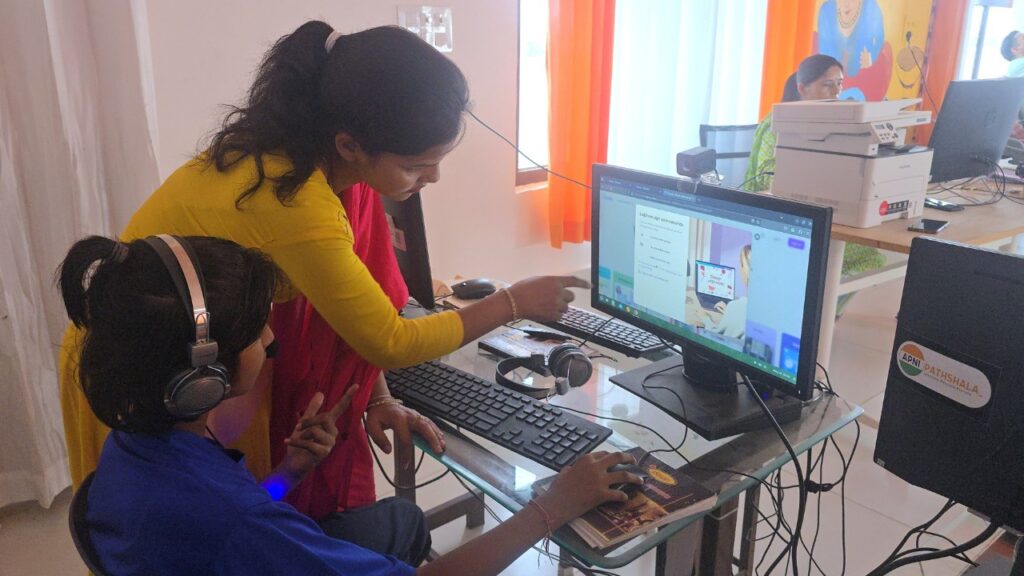
Parents today play a crucial role in shaping how children perceive success.
Instead of asking:
-
- “How many marks did you get?”
Try asking:
-
- “What did you learn today?”
-
- “What was challenging for you?”
-
- “What are you curious about?”
When children feel supported rather than judged, they grow into confident learners.
The Hidden Cost of Over-Focusing on Marks
Excessive pressure on marks can lead to:
-
- Anxiety and fear of failure
-
- Low self-esteem
-
- Loss of interest in learning
-
- Burnout at an early age
Short-term results may improve, but long-term growth often suffers.
A Better Approach: Learning Over Scores
Marks are not useless but they should not define a child.
A healthier approach includes:
-
- Concept-based learning
-
- Encouraging self-learning habits
-
- Allowing children to learn at their own pace
-
- Valuing effort, progress, and curiosity
Education should prepare children for life, not just exams.
Final Thoughts
Your child is more than a report card. In today’s world, success belongs to children who can think independently, adapt to change, and continue learning throughout life.
When parents shift the focus from marks to mindset, children discover their true potential.
Start celebrating learning, not just results.
Encourage curiosity, confidence, and understanding at home.
Because marks don’t decide your child’s future anymore learning does.