

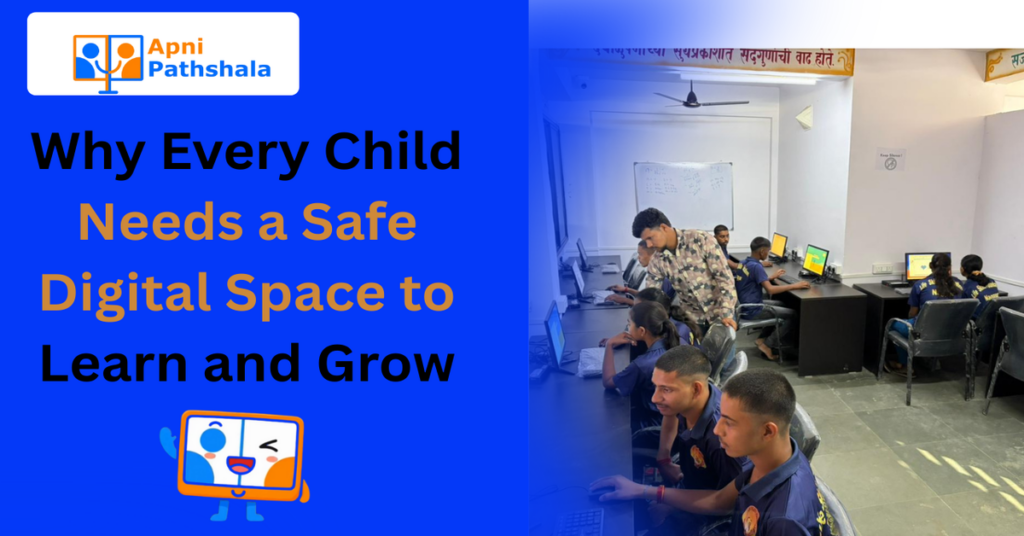
Children today are growing up in a world where digital devices are not optional they are a natural part of everyday life. From online classes and assignments to curiosity-driven searches and creative exploration, the digital world plays a central role in how children learn and interact with information. However, while access to technology has increased rapidly, safe and meaningful digital learning environments for children are still missing.
The real challenge is not whether children should use computers or the internet. The real question is what kind of digital space children are exposed to and how that space shapes their thinking, confidence, and curiosity.
This is why every child needs a safe digital space to truly learn and grow.
The Reality of Digital Learning Today
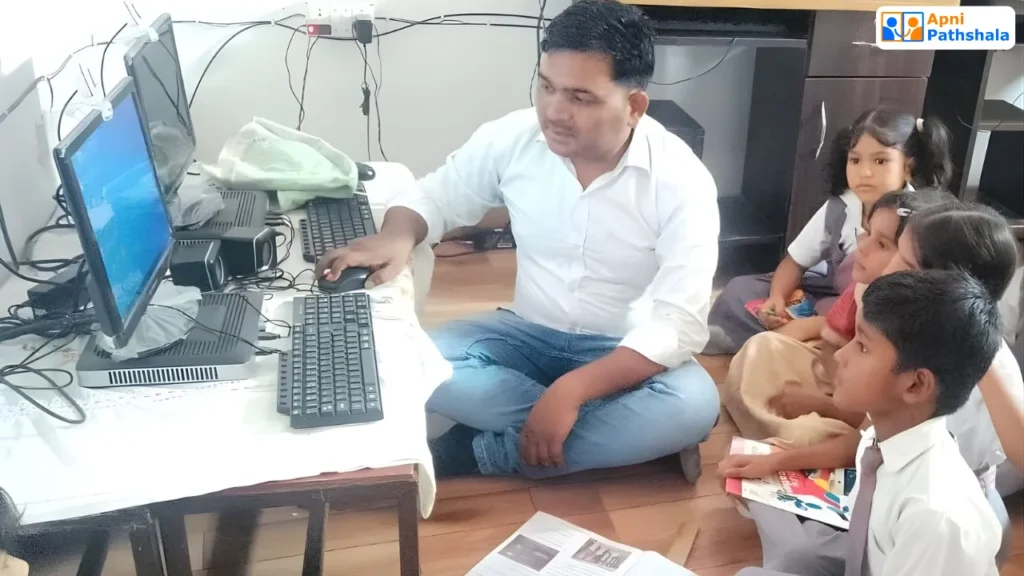
Most digital platforms are designed for speed, engagement, and consumption. Children are constantly pushed to watch more videos, click more links, and move quickly from one thing to another. While this may keep them entertained, it rarely supports deep learning or independent thinking.
Over time, this kind of unstructured digital exposure can lead to distraction, reduced attention span, and a habit of passive consumption. Children may appear busy on screens, but very little real learning happens. Parents often notice that despite spending hours online, children struggle to explain what they have actually learned.
This creates frustration for parents and children alike.
Why Safety in Digital Learning Is More Than Just Filters
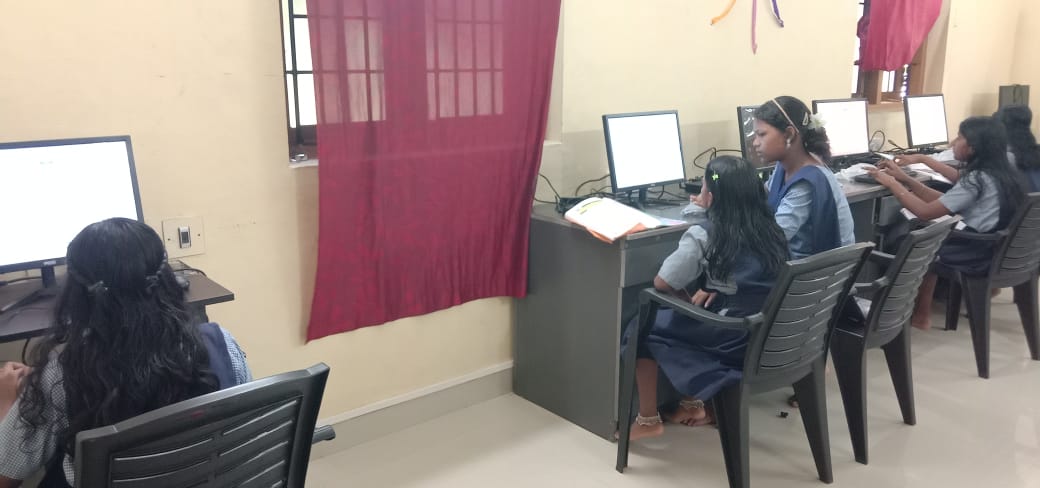
When we talk about safety, most people think of blocking harmful websites or limiting screen time. While these are important,true digital safety goes much deeper.
A safe digital learning space is one where children feel emotionally secure. It is a space where:
-
- Children are not afraid of making mistakes
-
- learning is not driven by pressure or comparison
-
- curiosity is encouraged instead of controlled
-
- progress is personal, not competitive
Such an environment allows children to slow down, think clearly, and engage meaningfully with what they are learning.
How a Safe Digital Environment Protects and Supports Self-Learning
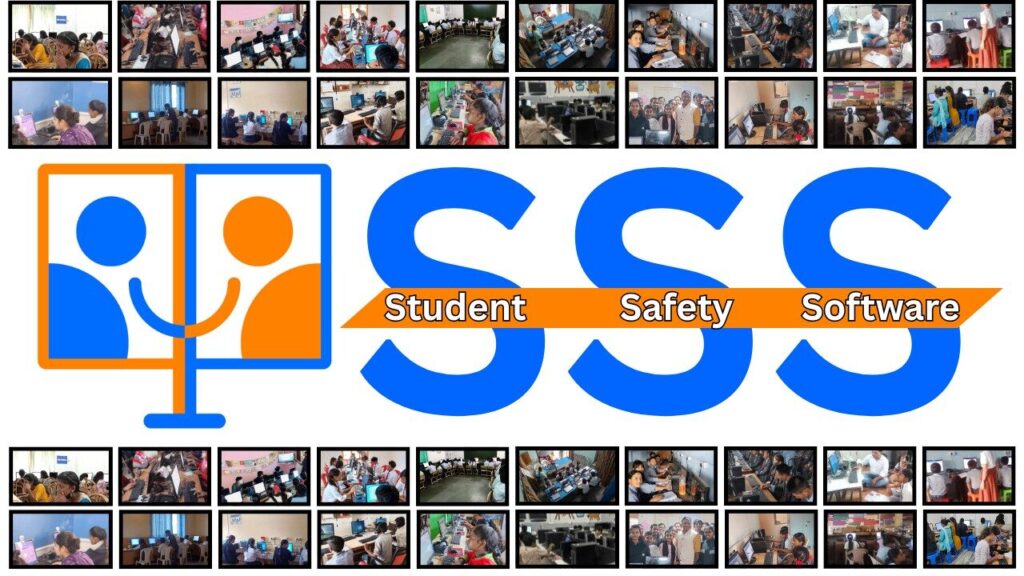
Self-learning becomes truly effective only when it happens in a safe and controlled digital environment. A safe self-learning space ensures that children are protected from adult websites, illegal content, and harmful online distractions that are not meant for their age or mindset. Instead of exposing children to the open and unsafe internet, such a system allows access only to meaningful, age-appropriate learning resources.
This creates a sense of trust for parents and freedom for children where children can explore, learn, and experiment independently without the risk of encountering inappropriate or illegal content. Safety in self-learning is not about restricting curiosity; it is about guiding curiosity in the right direction.
Learning Grows When Fear Is Removed
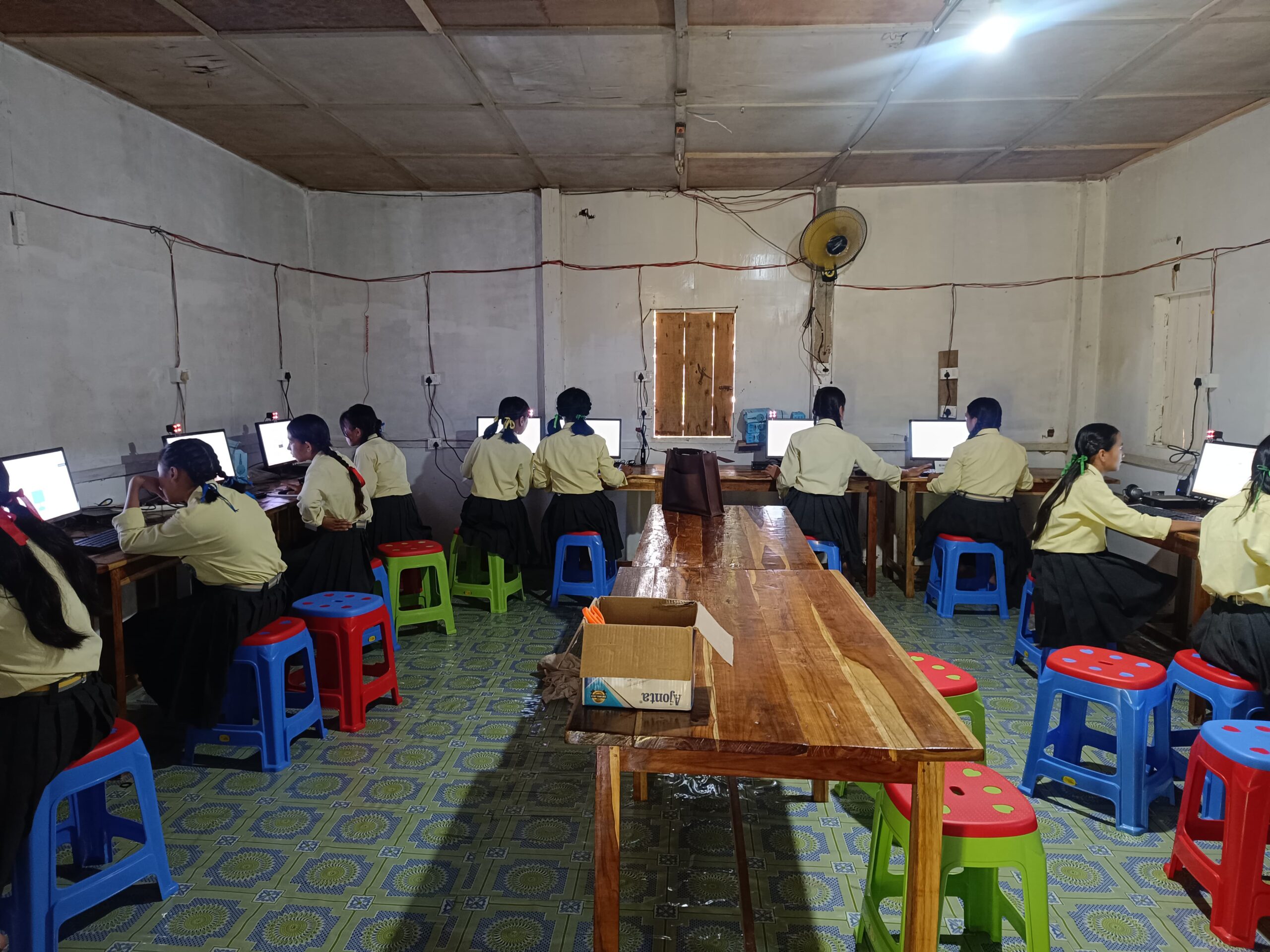
Fear is one of the biggest obstacles in a child’s learning journey. Fear of wrong answers, fear of low marks, fear of falling behind others. In many learning environments, this fear silently controls behaviour.
When fear dominates, children stop experimenting. They stop asking questions. They focus only on getting things “right” instead of understanding them.
A safe digital space removes this fear. Children feel free to explore, try, fail, and try again. Learning becomes a process rather than a performance. Confidence builds naturally when children realise that mistakes are part of growth, not something to be punished.
From Passive Screen Time to Active Learning
One of the biggest differences between an unsafe and a safe digital space is how children use technology.
In unsafe spaces, children mostly consume content. They watch videos, scroll endlessly, and follow instructions without thinking. In a safe digital learning space, children become active participants in their learning.
They begin to:
-
- think independently
-
- organise their thoughts
-
- express ideas in their own words
-
- work on small projects and real-world problems
This shift from consumption to creation helps children develop skills that go far beyond academics critical thinking, communication, and problem-solving.
Building Ownership and Responsibility in Learning
When children are trusted with a safe digital space, something powerful happens they begin to take ownership of their learning. Instead of waiting to be told what to do, they start making choices about what they want to learn and how they want to learn it.
This sense of ownership builds responsibility. Children become more aware of their interests, strengths, and learning styles. They start seeing learning as something that belongs to them, not something imposed on them.
This is a core belief behind Apna PC that when children are given the right environment, they naturally grow into confident and curious learners.
The Role of Parents in a Safe Digital Space
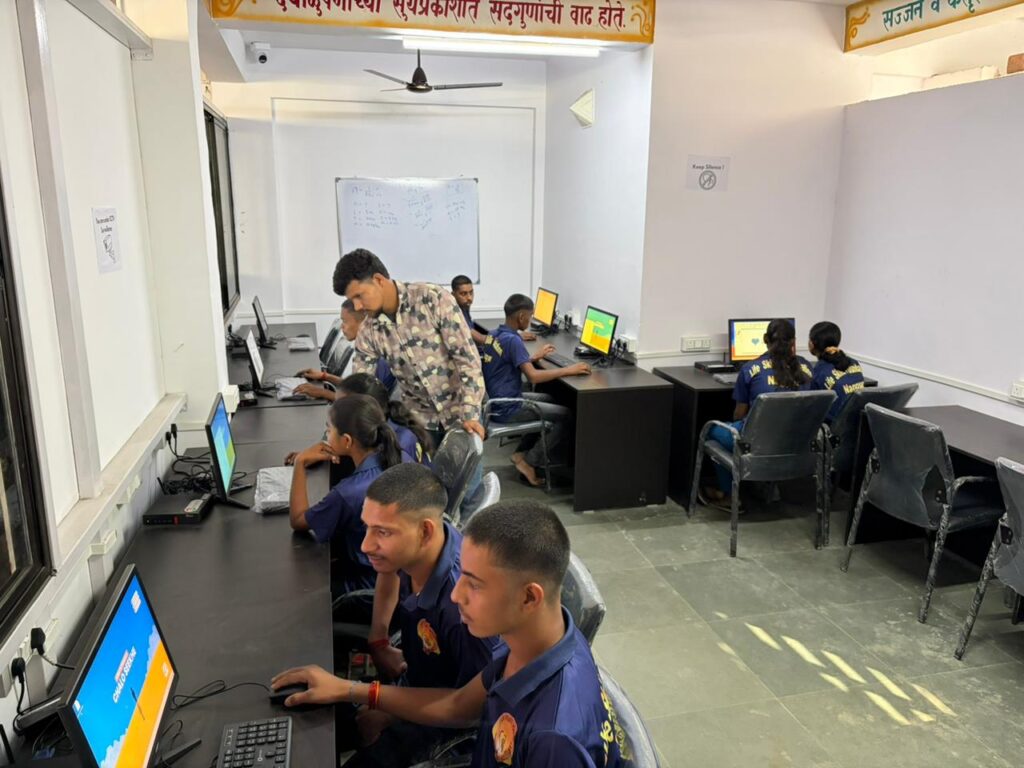
A safe digital learning environment does not replace parents it supports them. Instead of constantly worrying about screen misuse or content exposure, parents gain clarity and peace of mind.
When children learn in a structured and trusted digital space, conversations at home change. Parents move from controlling screen time to understanding their child’s learning journey. This builds trust, reduces conflict, and creates a healthier relationship with technology.
Parents become partners in learning, not enforcers.
Preparing Children for the Future, Not Just Exams
The world children are growing into will demand adaptability, self-learning, and independent thinking.
Memorising information is no longer enough. Children need the ability to learn continuously, solve problems, and think clearly in unfamiliar situations.
A safe digital space helps children develop these abilities early. It prepares them not just for school exams, but for life beyond classrooms.
Children who grow up in such environments are better equipped to handle change, explore opportunities, and keep learning throughout their lives.
Creating a Digital Space Where Learning Feels Natural
Every child deserves a digital space where learning feels calm, meaningful, and respectful.
A space that values understanding over speed, curiosity over comparison, and growth over performance.
When children learn in a safe digital environment, learning stops feeling like pressure and starts feeling like discovery. They don’t just gain knowledge, they develop confidence, clarity, and a lifelong love for learning.
A safe digital space is no longer a luxury. It is a necessity for raising thoughtful, capable, and future-ready children.