

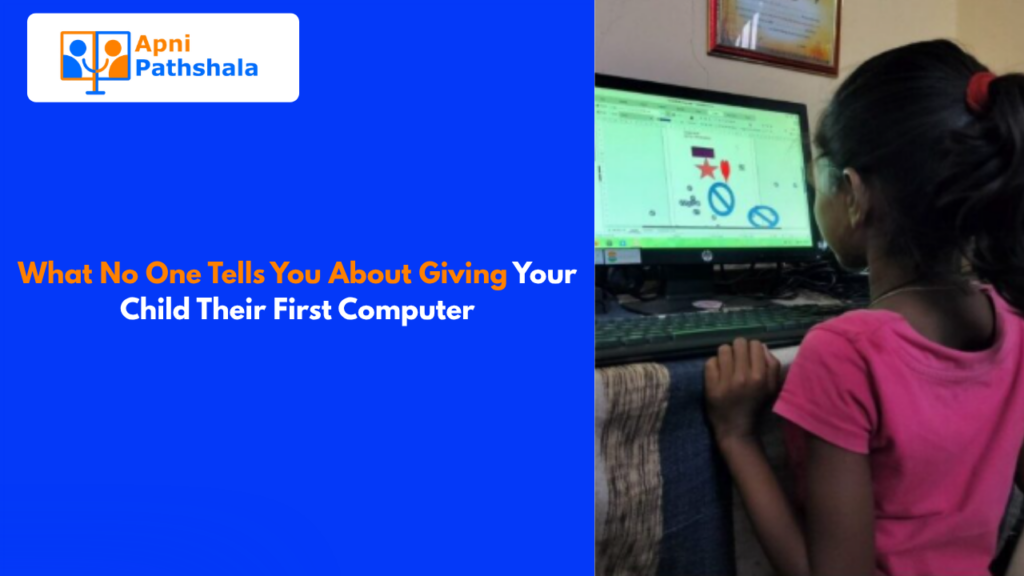
Nobody tells you that the first time a child sits in front of their own computer, something changes in their posture. Sruthi’s father had never owned a computer. Her school had one lab, shared by hundreds of students, used mostly for typing practice. When Sruthi got her first real device, one that was actually hers, not a 10-minute timeslot, she sat up differently. Straighter. Like she meant it.
That’s not a metaphor. Something genuinely shifts.
It’s Not Just About Skills
The obvious argument for learning computers early is skill-building. Typing. Coding. Office software. Digital literacy. All real. All valuable.
But the less-talked-about benefits are the ones that might matter more. The ones that shape a child’s relationship with learning itself, not just with technology.
Let’s go through them.
Problem-Solving Becomes Natural
When a child uses a computer regularly, they run into problems. The file won’t open. The printer isn’t connecting. The program crashes. The internet drops mid-download.
Each of these is frustrating. And each of these is also a small problem-solving exercise.
Children who grow up troubleshooting technology develop a specific mindset: problems are puzzles, not failures. They learn to check, retry, search for answers, and try a different approach. That’s not a tech skill. That’s a life skill.
Self-Directed Learning Clicks Earlier
Haripriya K.S. is 16. She studies at ATMA Gurukulam in Thrissur. When she got access to a computer, she didn’t wait for someone to assign her something. She started exploring. Looking things up. Following one interesting question with another.
That’s what a computer does for a curious child it removes the ceiling. There’s always something more to learn, and the child can choose the direction.
Students who learn this early don’t just become better at school. They become better at learning itself. And that ability to figure things out independently, to seek knowledge rather than wait for it carries them for the rest of their lives.
Creative Confidence Gets Built
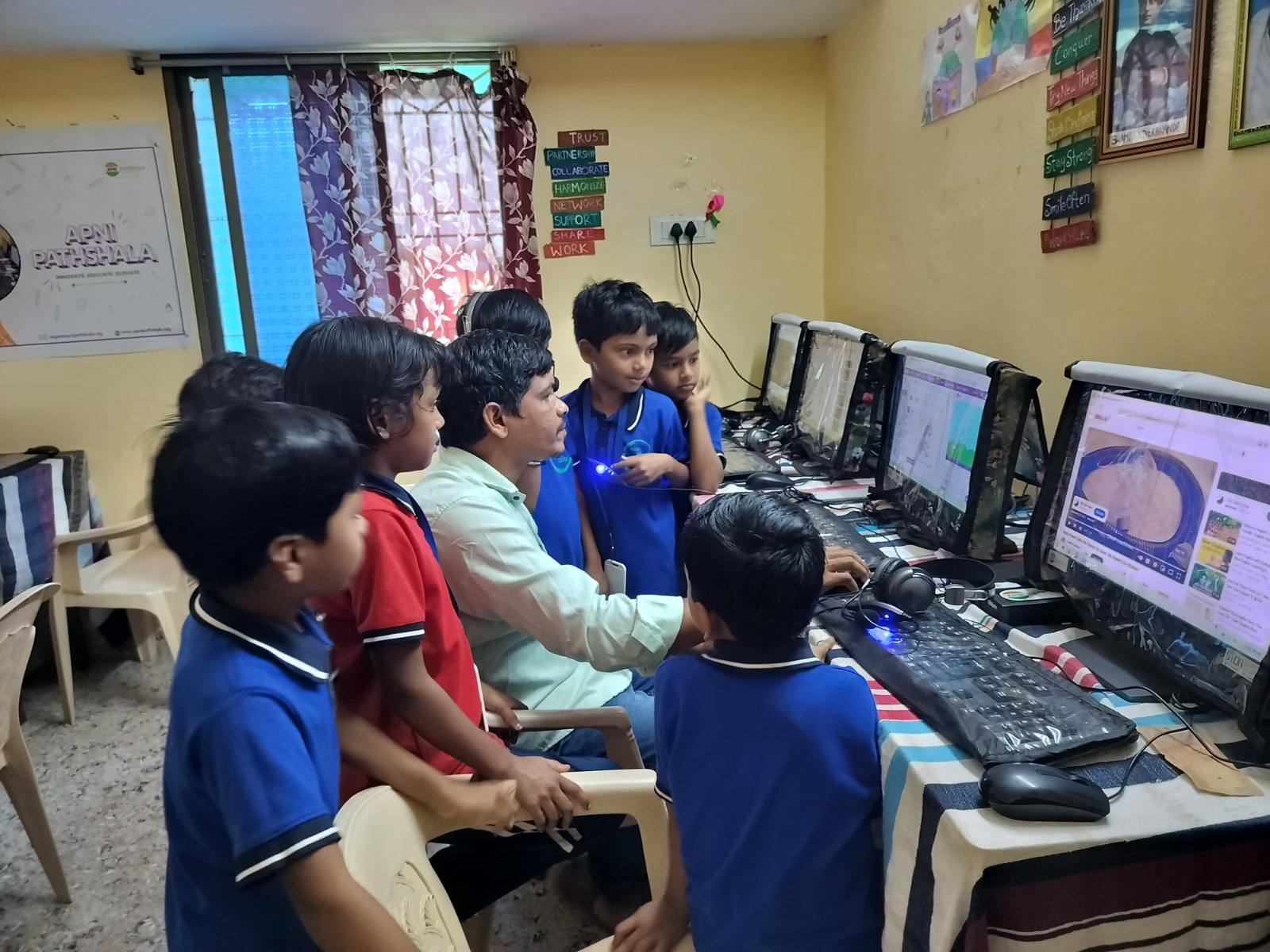
Devendra has a 90% hearing impairment. Traditional classrooms had limited what he could participate in. But when he sat at a computer and opened Canva for the first time, none of that mattered.
He could create. Design. Make something that didn’t exist before he made it.
That experience of making something and seeing it on screen builds a kind of confidence that’s hard to get from textbooks alone. Children discover that they can make things. Express things. Build things. And that discovery changes how they see themselves.
It’s not just “I can use a computer.” It’s “I can make things with tools.” And that matters far beyond any classroom.
Focus and Patience Develop Together
Here’s a counterintuitive one: computers, used well, teach patience. Not the passive, waiting kind of patience the active kind. The kind that says, “I’m going to keep working on this until I figure it out.”
When a student is building something on a computer, a project, a presentation, a design, they have to see it through; they can’t rush it. The computer doesn’t care if they’re in a hurry. It gives back exactly what they put in.
This teaches children something that scrolling through social media never does: that quality takes time and effort. And that effort is worth it.
Communication Skills Improve Unexpectedly
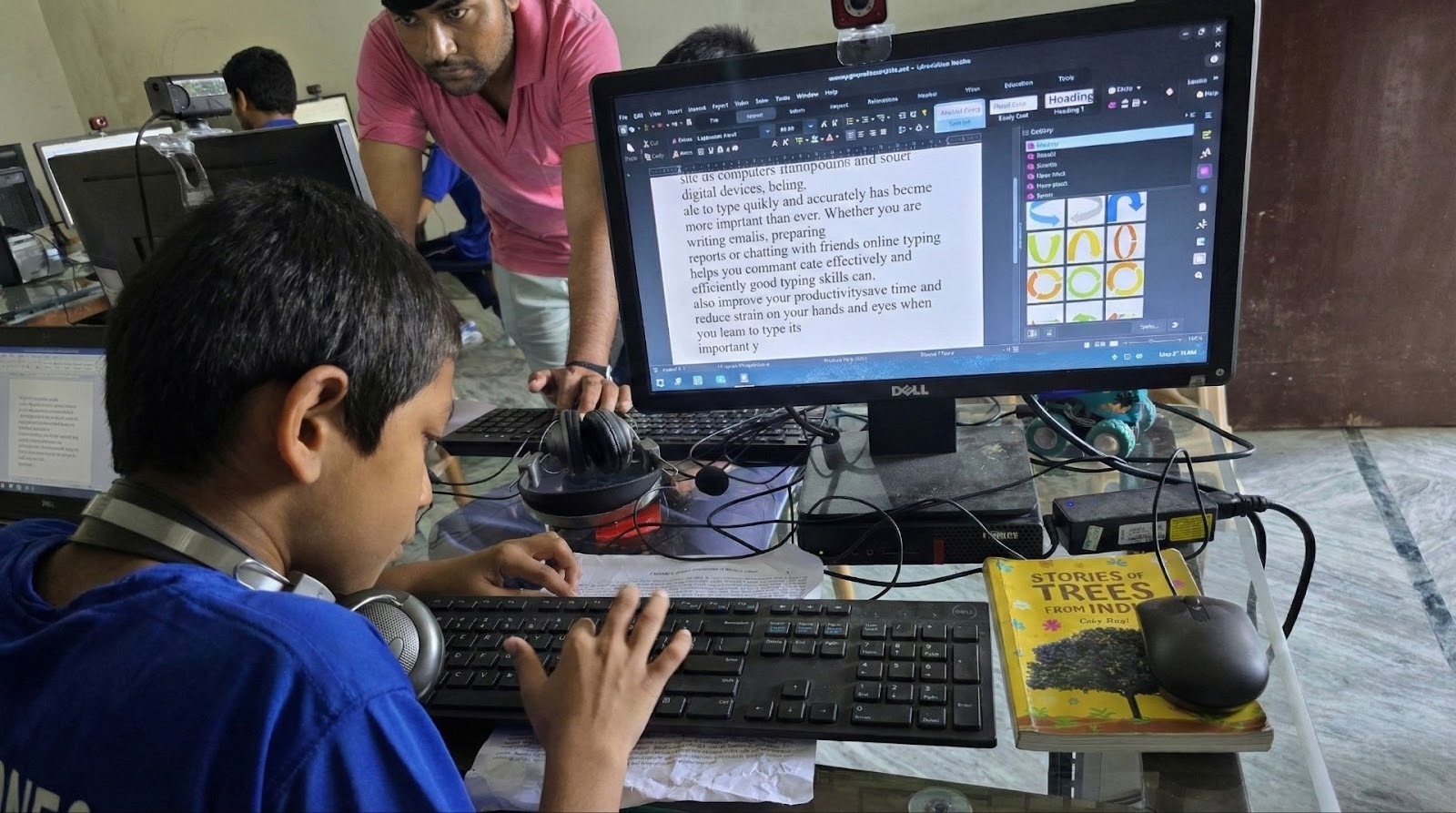
Students who use computers regularly for writing, for research, for creating presentations get significantly better at organizing their thoughts. They learn to structure arguments. Choose words carefully. Present information in a way that makes sense to someone else.
Writing a school project on paper is one thing. Building a presentation, adding visuals, and deciding what information matters enough to include is a communication exercise that sharpens a completely different set of skills.
Sivani S., an 18-year-old B.Com student at ATMA Gurukulam Thrissur, didn’t just learn technology. She learned how to present her ideas more clearly, how to organize her thoughts visually, how to make an argument that actually lands. That’s what happens when the tool pushes you to think, not just consume.
Adaptability: The Skill of the Future
The specific software a child learns today will probably be outdated in ten years. The platforms will change. The tools will evolve. What won’t change is the ability to adapt to pick up new technology quickly, to figure out unfamiliar systems, and not to feel paralyzed by change.
Children who grow up with computers develop this naturally. They’re comfortable not knowing everything. They know that with a bit of exploration and a bit of patience, they can figure out something new.
That adaptability is arguably the most important skill any student can have going into an unpredictable future.
The Earlier, The Better
None of this means toddlers need laptops. But it does mean that the window for building a healthy, curious relationship with technology is earlier than most people think. Children who start engaging meaningfully with computers in their school years, not just watching videos, but actually creating, writing, and problem-solving, build habits of mind that stay with them.
Sruthi changed her posture when she sat down at her first computer. Something clicked. Not just in the machine. In her.
Give your child that moment. Apna PC is built for students who are ready to go from consumers to creators at every age, every background, every starting point.