

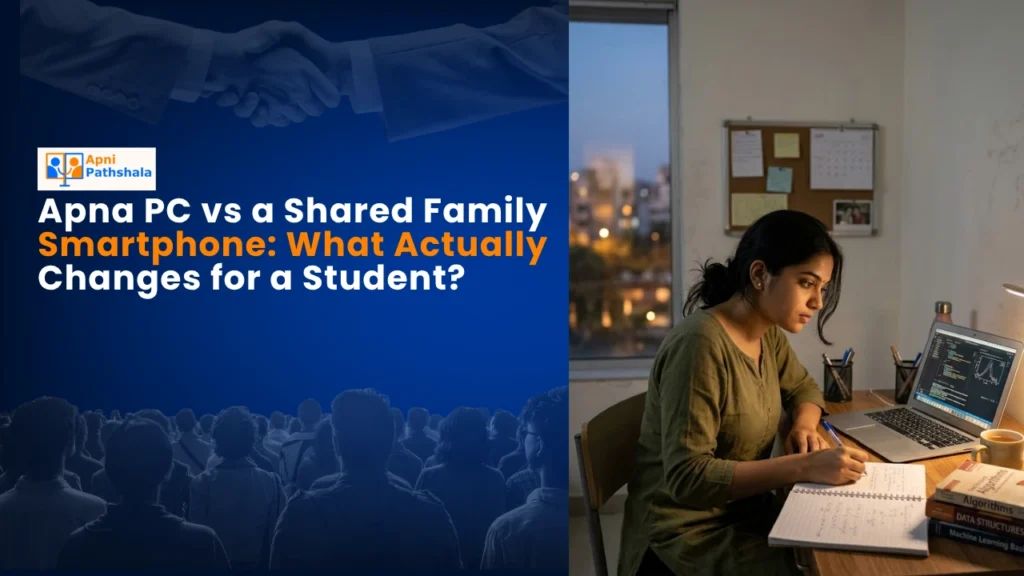
When Isha’s Mom Finally Understood the Difference?
Isha is 14 and lives in Indore. For two years, she shared her mom’s smartphone to attend online classes, submit assignments, and study for exams. Her mom thought it was enough. Then came the board exam preparation year. Isha started complaining about headaches. Her younger brother kept interrupting with calls and messages.
WhatsApp notifications popped up during math lessons. By October, Isha’s grades had dropped, and her confidence was shaken. Her parents realised that a shared family smartphone wasn’t working for serious learning. That’s when they discovered Apna PC, a student computer designed for Indian homes, and everything changed.
The Smartphone Problem: Why It Fails for Real Learning
A smartphone is designed for quick tasks. Scrolling, chatting, watching videos for a few minutes. It’s not built for focused, deep learning. When your child tries to study for 45 minutes on a 6-inch screen, their eyes strain. Their posture suffers. The tiny keyboard makes typing assignments painful and slow.
More importantly, a shared smartphone is a distraction machine. Every notification pulls attention away. A friend’s message. A social media alert. A game request. Your child’s brain gets interrupted constantly. Research shows that after an interruption, it takes 15-20 minutes to refocus on complex work like math or coding.
What Changes When Your Child Gets a Student Computer?
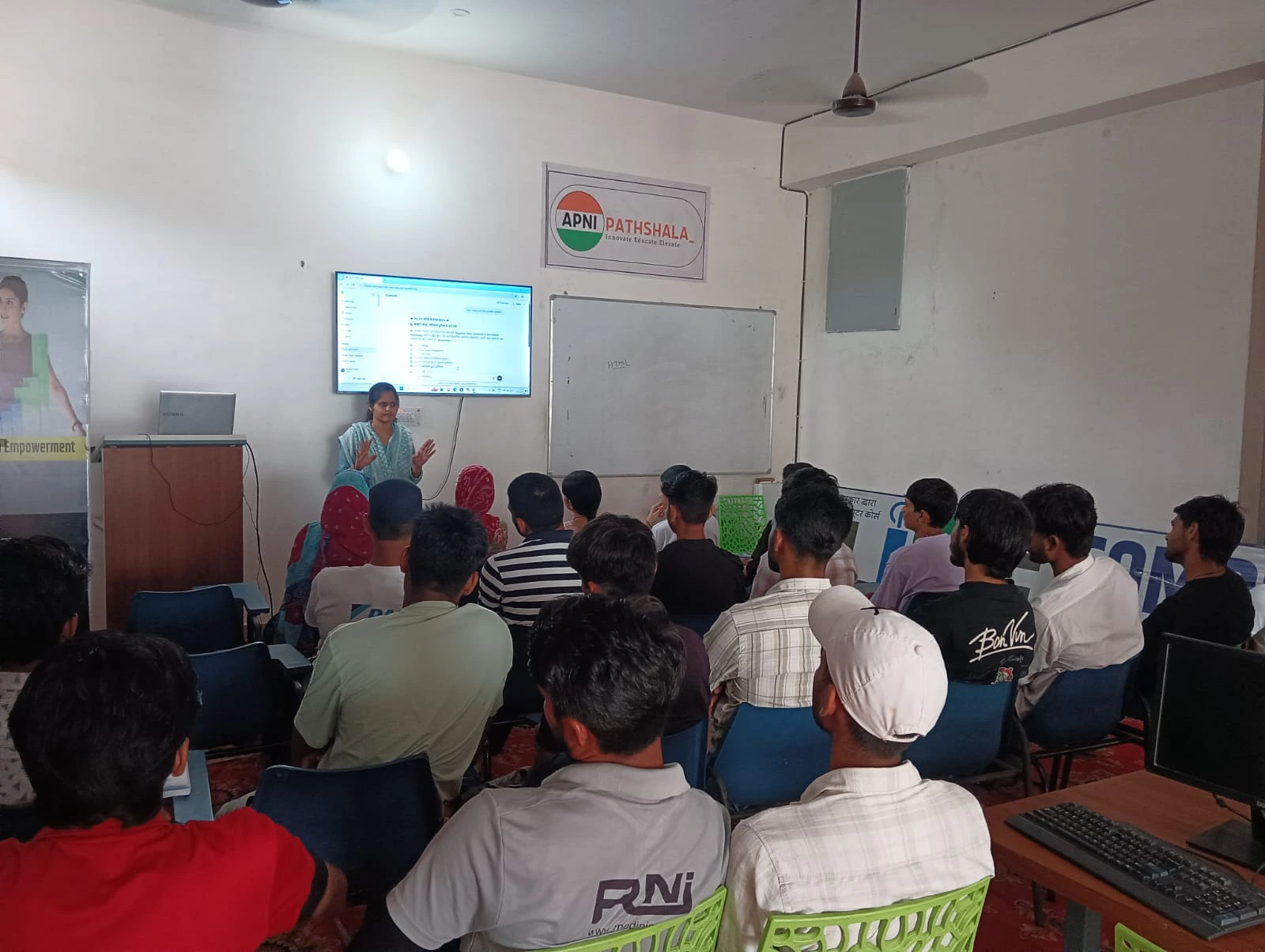
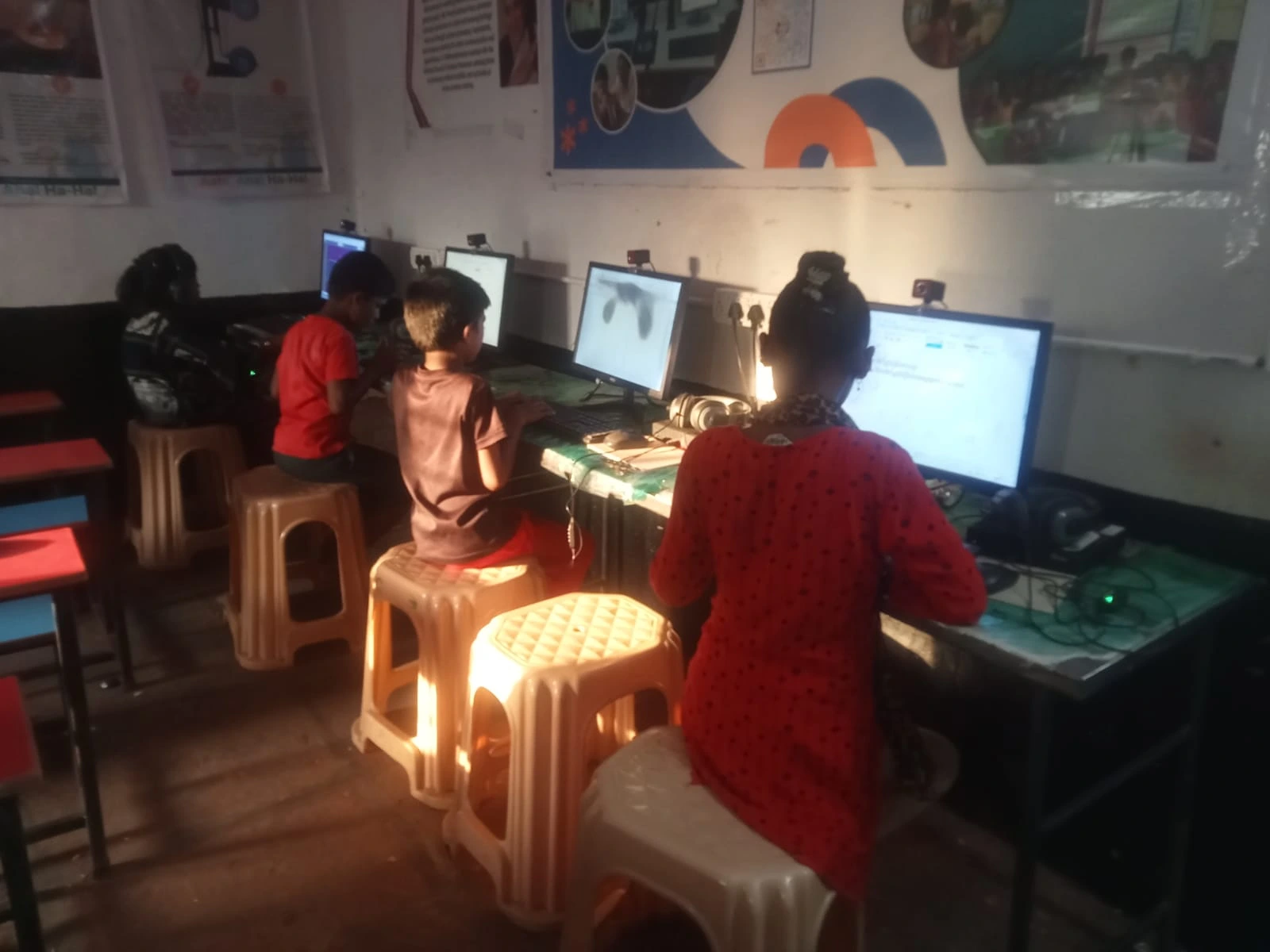
A student computer like Apna PC is different. It’s built specifically for learning. It has a proper 21-inch monitor, a full keyboard, and a mouse. Your child sits at a desk with good posture. Their eyes are at the right distance from the screen. They can see their entire spreadsheet, their coding project, or their online class without constantly zooming in and out.
The device comes pre-loaded with learning tools, not games. Zorin OS is a clean, simple operating system that won’t distract your child. LibreOffice helps them create documents and presentations. Scratch teaches them coding basics. Most importantly, Apna PC includes Apni Prerna, a monitoring system that helps parents understand how their child is spending study time.
How a Student Computer Helps with Online Learning
India’s education system now relies heavily on online platforms. Your child uses the DIKSHA digital learning platform, YouTube for educational videos, and Google Classroom for assignments. A smartphone can handle these, but barely; videos buffer. Documents don’t display properly. Typing assignments takes forever.
On a student computer, everything works smoothly. A student computer works on slow internet too, because it’s optimised for Indian connectivity. Videos load faster. Downloads complete without freezing. Your child can attend live classes without the screen going black every five minutes.
The Real Cost of Delay
What Makes Apna PC Different?
Apna PC costs 30,000 rupees (plus shipping and GST). For that price, you get a complete learning system designed for Indian students. It comes with 8GB RAM and 128GB SSD, which is enough for all school-level work. It’s built to handle the software your child actually needs.
The Apni Prerna monitoring system lets you stay connected without being intrusive. You can see how much time your child spent on studies versus browsing. You can set healthy boundaries. Your child learns responsibility.