


Rajesh’s Daughter Finally Has Her Own Computer to Learn
Rajesh sits in his small shop in Indore, scrolling through his phone. His daughter Priya, 14, has just finished her school day. She wants to learn coding, graphic design, and digital skills that will help her in college. But there’s a problem: the family’s single laptop is always busy with his wife’s work from home. Priya can’t practice what she learns in class. She feels left behind compared to students in bigger cities who have their own devices. This is the story of thousands of families in Tier 2 and Tier 3 cities across India.
Building real-world skills from home doesn’t require expensive setups or fancy equipment. Your child can develop practical learning habits with the right tools and support. In this post, we’ll show you how students can gain real-world skills without leaving their bedroom, and why having your own computer makes all the difference.
Why Real-World Skills Matter More Than Ever
Your child’s future depends on more than just textbook knowledge. Employers want candidates who can solve problems, use technology, and think independently. According to student development research, hands-on experience beats theoretical learning every single time.
Real-world skills include:
- Digital skills: Coding, video editing, spreadsheet management, and online communication
- Problem-solving: Breaking down complex tasks and finding solutions independently
- Time management: Balancing multiple projects and deadlines
- Creativity: Using software tools to express ideas and build projects
When your child practices these skills at home, they build confidence. They stop waiting for their turn on a shared device. They become independent learners who can teach themselves new tools.
The Learning Gap at Home Holds Students Back
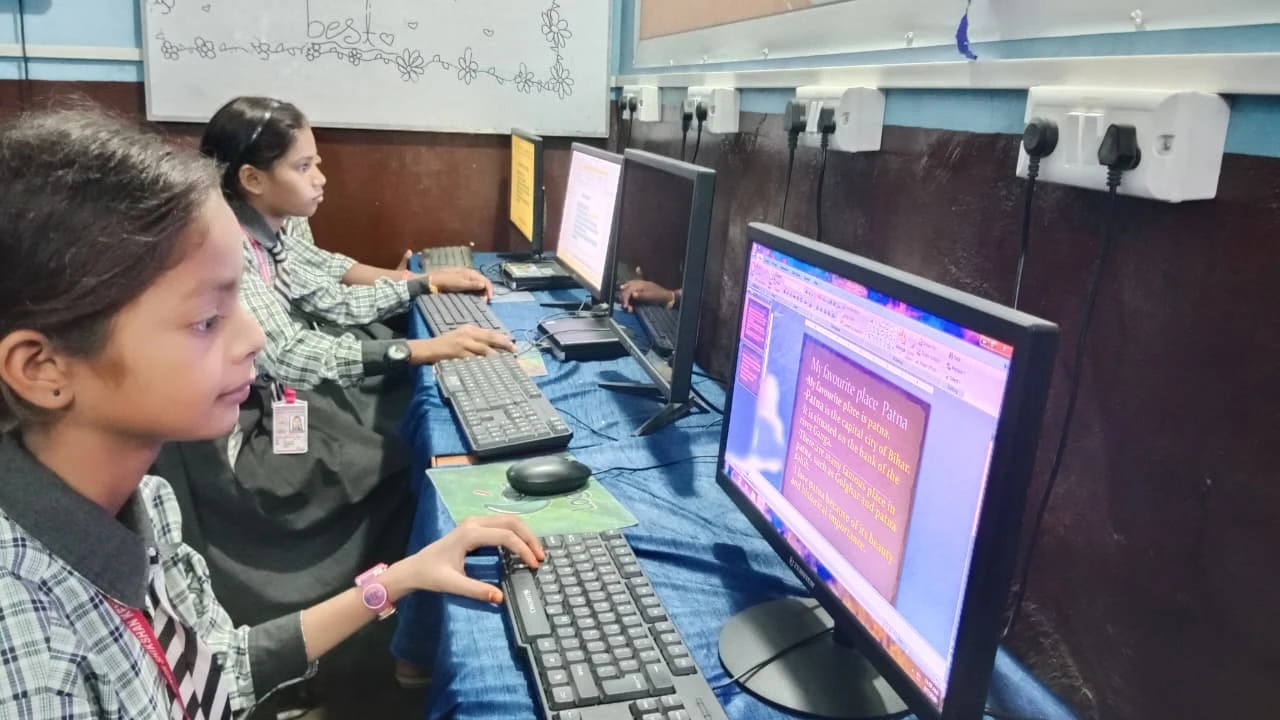
Many families face the same problem as Rajesh. One computer for the entire household means your child gets limited practice time. When they finally sit down to code or create, they’re rushing because someone else needs the device. This creates a learning gap at home that widens every year.
Students in cities with multiple devices at home are already ahead. They practice coding projects at midnight if they want. They edit videos for their YouTube channel without asking permission. They experiment with design software and make mistakes without pressure. Your child deserves the same opportunity to learn at their own pace.
The government’s Digital India initiative recognises this gap. It pushes for affordable access to technology in every home. But government programs take time. Your child needs to start building skills now.
Practical Learning Starts With Access to Your Own Device
Your child needs their own computer to truly develop practical learning skills. Here’s why ownership matters:
- They can install and experiment with software without restrictions
- They practice coding projects without time limits or interruptions
- They build a portfolio of work that impresses college admissions teams
- They develop responsibility and digital citizenship
When your child has their own device, they stop making excuses. They start creating. They try things that fail, learn from mistakes, and try again. This is how real-world skills develop.
Building Problem-Solving Skills Through Computing
Coding teaches your child to think like an engineer. They learn to break big problems into small steps. They debug code when something goes wrong. They test their work and improve it. These aren’t just computer skills. These are life skills.
Your child can start with free tools like Scratch, which comes pre-loaded on educational computers. Scratch teaches programming logic through visual blocks. No complex syntax. No frustration. Just learning by doing. Once they master Scratch, they move to Python, JavaScript, or other languages. Your child builds problem-solving skills through computing that apply to every subject and career.
Digital Skills Open Doors to Better Futures
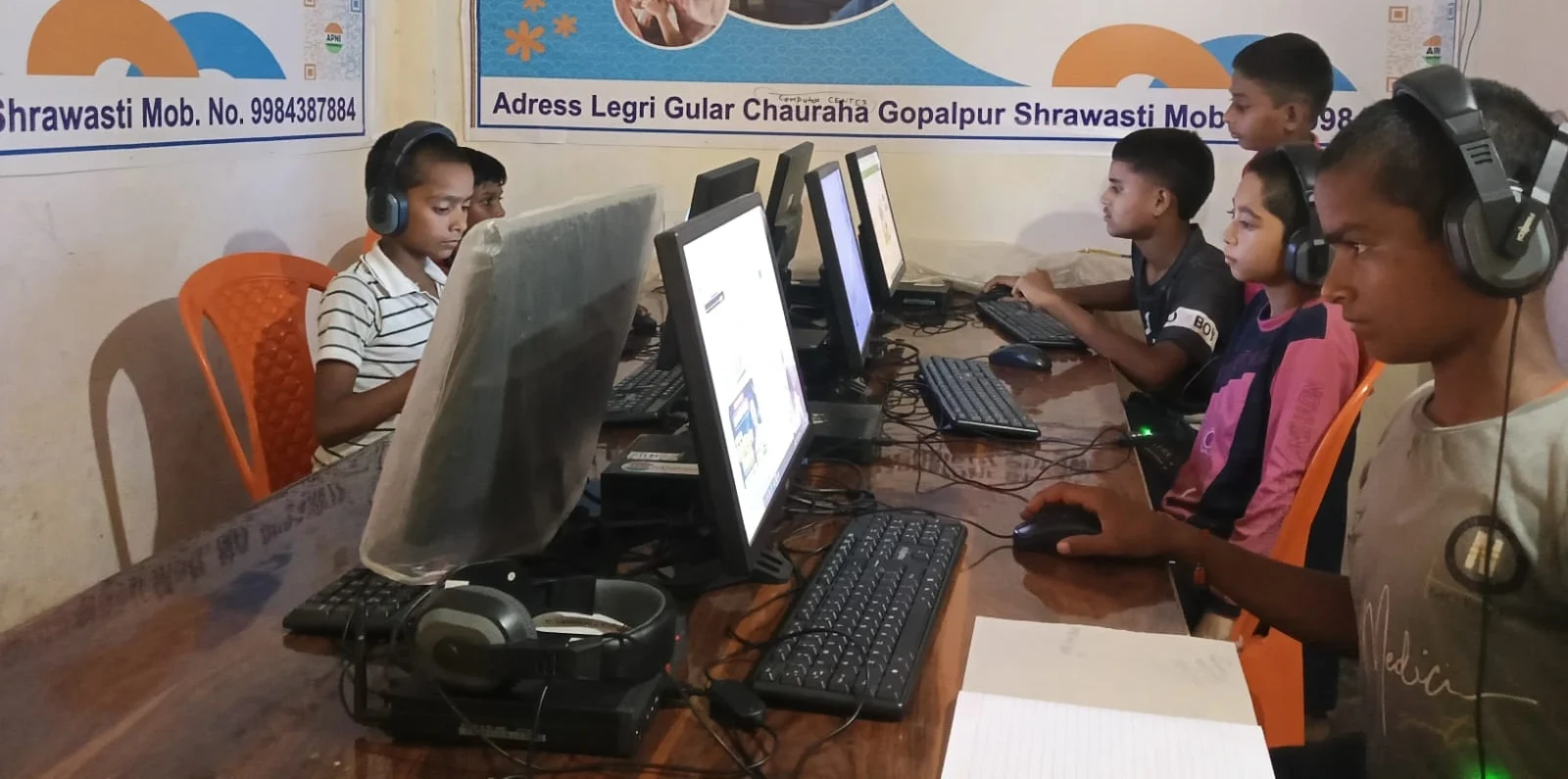
Your child doesn’t need to become a software engineer to benefit from digital skills. These abilities help in every field. A doctor uses design software. A teacher edits videos for online classes. An accountant manages spreadsheets. A journalist researches online. Every career now requires some level of digital competence.
When your child practices these skills at home, they’re not just passing exams. They’re preparing for college applications where coding projects stand out. They’re building portfolios that employers notice. They’re developing confidence that shows in interviews.
How to Start Building Real-World Skills at Home Today
You don’t need to spend lakhs to give your child their own computer. Apna PC is an affordable educational computer designed specifically for students like yours. It costs just Rs.30,000 (plus shipping and GST) and comes pre-loaded with everything your child needs to start learning today.
Apna PC includes:
- Zorin OS: A user-friendly operating system that’s perfect for beginners
- Scratch: Free visual programming tool to learn coding basics
- LibreOffice: Full office suite for documents, spreadsheets, and presentations
- Apni Prerna: Student monitoring system so you can track learning progress
- 8GB RAM and 128GB SSD: Fast enough for coding, design, and multitasking
This isn’t a gaming laptop. It’s a focused learning tool that removes distractions. Your child can code, create, design, and learn without the temptation of games and social media.
Your Child Deserves the Same Opportunities as City Kids
Priya’s story doesn’t have to be your story. Your child can have their own computer. They can build real-world skills that set them apart. They can practice whenever they want, as much as they want. They can become the kind of independent learner that colleges and employers are looking for.
The time to start is now. Your child’s future isn’t built in classrooms alone. It’s built at home, on their own device, through practical learning and real-world projects. Apna PC makes this possible at a price your family can afford. Visit apnapc.com to learn more.