

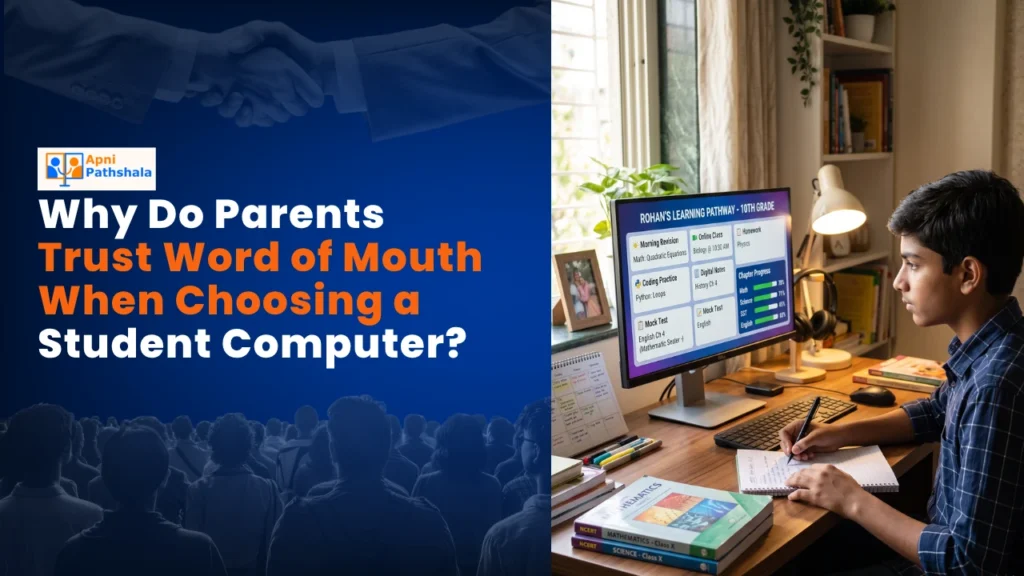
How Mrs. Sharma’s Search Led Her to Trust Word of Mouth
Priya Sharma sat in her kitchen in Indore, scrolling through laptop reviews on her phone at 11 PM. Her son Arjun was entering Class 9, and she needed to buy him a computer before the new academic year started. She’d already visited three electronics shops, read countless online reviews, and felt more confused than ever. Then her neighbour Mrs. Patel knocked on the door with chai and a simple question: “Why don’t you ask other parents what they bought their kids?” That single conversation changed everything for Priya.
Word of mouth isn’t just casual gossip in Indian families. When you’re deciding on something as important as a computer for your child, you want real experiences from people you trust. Priya spent the next week talking to parents at her son’s school, asking friends, and listening to what actually worked for other families. No marketing jargon, no flashy ads, just honest feedback about what their children were using to study, code, and create.
Why Parents in Tier 2-3 Cities Trust Recommendations Over Ads
Parents like you in cities like Indore, Nagpur, Lucknow, and Surat don’t have access to the same retail options as metropolitan areas. You can’t walk into ten different stores to compare computers side by side. This is exactly why word of mouth becomes your most valuable tool. When another parent tells you their child’s computer works great for online classes, coding practice, and school projects, you believe them because they’re living the same reality you are.
Trust takes time to build, but recommendations from neighbours and school friends build it instantly. You know these people. You see their children. You understand their budget constraints because they’re similar to yours. A parent’s honest feedback carries more weight than any advertisement ever could.
The real power of word of mouth lies in specific details. Mrs Patel didn’t just say “get a good computer.” She told Priya exactly why she chose what she did: her daughter needed something that could handle online classes without lagging, run educational software smoothly, and last through multiple years of school. She talked about battery life, screen quality, and how the computer performed during video calls. These specifics matter when you’re making a decision that’ll impact your child’s learning.
What Parents Actually Talk About When Choosing a Student Computer
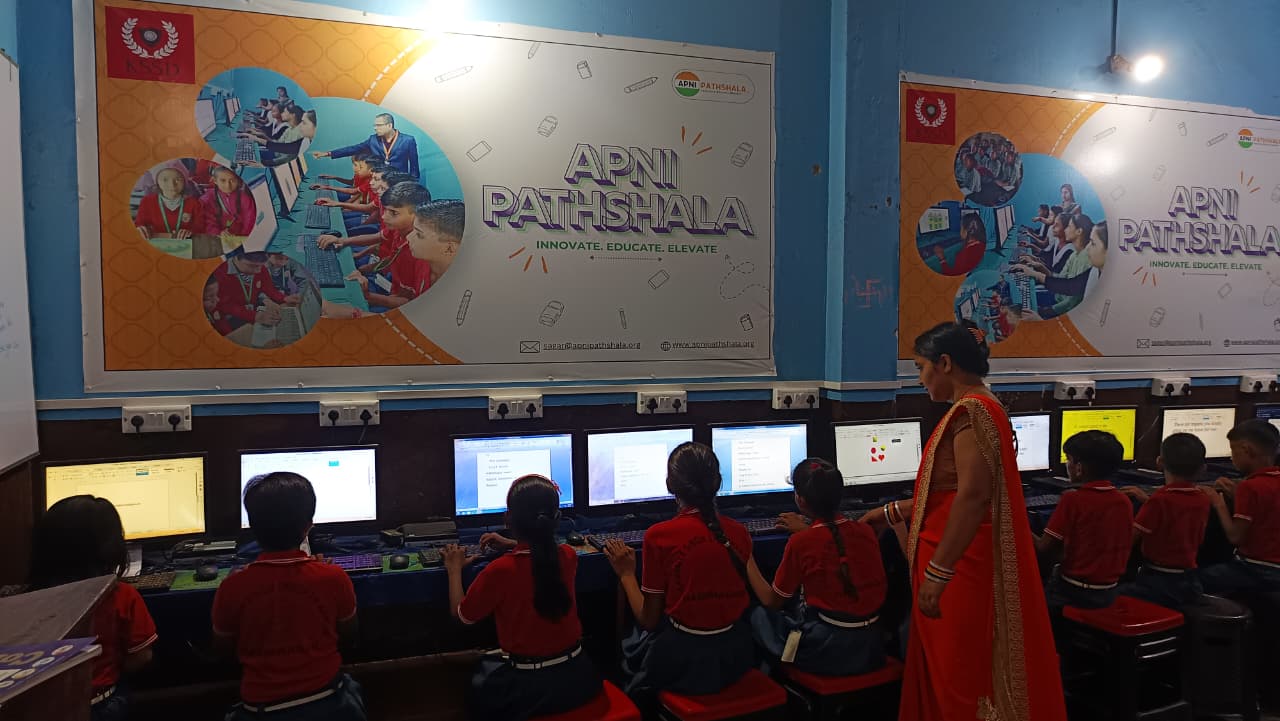
When parents recommend a student computer to each other, they focus on what matters for education:
- Performance for schoolwork: Can it handle Google Meet, YouTube, and multiple tabs without freezing?
- Affordability: Does it fit a reasonable budget without compromising on quality?
- Durability: Will it survive being carried to coaching classes and used daily?
- Software that supports learning: Does it come with tools students actually need for their studies?
- Parent monitoring features: Can you keep track of what your child is doing online?
These aren’t random concerns. They come from real parents solving real problems. When you hear that another parent’s child is using a particular student computer for coding classes, math practice, and online school, you’re getting evidence that actually matters to your situation.
The best part of word-of-mouth recommendations is that they often highlight problems you wouldn’t think to ask about. A parent might mention that their child’s previous computer got too hot during long study sessions, or that the keyboard wasn’t comfortable for typing assignments. These practical insights help you avoid mistakes before you make them.
Building Community Through Honest Recommendations
In tier-2 and tier-3 cities, parents create informal networks where information flows naturally. School WhatsApp groups, coaching centre waiting areas, and neighbourhood gatherings become places where real product discussions happen. This community-based approach to choosing a computer means you’re not shopping alone. You’re making decisions with the collective wisdom of parents who’ve already walked this path.
When Mrs Patel recommended a particular computer to Priya, she wasn’t just giving advice. She was saying, “I’ve tried this, my child uses it daily, and I’m confident enough to suggest it to you.” That confidence matters. That’s the kind of endorsement that can’t be bought with advertising budgets.
Parents also appreciate recommendations because they come without pressure. Unlike a shop owner trying to sell you the most expensive model, a parent friend wants you to make the right choice for your child’s needs and your family’s budget. They’re not earning commission on the sale. They’re just sharing what worked.
The Role of Trusted Brands in Word of Mouth
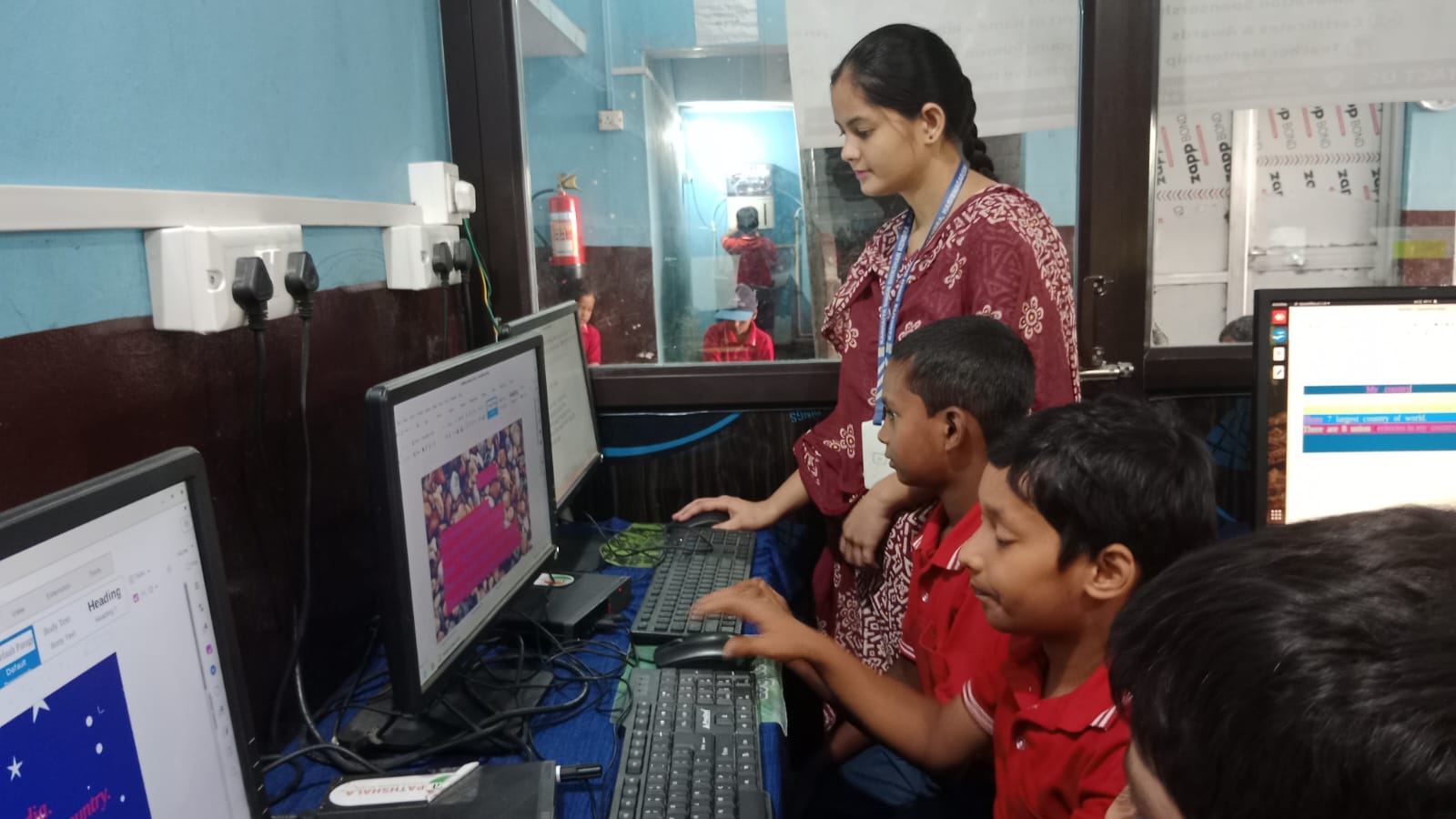
Word of mouth works best when it connects to brands that parents can actually trust. Check out how parents choose computers for students, and you’ll see that recommendations cluster around products designed specifically for education. When a student computer comes pre-loaded with learning software, includes parental monitoring features, and runs on reliable technology, parents feel confident recommending it.
The Apna PC computer represents exactly what parents talk about when they’re making recommendations. At Rs. 30,000 (excluding shipping and GST), it’s priced for Indian families. It comes with 8GB RAM and 128GB SSD for smooth performance. The pre-loaded software includes Zorin OS, LibreOffice for document work, Scratch for coding, and Apni Prerna for parents to monitor their child’s computer use. This isn’t just a device. It’s a complete solution that parents can confidently recommend to other parents.
When you search for the best student computer in India, you’ll find that recommendations consistently point toward computers that balance performance, affordability, and educational value. These are the machines that parents actually talk about in their networks.
How Digital Literacy Is Changing Parent Recommendations
India’s Digital India initiative has raised parents’ awareness of technology’s role in education. You’re not just looking for a device to keep your child entertained. You’re investing in their digital literacy, coding skills, and ability to learn through online platforms. This shift has made word-of-mouth recommendations even more valuable because parents are discussing real educational outcomes.
The history of the personal computer shows how technology has evolved into an essential part of education. Today’s student computers aren’t luxury items. They’re tools that help your child compete in a digital world. Parents understand this, and their recommendations reflect this understanding.
Making Your Own Recommendation Circle
You don’t have to wait for someone to recommend a computer to you. Start your own conversations. Ask other parents what they bought. Share your experience once you’ve made your choice. This builds the kind of trust that makes communities stronger and helps families make better decisions.
When you choose a computer like Apna PC, you’re not just buying a device. You’re investing in something you can confidently recommend to other parents in your circle. You’re joining a community of parents who believe in making smart, informed choices for their children’s education.
The next time a parent asks you for a recommendation, you’ll have a real answer based on real experience. That’s the power of word of mouth. That’s why parents trust it more than any advertisement. Your recommendation might be exactly what another family needs to make their decision.
Start your search for the right student computer today by talking to parents in your community. Visit apnapc.com to learn more.