


Anjali’s Study Corner Problem
Anjali’s parents bought her a full-size desktop tower last year, before anyone told them a mini PC for students could fit the same work into a quarter of the space. It cost Rs.28,000, came with a 21-inch monitor, and promised to last five years. But in their two-bedroom flat in Indore, Anjali shares a room with her younger sister. The tower sits on a small wooden table, takes up half the desk space, and the CPU fan noise keeps her sister awake during late-night study sessions. When Anjali needs to move to the living room for better light, she can’t. The desktop stays put. Her parents are frustrated. They’re now wondering: could a mini PC for students have been the smarter choice?
What Is a Mini PC and Why It Works for Small Study Spaces
A mini PC is a compact desktop computer about the size of a large book or a small shoebox. It’s not a laptop, and it’s not a phone. It’s a full computer that sits on your desk, connects to an external monitor, keyboard, and mouse, and runs real software like LibreOffice, web browsers, and coding tools. Think of it as a desktop computer that respects your space.
For students in small Indian homes, a mini PC solves a real problem. Your study table stays clear. You can move the entire setup from your room to the kitchen table, to your parent’s office, or even to a relative’s house in minutes. No heavy tower. No cable mess. Just a small box, a monitor, and your workspace.
A small form factor computer like this uses 30-40% less electricity than a traditional tower desktop. Your family’s power bill goes down. The device runs almost silently, so your sister won’t complain about noise at 10 PM when you’re finishing your project.
Mini PC vs Laptop vs Full Desktop: What’s Right for Your Home?
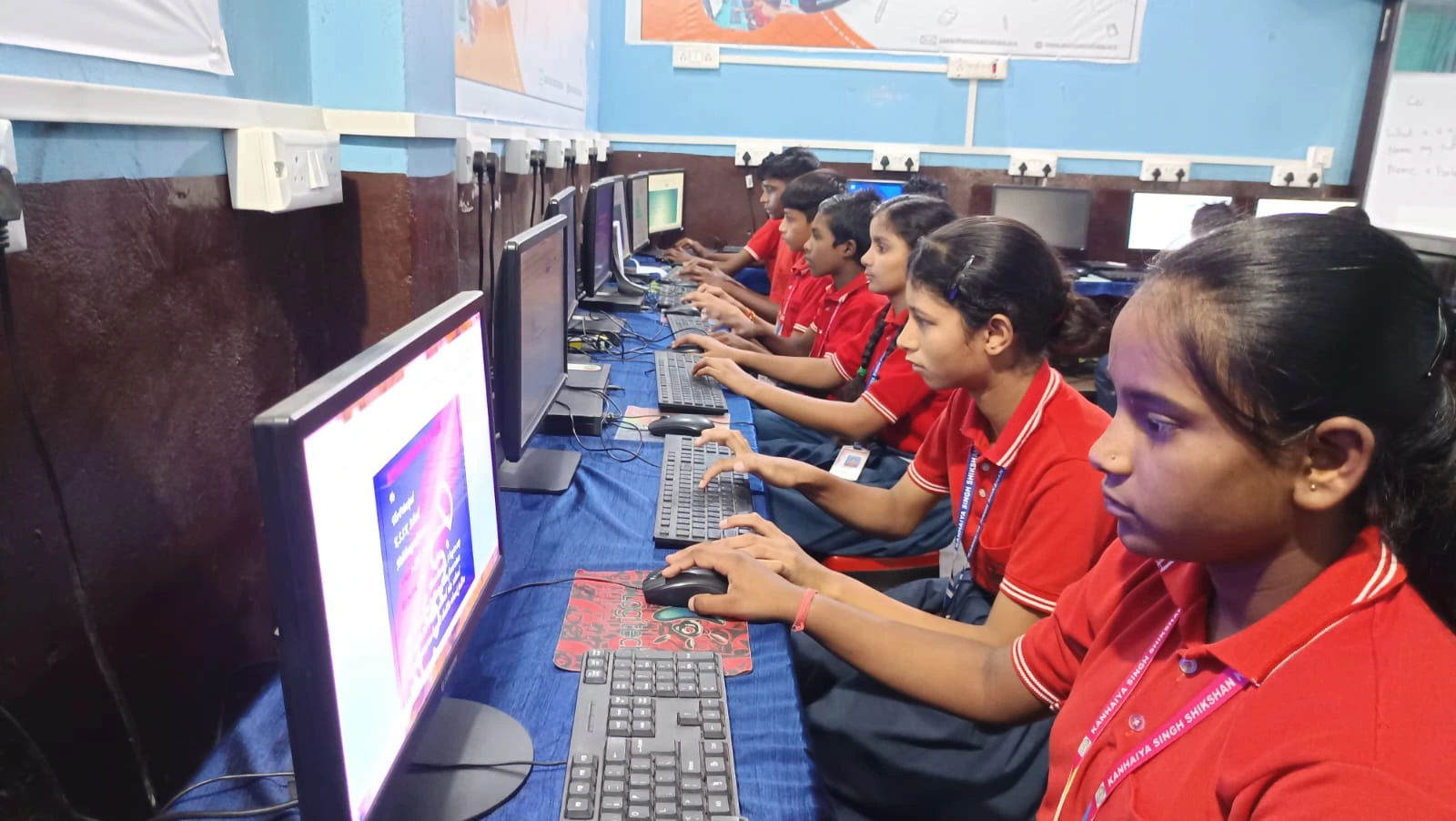
Let’s be honest about the trade-offs. A laptop is portable. You can study on the bus, in a park, or at a friend’s house. But a laptop keyboard is cramped, the screen is small, and after two years of daily use, the battery dies. You’ll spend another Rs.5,000-8,000 on repairs.
A full-size desktop tower is powerful and cheap. But it’s heavy, loud, takes up half your desk, and you can’t move it. If your family renovates your room or you need to shift rooms, you’re stuck.
A mini PC for students offers a middle ground. It’s powerful enough for online classes, document work, coding, video editing, and research. It’s quiet and space-saving. You can move it between rooms in seconds. The catch: you need a monitor, keyboard, and mouse. You can’t use it on the move. For a fixed study corner at home, though, this is rarely an issue.
Why a Mini PC for Students Fits Indian Homes
Apna PC is a mini PC designed specifically for Indian students. It costs Rs.30,000 (shipping and GST excluded) and comes fully loaded. You get the mini PC itself, a monitor, keyboard, mouse, webcam, and headset. Everything you need to start learning today.
Inside, there’s 8GB RAM and 128GB SSD storage. That’s enough to run 20-30 browser tabs, open LibreOffice documents, and store your school projects without lag. The system comes with Zorin OS, a free operating system that works like Windows but costs nothing. It’s also pre-loaded with LibreOffice for writing essays, Scratch for learning coding, and Apni Prerna, a tool that helps you track your study progress and stay focused.
Your parents get peace of mind with a 3-year warranty. If something breaks, Apna PC takes care of it. There’s no hidden cost or repair shock six months down the line.
Apna PC is built by Apni Pathshala, an organisation focused on education access in India. Every device is tested and optimized for the kind of work students actually do: online classes, typing assignments, research, and projects.
Why a Mini PC for Students Wins on Small Study Tables
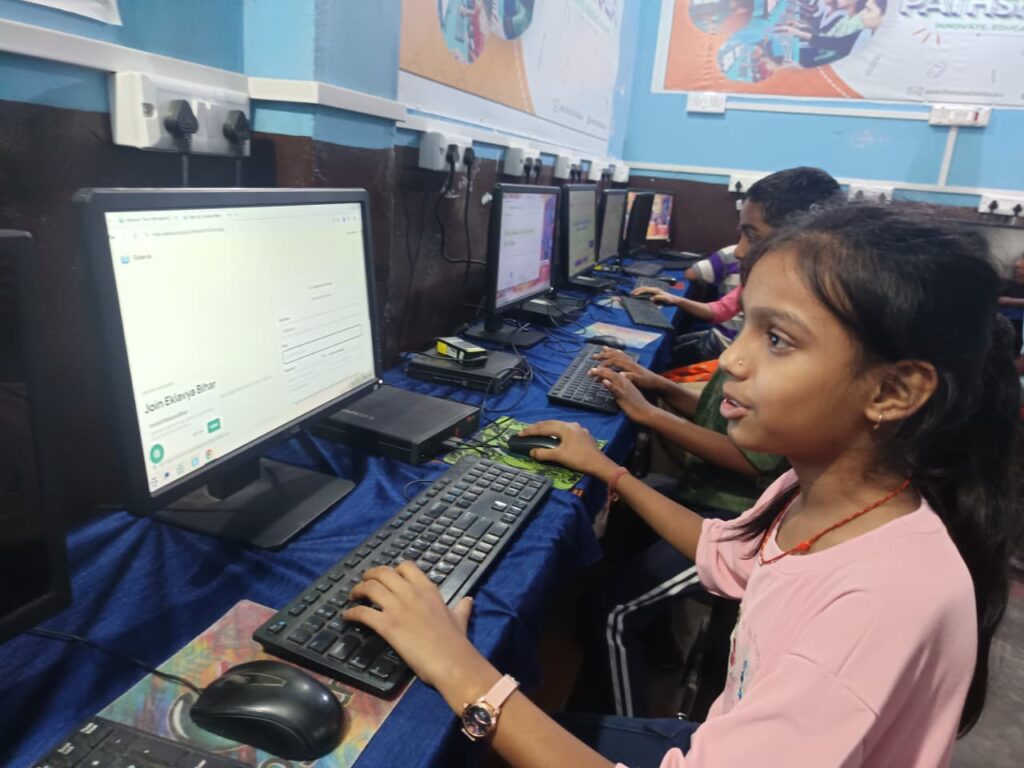
In most Indian homes, especially in Tier 2 and Tier 3 cities, a study table is shared or small. Your brother needs space for his books. Your mom uses it to fold clothes. Your dad spreads out papers for work. Every inch counts.
This is where a mini PC for students pulls ahead. It takes almost no space. A tower desktop can take up 40-50% of your desk. A mini PC takes maybe 10%. That’s the difference between having room for your books, your water bottle, and your notes, or having to stack everything on the floor.
A compact desktop also keeps your desk calm. When you’re preparing for board exams or entrance tests like JEE or NEET, you need a clear, organized workspace. Clutter kills focus. A compact desktop gives you that clarity without compromise.
Is a Mini PC Right for You?
A mini PC is right for you if you study in a fixed location at home. It’s right if your family values quiet and low power use. It’s right if you want to move your setup between rooms without heavy lifting. It’s right if you need real software for coding, design, or document work, not just a tablet or phone.
A mini PC is not right if you need to study outdoors, on commutes, or in different locations every day. For that, a laptop makes more sense, even with its limits.
For most Indian students in shared homes, though, a mini PC is the smarter choice. It’s affordable, powerful, quiet, and space-saving. It’s also part of the Digital India initiative, making quality computers available to students who need them most. You can also use it to prepare college application documents without any trouble.
If you’re trying to decide between a bulky desktop and a laptop, consider a mini PC for students instead. It might be exactly what your study corner needs. Visit apnapc.com to learn more.