

Introduction
In almost every household today, children are surrounded by technology. Screens are everywhere, information is instant, and learning resources are unlimited. Yet, despite this abundance, many parents feel something is missing. Children complete homework, attend classes, and even score well, but they often lack confidence, curiosity, and the ability to learn on their own.
This contradiction reveals an important truth. Learning does not improve simply because tools are available. Learning improves when children feel a sense of control and responsibility over what they are doing. Without that ownership, even the best resources fail to create a lasting impact.
Why Most Learning Still Feels Forced
Traditional education systems were designed for efficiency, not independence. They move all children at the same pace, reward correct answers more than understanding, and define success through external validation. Over time, children adapt to this structure by waiting for instructions instead of asking questions.
Learning slowly becomes an obligation rather than a choice. Children study because they are told to, not because they want to. Even highly capable students can struggle once the structure is removed, because they were never trained to manage their own learning.
This dependency is not a failure of the child. It is a limitation of the system.
The Shift That Changes Everything
A meaningful shift occurs when learning moves from being controlled externally to being guided internally. When children begin to see learning as something that belongs to them, their relationship with education changes completely. They start exploring topics without being pushed. They revisit concepts out of curiosity. They learn because understanding feels rewarding.
This shift cannot be created through motivation alone. It requires an environment that supports independence while still providing structure. That is where personal learning systems begin to matter.
Learning Ownership in the Digital Age
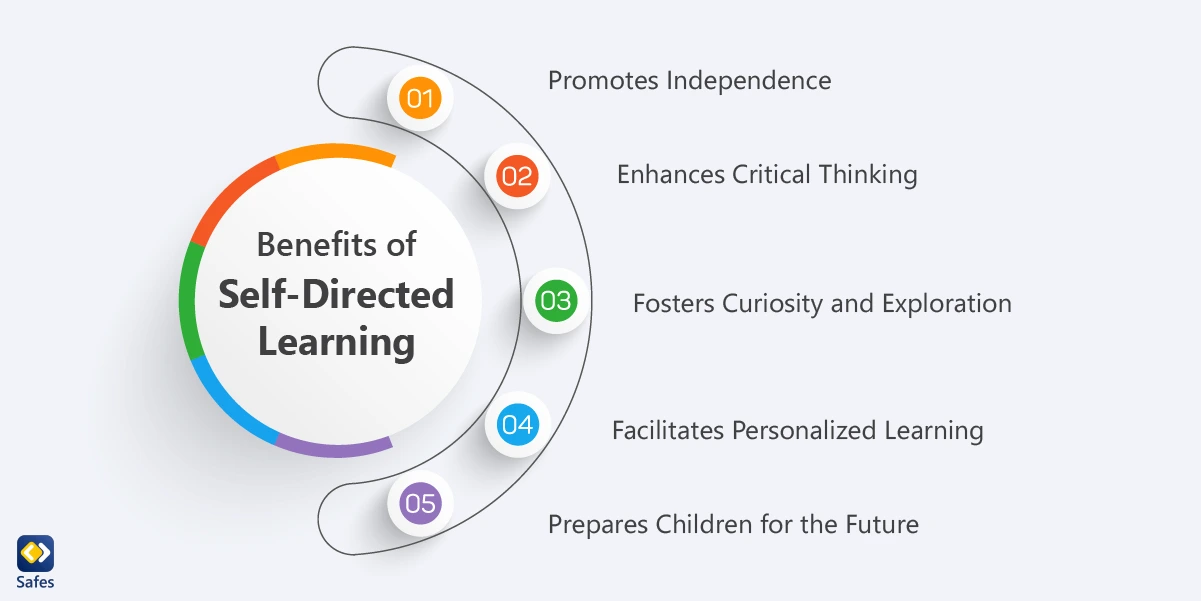
Ownership does not mean leaving children unsupervised. It means giving them a space where they can make decisions, track their progress, and reflect on what they are learning. In the digital age, this ownership often takes the form of a dedicated learning system rather than a general-purpose device.
A system like Apna PC is designed around this exact idea. It is not positioned as entertainment or casual usage. Instead, it becomes a stable learning companion that grows with the child, encouraging responsibility and self-direction.
When children have something that is truly theirs, they treat learning with greater seriousness and care.
Confidence Grows When Progress Is Visible
One of the most powerful effects of learning ownership is confidence. Confidence does not come from marks alone. It comes from seeing progress over time. When children can look back and recognize how much they have learned, built, or understood, they develop a quiet self-belief that does not depend on comparison.
This type of confidence is resilient. It helps children handle mistakes, accept feedback, and continue learning even when things feel difficult. Instead of fearing failure, they begin to see it as part of growth.
From Completing Tasks to Building Understanding
When learning is self-directed, the goal naturally shifts from finishing tasks to building understanding. Children stop asking whether something will be on the exam and start asking why it works the way it does. They connect ideas across subjects and apply knowledge in practical ways.
This is the foundation of deep learning. It prepares children not just for academic success, but for real-world problem solving, where answers are rarely predefined.
Educational ecosystems inspired by ApniPathshala emphasize this transition by valuing mastery, reflection, and long-term growth over short-term performance.
The future will demand continuous learning. Careers will evolve, tools will change, and new skills will be required regularly. Children who grow up depending entirely on external instruction often struggle in such environments.
On the other hand, children who learn how to manage their own learning develop adaptability. They are comfortable starting from scratch, learning independently, and updating their skills when needed. These abilities cannot be taught through lectures. They are developed through daily practice in self-directed environments.
The Evolving Role of Parents
Parents play a crucial role in this transformation, but not in the traditional sense of constant monitoring or pressure. The modern role of a parent is to create the right conditions for learning to flourish. This includes choosing tools wisely, setting healthy boundaries, and trusting children with responsibility at the right time.
When parents shift from controlling learning to enabling it, children respond with greater maturity and engagement. Learning becomes a shared journey rather than a daily struggle.
Education as a Lifelong Skill
At its core, education is not about finishing a syllabus or scoring well in exams. It is about developing the ability to learn throughout life. This ability is built when children experience learning as something meaningful, personal, and empowering.
When children take control of their learning, they do not just become better students. They become confident thinkers, curious explorers, and capable individuals.
Conclusion
True learning begins when children stop waiting for instructions and start taking initiative. This transformation does not happen overnight, and it does not happen by accident. It happens when children are given ownership, structure, and trust.
In a world full of information, the greatest gift we can give children is not more content, but the ability to learn independently. That ability stays with them long after school ends, shaping not just their careers, but their confidence and character as well.