

Most Indian students share one frustration: there is never enough time. School ends late, tuition takes up evenings, and by the time everything settles, there is barely an hour left to actually sit and study with focus. Time management for students has never been more important than right now, not as a productivity trick, but as a real skill that determines who stays in control of their own future and who keeps falling behind.
What a Good Study Schedule for Students Actually Looks Like?
A study schedule is not a rigid hourly plan that collapses the moment one thing goes off track. It is a personal roadmap, one where you decide what to study, when to study it, and how long to spend on each subject. When a student builds their own study schedule, something shifts. They stop waiting for someone else to tell them what to do next. That independence alone makes learning more effective.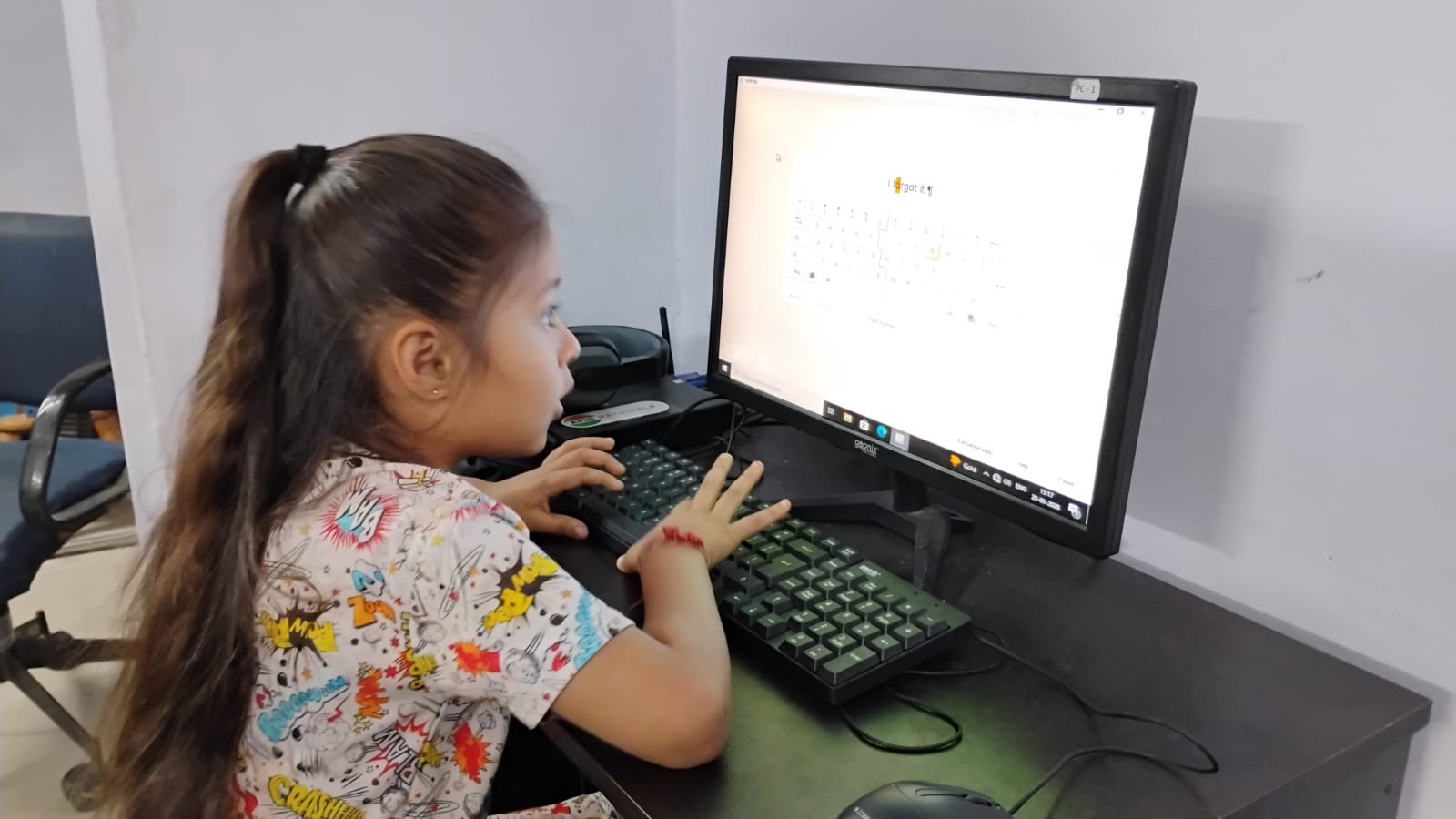
Think about it: when you are following a plan you built yourself, you are far more likely to stick to it. A good schedule builds in time for revision, practice, breaks, and review, not just non-stop reading. It accounts for real life: the tired evenings, the busy weekends, the days when motivation is low, and structure is the only thing that carries you through.
Even 30 minutes of focused, self-planned study every day adds up to over 180 hours in a year. That is not a small number. That is the difference between a student who is always catching up and one who is always one step ahead.
How Effective Study Time Management Works in Practice
Effective study time management does not mean studying for more hours. It means using the hours you already have much better. A student who studies three focused hours every day will consistently outperform someone who half-studies for six hours while drifting in and out of attention.
When you manage your time well, several things become possible:
- You cover more topics without feeling overwhelmed.
- Revision happens regularly, which means better retention before exams.
- Exam seasons feel calmer because you are never cramming at the last minute.
- You have real time left for yourself, rest, family, interests, and personal growth.
The students who consistently perform well are not always the most talented. They are often the most organised. They have learned to protect their study hours and make every hour count.
Research highlighted in the UNICEF India education report shows that structured learning environments, even at home, significantly improve student outcomes. Time is a resource. The students who treat it that way gain a real and lasting edge over those who do not.
Why Self-Learning Time Control Matters Most for Indian Students?
In India, most learning pressure comes from outside. School syllabus, tuition schedules, board exam preparation, everything is set by someone else. Very few students are ever taught to take self-learning time control seriously. And that gap ends up hurting them more than they realise.
When a student learns to manage their own time, they stop depending on external pressure to drive their learning. They build a genuine habit of studying, not just cramming before tests. This matters especially for students in Tier 2 and Tier 3 cities, where quality tuition is not always available, and students often have to figure things out on their own.
According to NCERT (National Council of Educational Research and Training), self-paced learning and regular revision cycles are among the most effective habits a student can develop, not just for passing exams, but for learning throughout life.
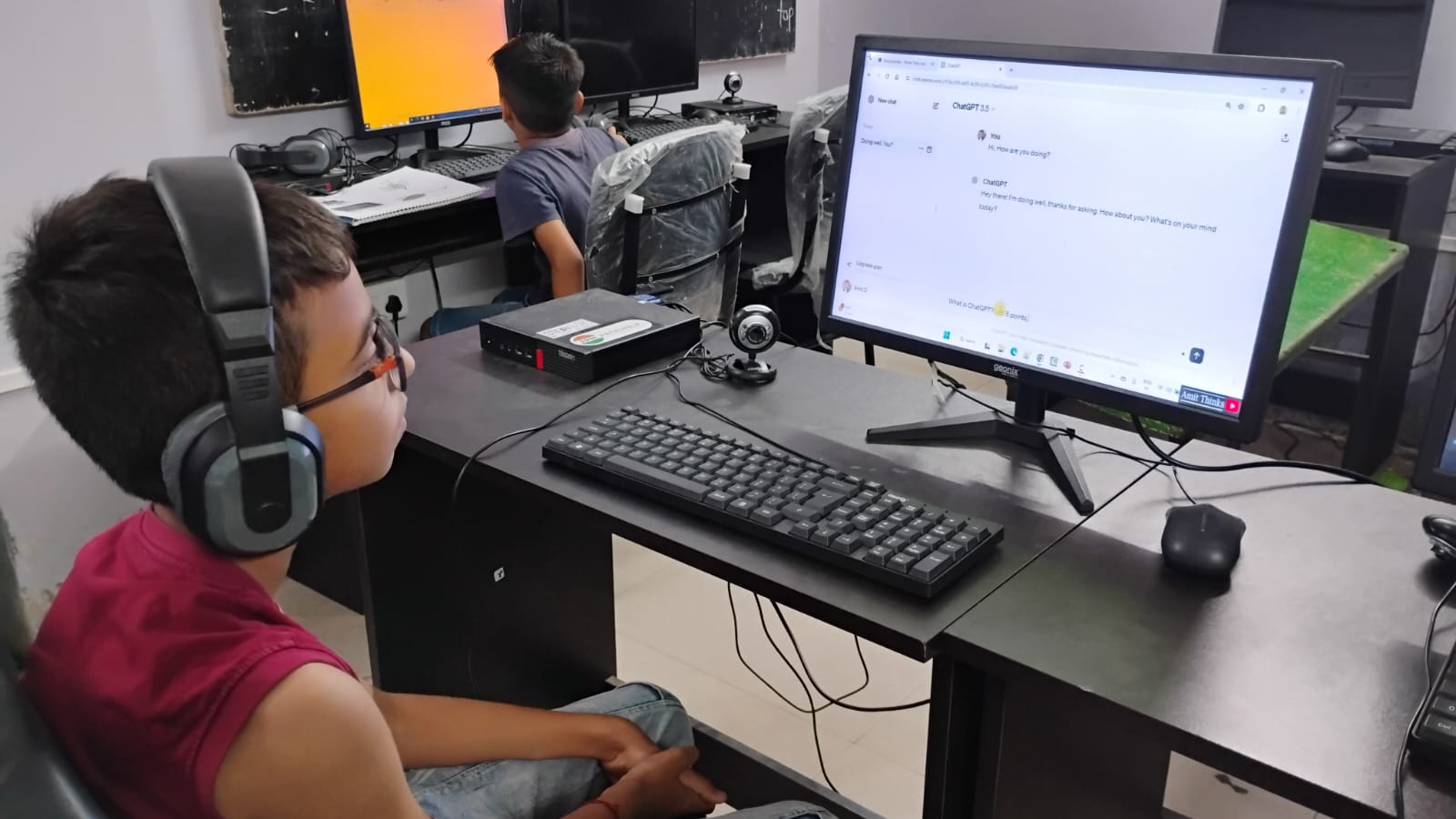
This is where having a personal computer at home becomes genuinely powerful. When a student has their own device, they can revisit concepts whenever they need to, explore subjects at their own pace, and study at whatever time works best, early morning, after school, or late at night after the house is quiet. Read more about this in our post on How a Personal Computer Helps Students Learn.
A computer does not push you. It does not expire. It waits. And that always-available space is exactly what self-managed learners need most.
That is also why Why Every Indian Student Needs Their Own Computer is such an important question to answer. Shared devices mean compromised time. If a student can only use the family phone for 30 minutes, they cannot build a real study routine. They are always working around someone else’s schedule, not managing their own.
Apna PC, priced at ₹21,000 (shipping and GST excluded), is built specifically for this, an affordable, dedicated computer that gives Indian students a real space to take control of their learning, completely on their own terms.
If you want your child to develop the vital habit of managing their own study time, provide the right environment first. Do not wait, visit apnapc.com and empower your child to take control today.