

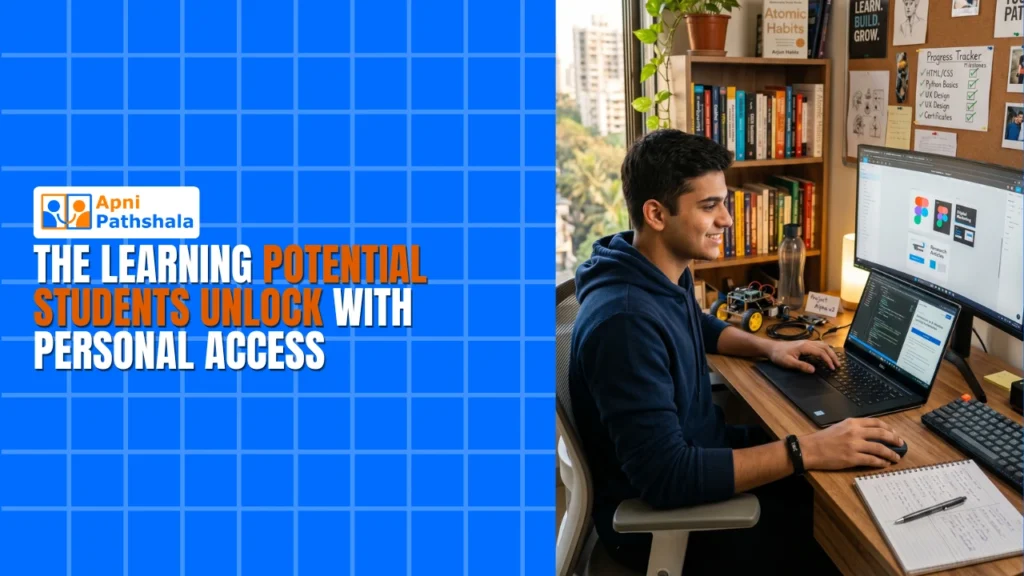
Meena’s daughter Anjali used to finish her homework on a borrowed phone. The screen was cracked. The battery died by eight in the evening, and every night she waited her turn after her brother was done with his games. For their family in Kanpur, a proper computer for students felt like a luxury meant for richer homes. Then one small change rewrote Anjali’s entire school year, and it had nothing to do with how clever she was.
What does a computer for students really change?
Most people assume a computer only helps a child type assignments faster. The truth is much bigger than that. When a student can look up a concept the moment they become stuck, learning stops feeling like a wall they keep hitting. Anjali could pause a science video, rewind it, and watch the same part again until it finally made sense. There was no teacher rushing to the next chapter. There was no fear of asking a “silly” question in front of forty classmates.
The real benefits of computers for students show up quietly, not overnight. A shy child starts exploring on their own. A weak subject slowly turns into a favorite one. Step by step, the student shifts from waiting to be taught to actually teaching themselves, which is the habit that carries them through life.
A personal screen means no waiting, no borrowing, no rush.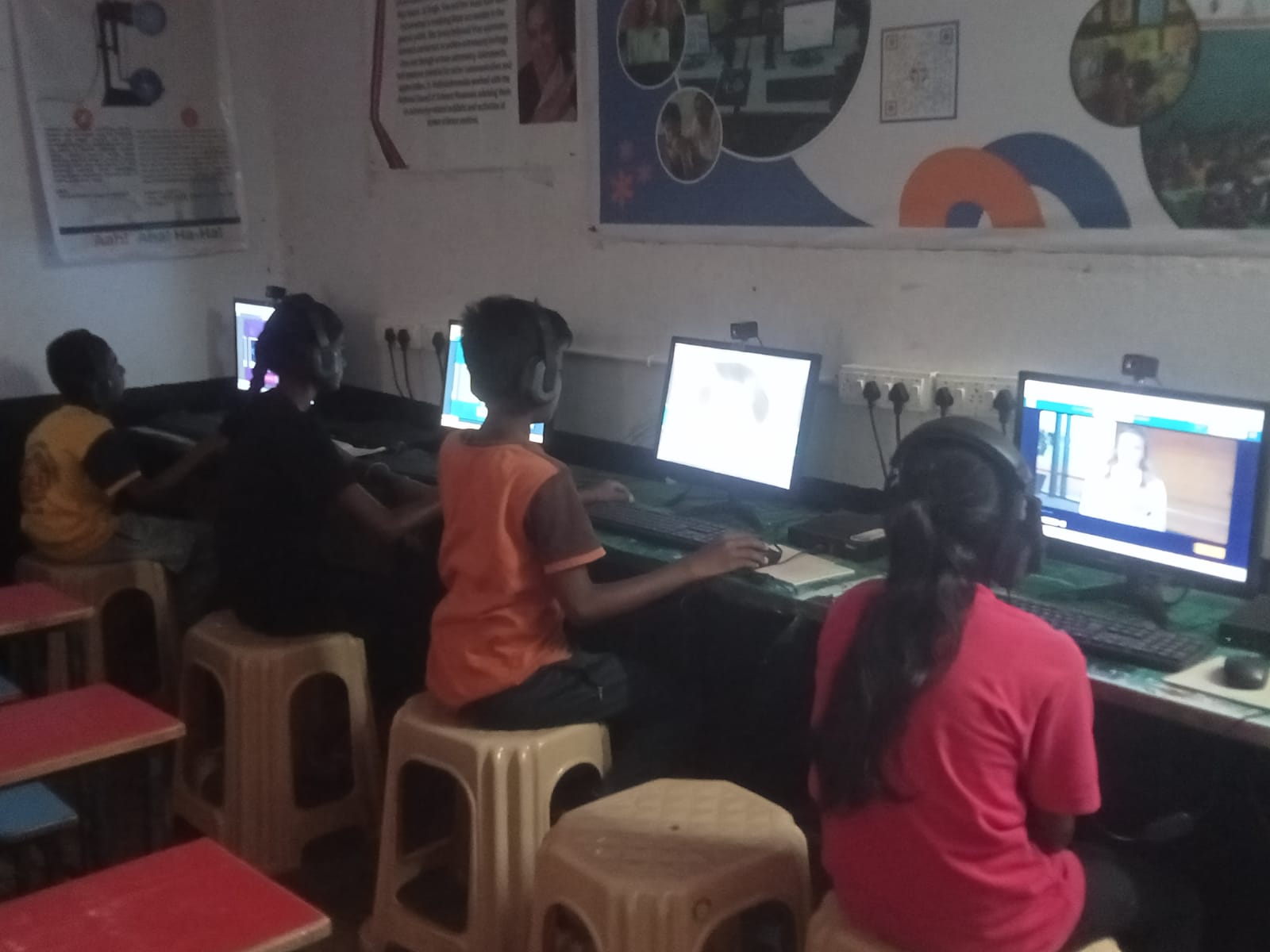
From Borrowing to Owning: Why a Personal Computer for Students Matters
There is a huge difference between using a device sometimes and owning one fully. A borrowed phone always comes with rules attached. Give it back soon. Don’t waste the data. Hurry up; others are waiting. A personal computer for students quietly removes all of that pressure from a child’s shoulders.
When the machine is truly theirs, the child sits down without guilt. They can save their work, build a neat folder of notes, and return to a half-finished project the very next morning. That sense of ownership builds something schools rarely measure on a report card: confidence. Within a few weeks, Anjali stopped saying “I can’t do this” and started saying, “Let me try it once more.”
Digital Learning Tools That Open New Doors
A computer is only as useful as what a student actually does with it. The good news is that free digital learning tools today can replace expensive private tuition for many families. Anjali used video lessons for mathematics, practice quizzes for science, and a simple word processor to write cleaner, fuller answers.
On weekends, she even began learning basic graphic design, purely for fun. That little hobby might quietly become her career one day. According to the UNICEF India education report, access to learning resources at home strongly shapes how far a child eventually goes. Findings from UNESCO global education research point to the same simple truth: opportunity tends to follow access.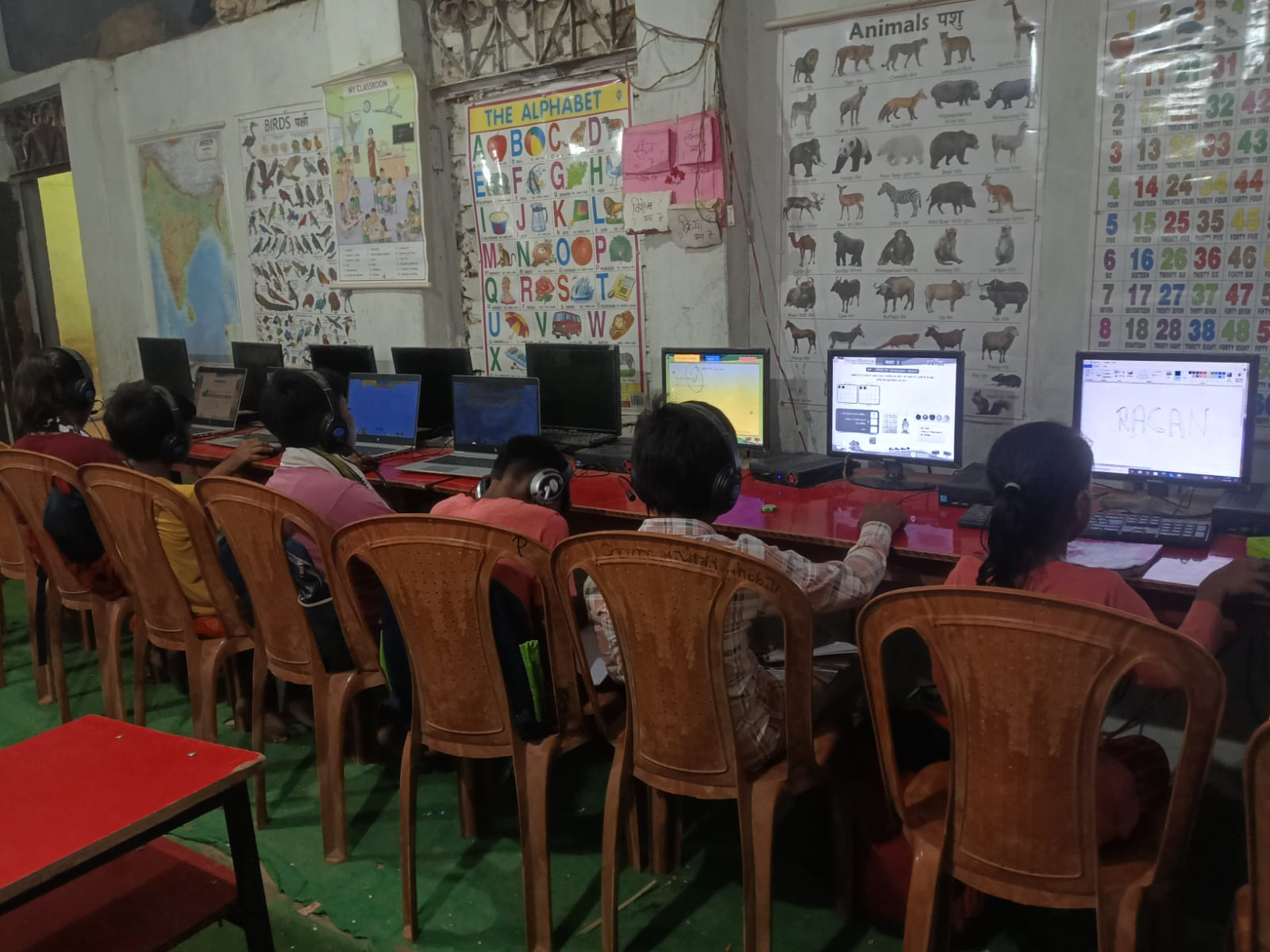
What surprised Meena most was how independent her daughter became. Earlier, Anjali needed someone sitting beside her for every small doubt. Now she searches, tries, and fixes things on her own. That single shift, from depending on others to trusting herself, is worth more than any single grade on a report card.
Free learning tools can replace costly tuition for many homes.
Why This Matters for Indian Families
Most parents in Tier 2 and Tier 3 cities are not against technology at all. They simply cannot stretch the household budget to a ₹50,000 laptop. That is exactly the gap an affordable computer for students is built to close. If you want to dig deeper, read Why Every Indian Student Needs Their Own Computer and How a Personal Computer Helps Students Learn.
Think about a family that runs a small shop or earns daily wages. For them, every rupee carries real weight. A device that costs as much as two months of income simply stays out of reach. But when the same learning power arrives at a fair price, the whole equation changes for that household.
When the price finally feels fair, the decision becomes easy for a parent to make. A child no longer has to share, wait, or borrow just to study. They simply learn, every single day, at their own steady pace inside their own home. That is the quiet learning potential a personal computer unlocks for a student.
Anjali’s marks did improve, but the bigger win was that she finally believed she could grow. Give your child that same quiet confidence with Apna PC for ₹21,000 (shipping and GST excluded). Visit apnapc.com to learn more.