


Sunita stood at the door of her two-room home in Nagpur, watching her daughter Kavya type an assignment on a cracked phone screen. The school had asked for a project in a document format. Kavya had been at it for two hours, zooming in and out, losing paragraphs, starting over. Sunita could not help. She had never used a computer herself. That evening, a neighbour mentioned Apna PC, an educational computer built for Indian students, priced at Rs.30,000. Sunita assumed it was just another machine. What she found was a full learning system that came with the computer.
What Apna PC Adds Beyond the Hardware
A generic computer arrives empty. You then spend weeks installing software, hunting for free tools, and worrying about what your child might stumble into online. The system arrives ready to study. The system ships with Zorin OS, a clean operating system that keeps the desktop simple and distraction-free, plus LibreOffice for documents and presentations, and Scratch for learning to code.
That pre-loaded setup saves you the hardest part of buying a computer: knowing what to put on it. Your child opens the lid and starts working the same day.
Parental Control Is Built In, Not Bolted On
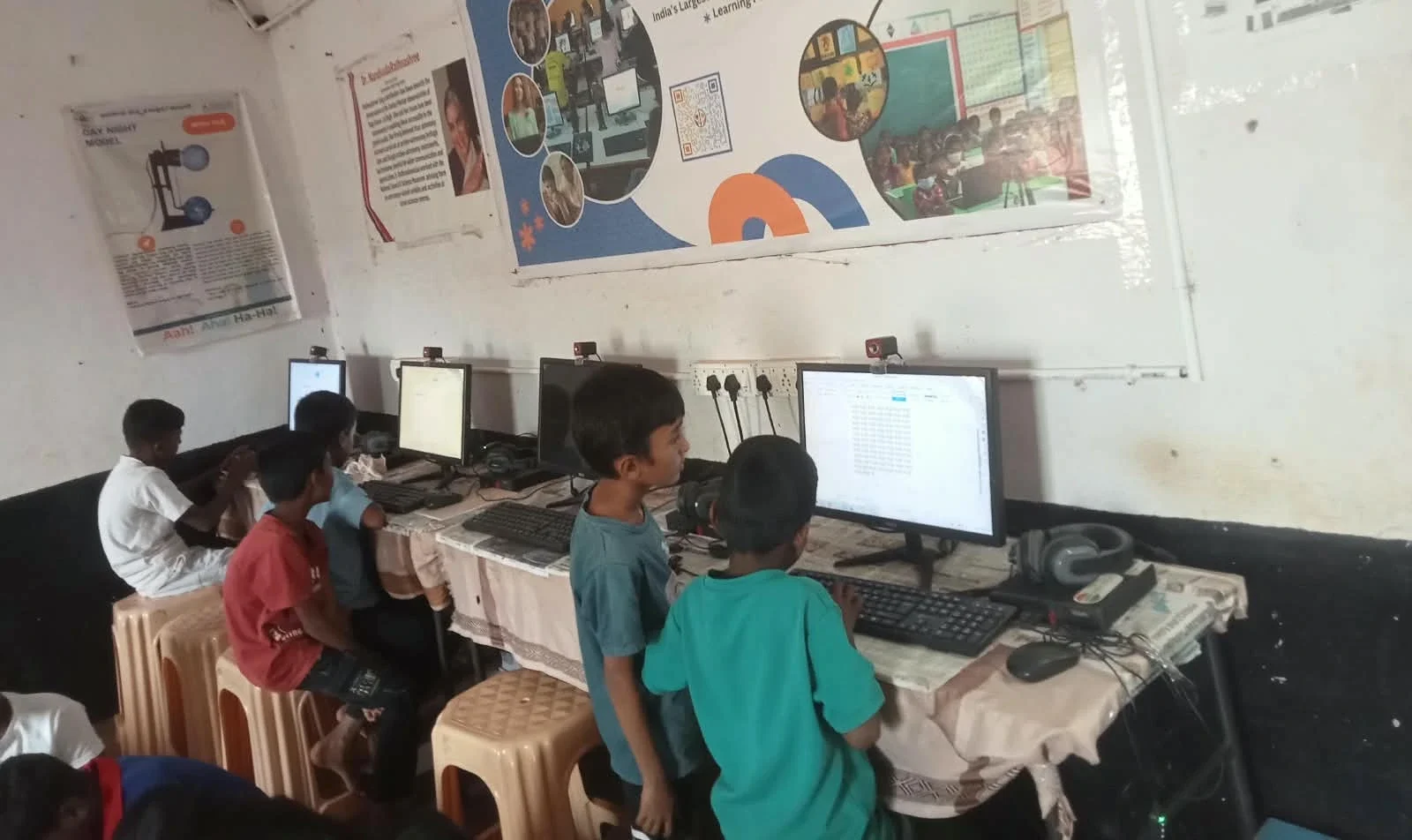
Most parents in tier 2 and tier 3 cities worry about two things: screen time and unsuitable content. Apna PC includes Apni Prerna, a student monitoring system that lets you see how the machine is being used. You can set study hours, restrict websites, and check whether your child is actually working or drifting.
This is not about spying. It is about knowing. When a machine sits in the living room, and you understand what it does, the arguments about screen time get shorter and calmer. That single feature is often the reason parents choose Apna PC over a cheaper desktop from a local shop, because a plain machine leaves them guessing every evening.
The Hardware Is Chosen for Study, and It Shows
The 8GB RAM and 128GB SSD are sized for real schoolwork, not for gaming. Online classes run without stutter. Ten browser tabs and a document open at once do not freeze the screen. Your child can attend a class, take notes, and save a file without the machine giving up halfway.
- No gaming distractions: the system is set up for learning, so focus stays where it belongs
- Works offline: assignments and practice continue even when the internet drops
- Easy to repair: standard parts mean local service, not an expensive trip to a branded centre
- Built to last: the same machine can carry your child through school and into college
Reliability sounds boring until exam week arrives. That is when a computer that does not fail matters more than one with better numbers on a spec sheet. If you are weighing a single shared family machine against a dedicated study setup, read this guide on one good family computer before you decide.
Why Apna PC Support Matters After the Sale
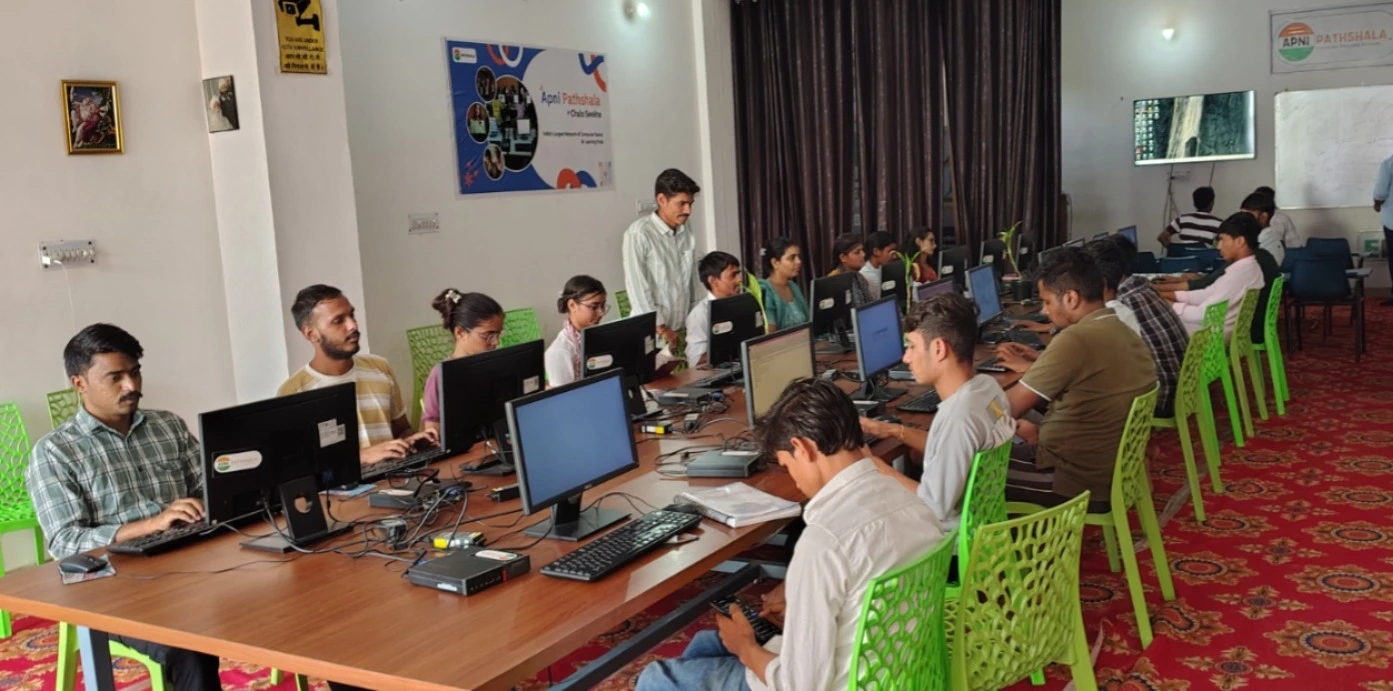
A computer bought from a marketplace gives you a warranty card and a helpline queue. Apna PC comes from Apni Pathshala, an Indian education organisation that works with schools and families. Setup help, troubleshooting, and questions about the learning features are handled by people who understand the Indian classroom, not a script reader three time zones away.
The Digital India initiative has pushed computer access into smaller towns for years. But it can’t choose the right machine for your home. That part is still yours.
Your Child Learns Skills That Transfer
Typing, file management, spreadsheets, presentations, and basic coding are learned on a keyboard and mouse, not a touchscreen. Competitive exams, college applications, and most office jobs assume these skills. A child who only ever used a phone arrives at that point starting from zero.
Scratch turns coding into something a Class 6 student can enjoy. LibreOffice teaches the same document skills used in offices across the country. UNESCO education research keeps pointing to digital literacy as a core skill rather than an optional extra, and the India Ministry of Education has made computer education part of the school roadmap.
What This Costs, and What Waiting Costs More
Rs. 30,000 buys the machine, excluding shipping and GST. Compare that with a mid-range smartphone that gets replaced every two years and still cannot run a proper assignment. A study computer is not a gadget. It is furniture for learning, and it stays useful for years.
Wait a year, and your child spends another year borrowing a phone, missing deadlines, and believing that computers are for other children. The gap does not close by itself. It widens quietly, one assignment at a time.
Sunita bought the machine in June. By October, Kavya was submitting typed projects and teaching her mother to send email. Visit apnapc.com to learn more.