

In many households and classrooms today, a child who can recite answers flawlessly is often seen as “doing well.” Good marks, completed notebooks, and quick responses give an impression of success. But beneath this surface achievement lies a crucial question every parent and educator must ask: Is the child truly learning, or simply memorising?
Understanding the difference between real learning vs rote learning is essential in a world that demands critical thinking, adaptability, and lifelong curiosity not just exam performance.
The Illusion of Learning in Modern Schooling
Traditional education systems still rely heavily on repetition. Children are encouraged to memorise definitions, formulas, and answers, often without understanding their meaning or real-world application. This approach may deliver short-term results, such as passing exams, but it creates a memorization problem in schools that becomes visible as children grow older.
Many students struggle to:
-
- Apply knowledge to new situations
-
- Explain concepts in their own words
-
- Think independently or creatively
-
- Solve unfamiliar problems
When learning is limited to memorisation, knowledge remains fragile. It fades quickly once exams are over and rarely transfers to real-life situations.
What Does Real Learning Actually Look Like?
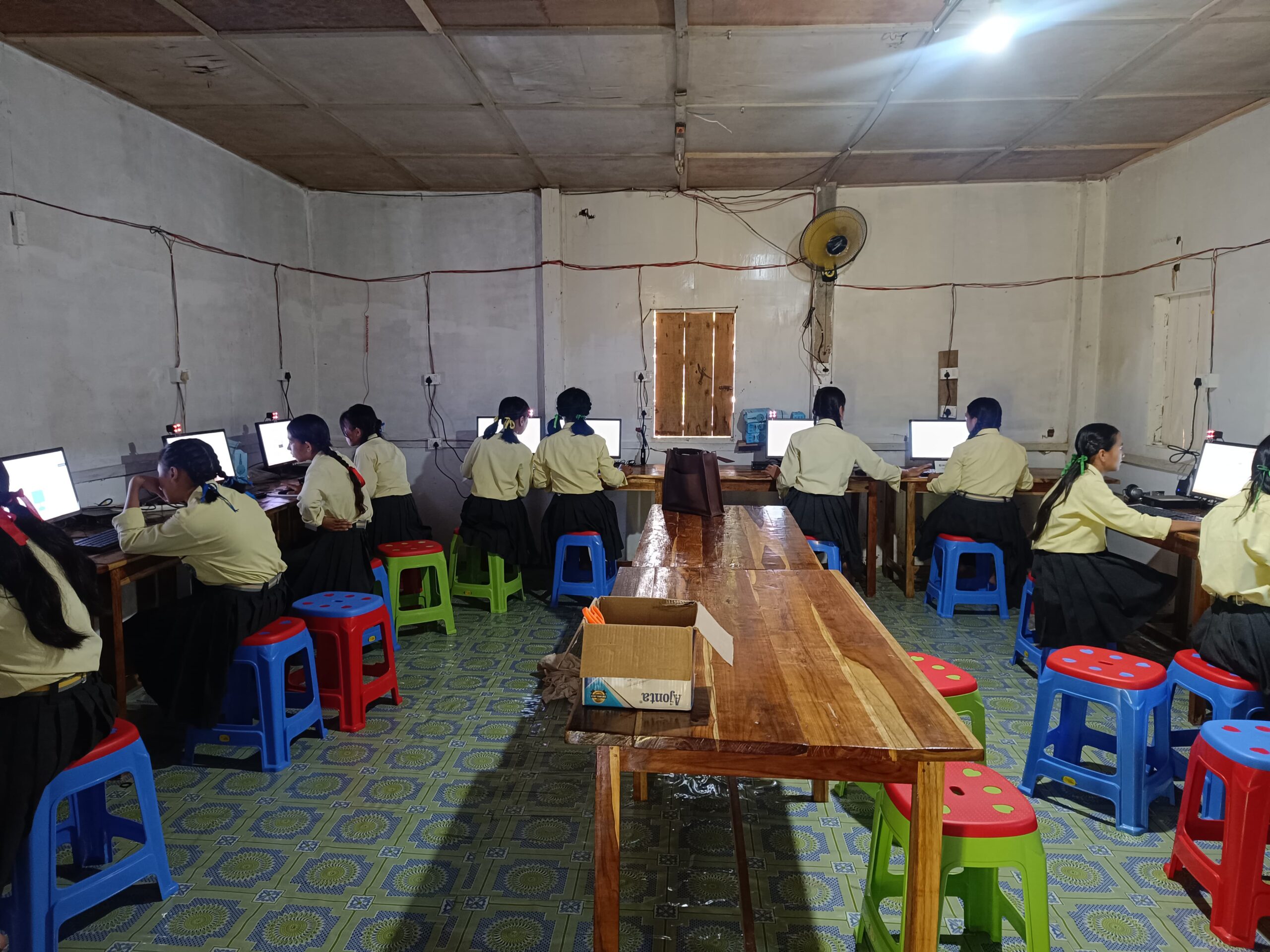
Real learning goes far beyond recalling information. It is about understanding, connecting ideas, and using knowledge meaningfully. A child who is truly learning can ask questions, make mistakes, and still confidently explore answers.
Key characteristics of real learning include:
-
- Curiosity-driven exploration
-
- Conceptual understanding rather than answer recall
-
- Ability to explain “why” and “how,” not just “what”
-
- Applying knowledge across subjects and situations
In contrast, rote learning focuses on repetition without context. While memorization has its place such as learning tables or basic vocabulary—it should never be the foundation of education.
Why Memorisation Fails Children in the Long Run
The overuse of rote methods affects children more deeply than we realize. It can reduce confidence, limit creativity, and make learning feel like a burden rather than a joy. Over time, children may begin to believe that intelligence is about remembering answers, not thinking independently.
This approach also discourages:
-
- Critical thinking
-
- Problem-solving skills
-
- Emotional engagement with learning
-
- A growth mindset
As the world evolves, learning methods for kids must shift from content-heavy memorization to skill-based understanding.
How Better Learning Methods Can Transform a Child’s Mindset
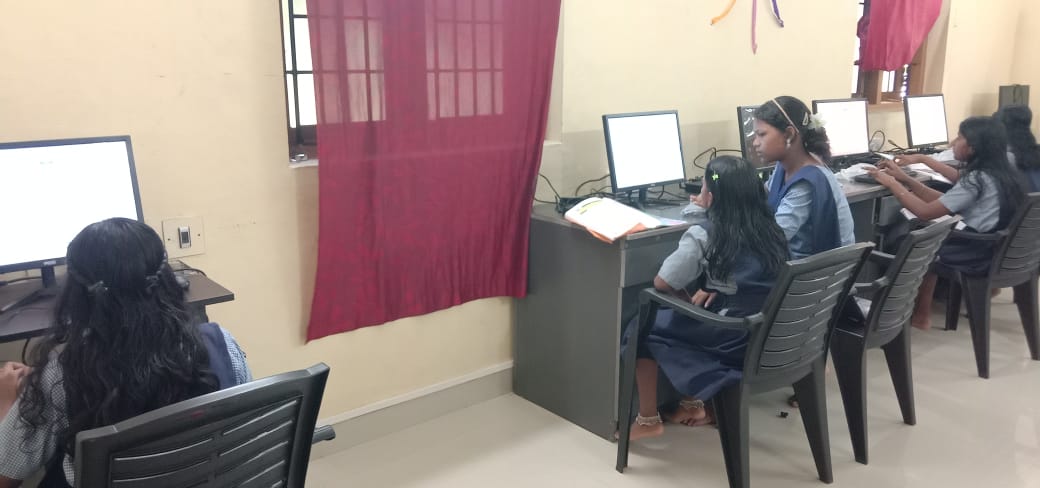
When children are encouraged to explore, question, and experiment, learning becomes meaningful. Effective learning methods focus on:
-
- Hands-on experiences
-
- Real-life examples
-
- Open-ended discussions
-
- Reflection and self-expression
Such methods help children develop clarity, confidence, and a love for learning. They also prepare them for challenges beyond textbooks—whether in higher education, careers, or everyday life.
The Role of Parents and Educators
Parents and teachers play a critical role in identifying whether a child is genuinely learning. Instead of asking, “Did you finish your homework?”, questions like “What did you understand today?” or “Can you explain it in your own words?” can reveal much more.
Creating an environment where understanding is valued over marks helps children feel safe to think, explore, and grow at their own pace.
Moving From Memorisation to Meaning
The goal of education should never be limited to exams. True education builds thinkers, not just test-takers. When we shift focus from rote learning to real learning, we empower children to become confident, curious, and capable individuals.
The next time your child gives a perfect answer, pause for a moment and ask: do they understand it or have they just memorized it?
The answer to that question can shape their future far more than any report card ever will.
Ready to Move Your Child Beyond Memorization?
True learning begins when children are given the freedom to think, explore, and understand beyond textbooks and exams. If you want your child to develop real-world skills, critical thinking, and a genuine love for learning, it’s time to look beyond rote methods.
Discover learning environments that focus on understanding, curiosity, and growth where children learn how to think, not just what to remember. Take the first step toward meaningful learning today.