


Ravi’s Story: When a Computer Came Home
Ravi sat at the kitchen table in his Indore home, struggling with his Class 8 science project. His mother hovered nearby, unable to help. Like many Indian students, he didn’t have consistent access to a computer for homework assignments. The library was 3 kilometres away, and his father’s office computer wasn’t available after 6 PM. Everything changed when his parents bought him a dedicated study computer. His approach to learning transformed completely within weeks.
The Problem: Shared Devices and Lost Study Time
Before getting his own computer, Ravi faced real obstacles. His father’s laptop was locked away for work calls. The internet cafe near his house charged Rs.30 per hour, which added up quickly. Ravi’s younger sister needed the tablet for her online classes. He’d spend 20 minutes waiting for turns instead of 20 minutes actually doing his assignments.
This situation isn’t unique to Ravi. Across India, many students rely on shared family devices, a cyber cafe, or a shared setup for homework. The result? Interrupted study sessions, delayed project submissions, and frustrated parents wondering why their child isn’t performing better despite studying.
Student performance suffers without a dedicated study space and the right tools. Your child loses focus, gets distracted, and develops poor study habits that stick around for years.
How Owning a Computer Homework Routine Helps Students
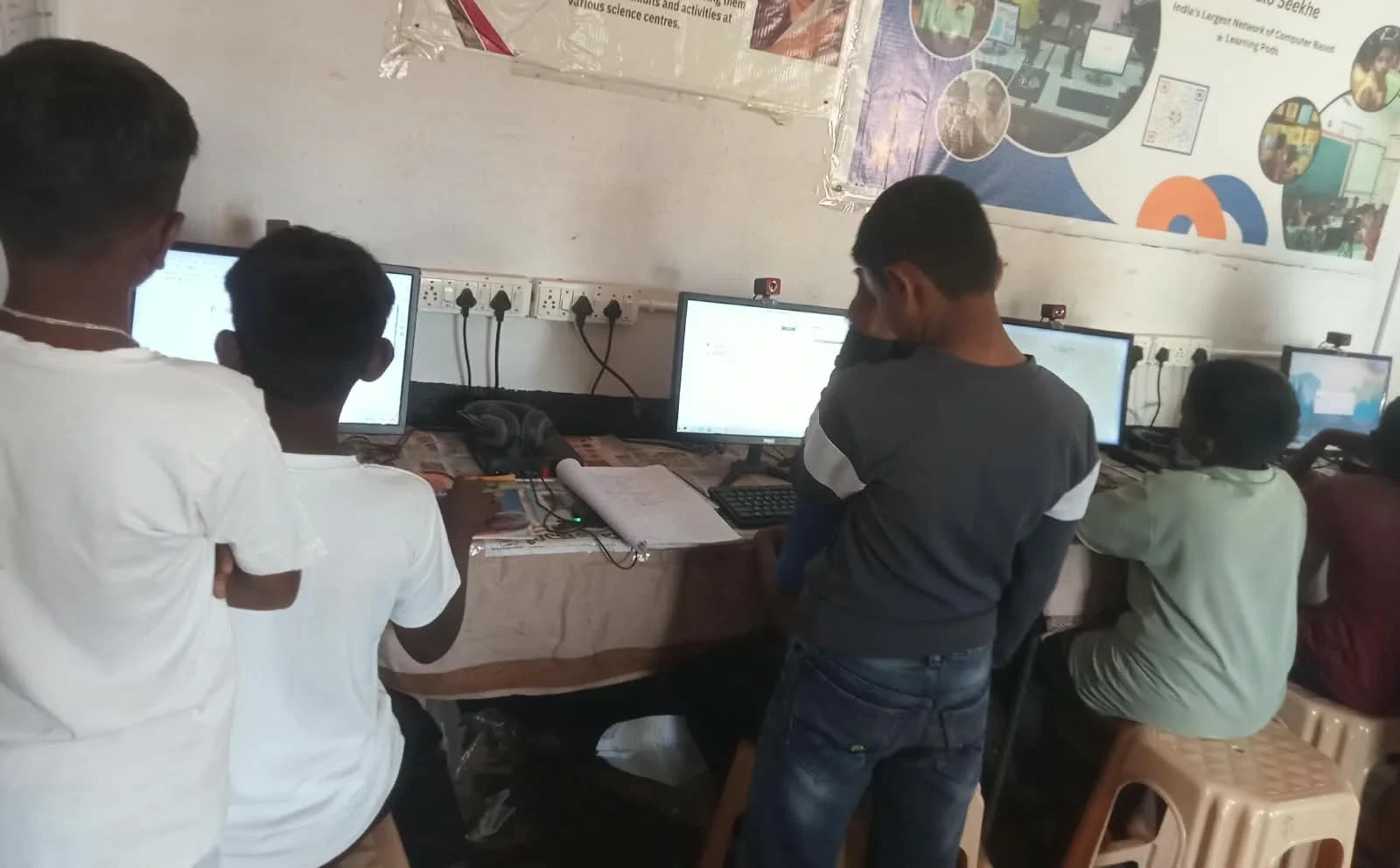
When Ravi got his own computer, his homework routine shifted immediately. He could sit down anytime between 4 PM and 10 PM without waiting. No more excuses about device availability. His mother noticed he started his assignments earlier, finished them faster, and actually seemed interested in his work.
A dedicated study computer does three important things for your child:
- Creates consistent study habits: Your child knows they’ve got their own space. They can develop a routine like “homework from 5 to 6 PM” without interruptions.
- Reduces distraction and time-wasting: A computer built for studying, not gaming or endless scrolling, keeps focus sharp. When your child sits down, they mean business.
- Builds digital literacy early: Today’s jobs demand computer skills. Your child learns typing, research, document creation, and coding fundamentals while doing homework.
Why Apna PC Works for Indian Students
Not every computer is right for homework. Gaming laptops are expensive and break your budget. Old office computers are slow and frustrating. That’s why Apna PC was designed specifically for Indian students like Ravi.
At Rs.30,000, it’s affordable for middle-class families. It comes pre-loaded with everything your child needs: LibreOffice for documents, Scratch for coding basics, and Apni Prerna for study tracking. The 8GB RAM and 128GB SSD mean no lag when your child’s doing research, typing essays, or working on projects.
The Zorin OS is simple and safe. You won’t worry about viruses or your child downloading harmful software. It’s designed to keep them focused on studying, not distracted by complex settings or endless app stores.
Real Changes in Student Performance
After three months with his computer, Ravi’s grades improved by 15%. His science teacher commented that his project work looked more polished. His mother noticed he was actually excited about homework, not dreading it.
This happens because your child can now access learning resources properly. They can watch educational videos from DIKSHA digital learning platform without phone battery concerns. They can download study materials from the Ministry of Education resources in India and organise them neatly.
Most importantly, owning a computer for homework builds confidence. When your child has their own computer, they feel like they take learning seriously. That mindset shift is powerful for Indian students aiming to improve their grades.
Building Better Study Habits Today
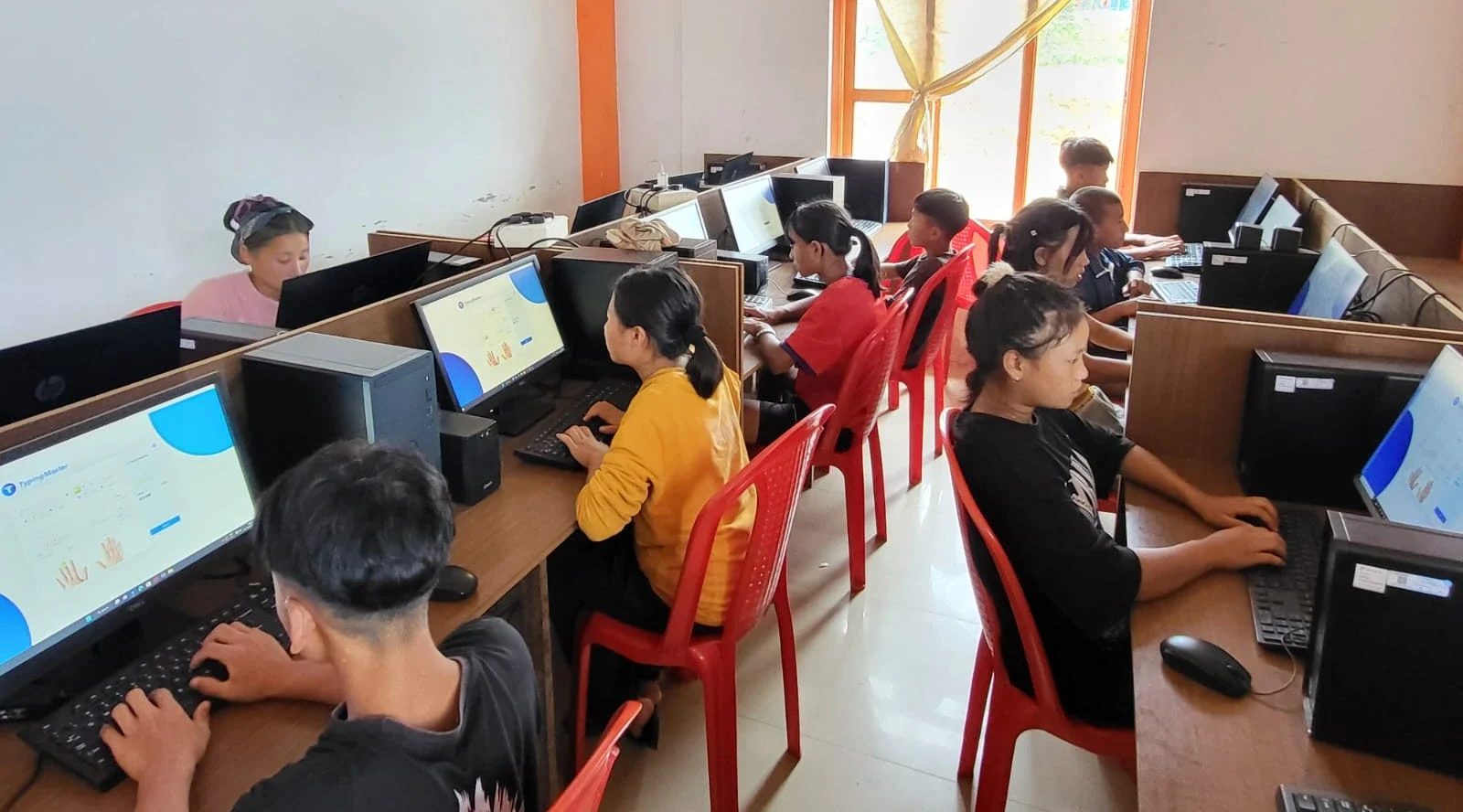
A computer isn’t just about getting homework done faster. It’s about teaching your child responsibility and time management. They learn that a tool is only useful if you use it wisely.
With Apni Prerna monitoring, you can see what your child’s studying without hovering over their shoulder. You’ll know if they’re actually working or procrastinating. This transparency helps you guide them better without constant arguments.
Your child also learns to research properly, cite sources, and create professional-looking presentations. These skills matter in college and careers. They’re learning them now, through homework, with a computer designed for their needs.
Making the Investment Count
Rs.30,000 might seem like a big expense for many families. But consider what you’re getting: better grades, improved study habits, digital skills, and peace of mind knowing your child has the right learning tool.
Compare it to monthly tuition costs. Most students in Tier 2 cities spend Rs. 2,000 to Rs. 5,000 monthly on tuition. A computer that lasts 4-5 years pays for itself many times over through improved performance and reduced need for extra coaching.
More importantly, you’re investing in your child’s future. Technology skills aren’t optional anymore. They’re essential. Starting now, through homework, gives your child a head start.
Owning a Computer Homework Setup: Why It Matters
Owning a computer homework setup changes how Indian students approach their studies. It’s not about having the latest gadget. It’s about having a dedicated tool that supports learning, reduces friction, and builds habits that last a lifetime. When you give your child a dedicated study computer, you’re giving them the foundation for success in school and beyond.
If you’re ready to see real changes in your child’s student performance, now is the time to act. Explore more resources on the Apni Pathshala blog. Visit apnapc.com to learn more.