


Priya’s Journey: From Zero to Coding for Students
Priya sits in her small room in Indore, staring at her old laptop that barely opens YouTube. She’s a second-year college student dreaming of becoming a software engineer, but her family can’t afford coaching classes in the city. Her friends attend expensive institutes, yet she refuses to give up. Last year, she decided to learn coding for students through free online resources and a determination that wouldn’t quit. Today, she’s building real projects and earning money through freelancing. Her story isn’t unique in Tier 2 and Tier 3 cities across India, where thousands of students are discovering that you don’t need a classroom to master programming.
Why Classroom Learning Isn’t Your Only Option
The traditional belief that you need to sit in a physical class to learn computer programming is outdated. Self-taught programming has become a legitimate and often superior path for many students. You can learn coding at home at your own pace, revisit difficult concepts, and skip topics you already understand. The internet has democratized education in ways that weren’t possible a decade ago.
According to the Digital India initiative, over 560 million Indians now have internet access. This means you have access to world-class resources that students in developed countries pay thousands of dollars for. The barrier isn’t availability anymore; it’s knowing where to start and having the right tools.
The Real Challenge: Staying Consistent Without Structure
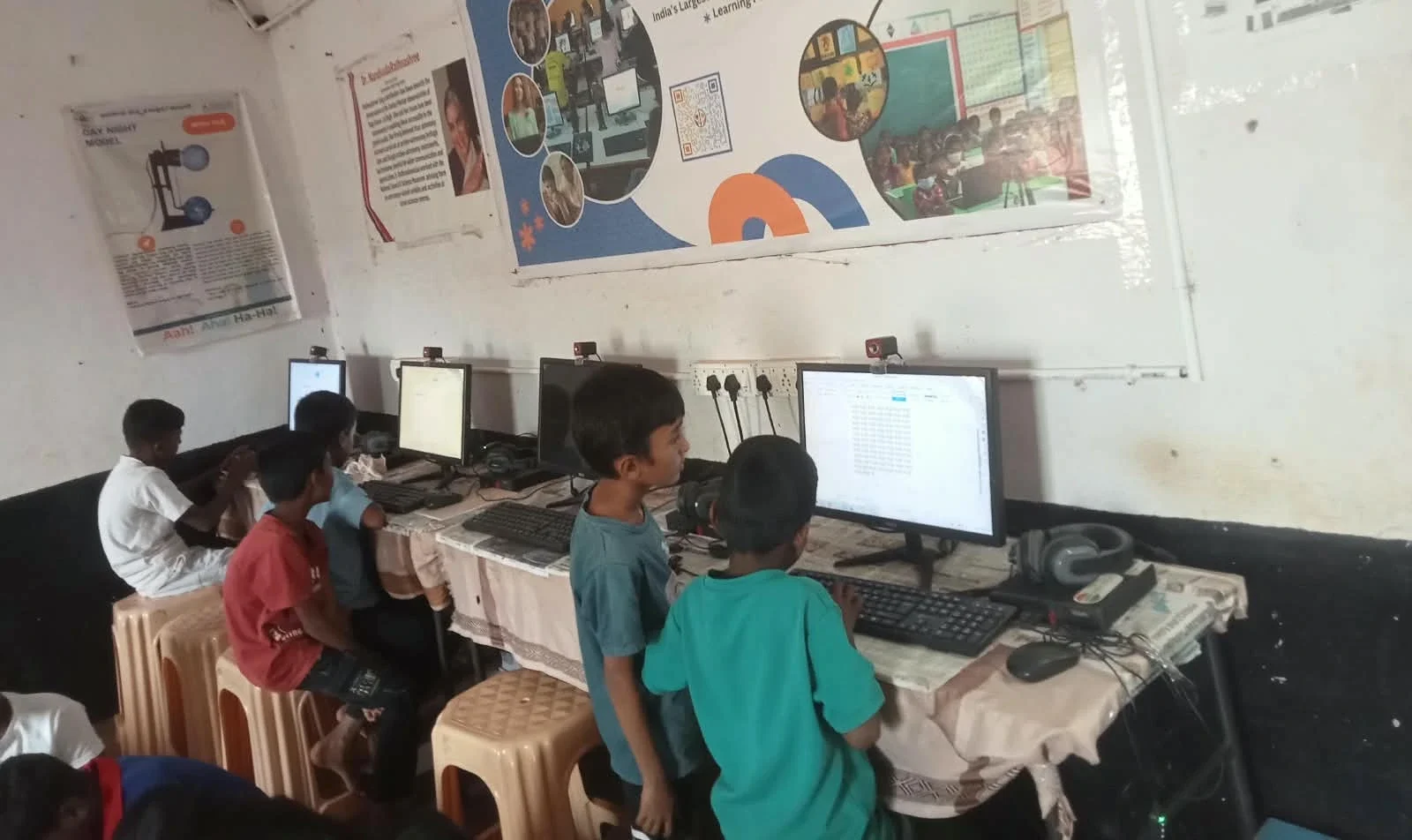
Here’s what most students won’t tell you: learning without classes is harder, not easier. You won’t have a teacher pushing you to complete assignments or classmates motivating you on tough days. Your discipline becomes your curriculum. You’ll face moments where you feel lost, and there’s no one to ask for immediate help.
Self-taught programming requires you to build a routine. Set specific hours for coding practice. Start with simple projects like a calculator or a to-do list app. Don’t jump to complex projects immediately. Track your progress weekly to stay motivated. Many successful self-taught programmers recommend spending 2-3 hours daily on consistent practice rather than sporadic 8-hour sessions.
- Find your learning style: Some students learn better through videos, others through reading documentation and experimenting.
- Join online communities: Platforms like Reddit, Discord, and GitHub connect you with thousands of learners facing similar challenges.
- Build projects early: Don’t spend months watching tutorials. Start building something tangible within your first few weeks.
- Document your learning: Write blogs or create YouTube videos explaining what you’ve learned. This reinforces your understanding.
Free Resources That Actually Work for Coding for Students
You don’t need to spend money to start learning computer programming. Websites like Codecademy, freeCodeCamp, and Khan Academy offer comprehensive courses completely free. YouTube channels dedicated to programming have millions of hours of quality content. GitHub hosts thousands of open-source projects where you can learn by reading real code.
Platforms like HackerRank and LeetCode gamify coding practice. You solve problems, compete with others, and track your improvement. Many students in smaller cities use these platforms to prepare for college placements and competitive exams. The advantage you get from learning at home is that you can move at your own speed without feeling pressured.
Why Your Computer Matters More Than You Think
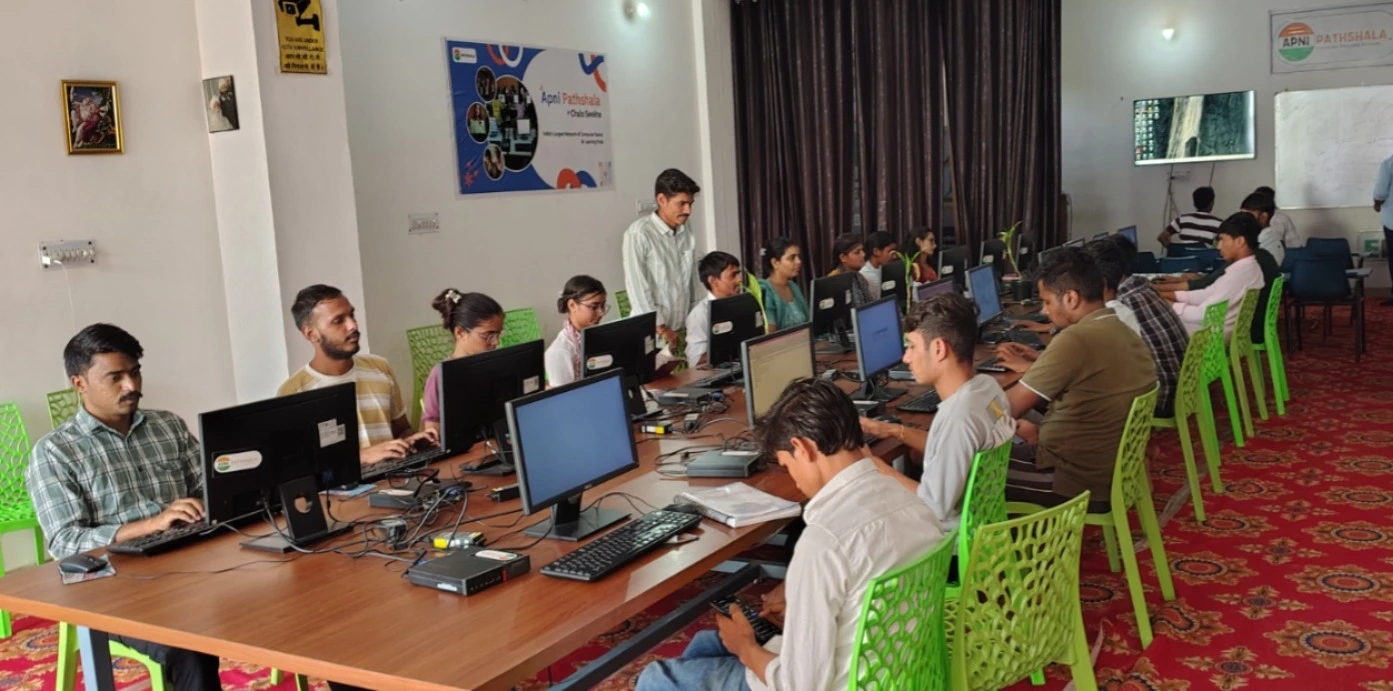
Here’s something crucial: the device you use to learn coding impacts your experience significantly. A slow, outdated computer frustrates you and kills your motivation. When your laptop takes 5 minutes to open your coding editor, you’ll quit before you start. You need a reliable machine with enough processing power to run development tools smoothly.
This is where Apna PC comes in. Designed specifically for students like you, it comes pre-loaded with Zorin OS and essential tools like LibreOffice and Scratch. The 8GB RAM and 128GB SSD ensure your coding environment runs without lag. At Rs.30,000, it’s an investment that removes technical barriers from your learning journey. You get a machine built for educational purposes, not gaming or entertainment.
Apna PC also includes Apni Prerna, which helps you track your learning progress. This student monitoring feature keeps you accountable without feeling invasive. It’s like having a study buddy who reminds you to stay on track.
Building Student Coding Projects at Home
The best way to learn is by building. Student coding projects don’t need to be complicated. Start with projects that solve real problems in your life. Build a notes app if you struggle with organization. Create a habit tracker if you want to build discipline. Develop a quiz application for your friends studying for exams.
These projects teach you more than any tutorial because you’re solving problems you care about. When you hit obstacles, you’re motivated to find solutions. You learn debugging, problem-solving, and how to search for answers online. These skills matter more than knowing syntax.
Share your projects on GitHub and get feedback from the developer community. This exposure builds your portfolio and connects you with opportunities. Many students have landed internships and freelancing skills through projects they built at home.
The Role of Community in Coding for Students
You might think learning without classes means learning alone, but that’s not true. Online communities are your classroom now. Join coding groups on WhatsApp, Telegram, or Discord specific to your city or interest. Follow Apni Pathshala for resources and inspiration from other learners in similar situations.
These communities celebrate your wins and support you during setbacks. When you’re stuck on a coding problem, you can ask for help. When you complete your first project, people genuinely celebrate with you. This sense of belonging keeps you motivated for months.
Making Your Decision: Classes vs. Self-Learning
So should you skip classes entirely? Not necessarily. The best approach depends on your personality and circumstances. If you’re self-motivated and have access to good resources, self-taught programming works brilliantly. If you struggle with discipline or learn better with direct guidance, you might benefit from structured classes.
Many successful programmers combine both approaches. They take one structured course to understand fundamentals, then self-teach advanced topics through projects and experimentation. You don’t have to choose one path exclusively.
What matters is that you start. Whether you’re in a classroom or your bedroom, learning coding for students is achievable. You have the resources, the tools, and the opportunity. What you need is a reliable computer and unwavering commitment.
The question isn’t whether you can learn coding without classes. The real question is whether you’re ready to take control of your education and build the future you want. Visit apnapc.com to learn more.