


Ravi’s mother stood in their Indore living room, watching her son stare at his textbook. He had to write an essay on ancient Egyptian civilisation, and their local library had almost nothing on the topic. “How will he learn?” she wondered. Then she discovered that virtual museums for students like him could fix that. Her son could walk through the British Museum from home, moving through virtual halls filled with real Egyptian artefacts. Within an hour, Ravi wasn’t just reading about history. He was seeing it. This is how young learners in Indian cities can now access world-class education without leaving home.
What Are Virtual Museums for Students?
Virtual museums are digital versions of real museums that you can explore online. Instead of travelling to London or Paris, your child can click through high-resolution images of priceless artefacts, read detailed descriptions, and even watch videos about historical pieces. Many museum tours online are completely free and created by the world’s most prestigious institutions.
These aren’t just picture galleries. They’re interactive experiences where students can zoom into paintings, rotate 3D sculptures, and learn stories behind each artefact. For a student preparing for history or art exams, online museum tours offer something textbooks can’t: a direct connection to real objects that shaped human civilisation.
Famous Free Online Museum Tours Your Child Can Access Right Now
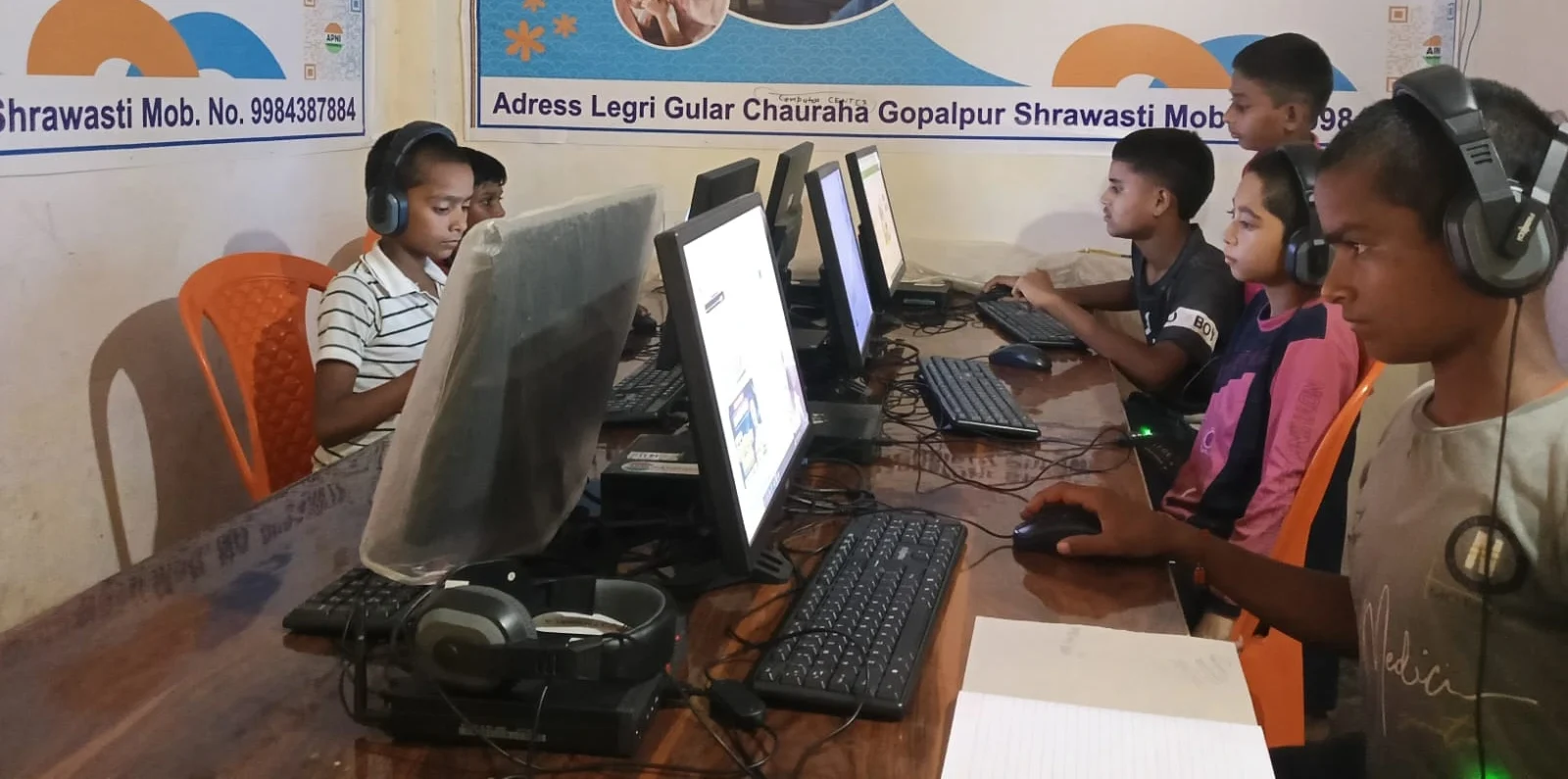
The British Museum in London offers one of the most comprehensive online collections. Your child can explore Egyptian mummies, Greek sculptures, and ancient Indian artefacts, all from your home. The experience feels almost like being there, with detailed information about each piece.
The Louvre in Paris, home to the Mona Lisa, has created stunning digital tours. Students can walk through rooms and learn about Renaissance art, Egyptian history, and Islamic culture. It’s like having a world-class art teacher in your living room.
Google Arts & Culture is one of the easiest ways to start. It partners with thousands of museums worldwide and lets you explore collections, take virtual tours, and even play educational games. You don’t need any special knowledge. Just curiosity.
India’s National Museum in New Delhi also offers online access to Indian art, textiles, and historical documents. Your child can learn about their own cultural heritage while sitting at home. This is particularly valuable for students in tier 2 and tier 3 cities who might not easily visit Delhi.
How Cultural Learning From Home Helps School Projects
When your child explores virtual museums, they’re not just browsing. They’re gathering real research material for school assignments. A project on the Mughal Empire becomes richer when your son or daughter can see actual artefacts from that period.
Teachers notice the difference. Students who use museum tours online write better essays because they’ve seen primary sources. They ask smarter questions in class. Their presentations stand out because they include unique details that come from genuine research, not just encyclopedia summaries.
Cultural learning also builds confidence. When a child from Nagpur understands Egyptian hieroglyphics or can discuss Renaissance art techniques, they feel connected to global knowledge. This confidence carries into their academics and beyond.
UNESCO global education research keeps pointing to cultural content as one of the strongest supports for learning across subjects. The Indian Ministry of Education has also been pushing digital access to learning resources so students in smaller cities get the same chances as those in metros.
What Your Student Computer Needs to Stream Virtual Museums
Not every computer can smoothly handle museum tours online. You need decent processing power, enough RAM to load high-resolution images, and a reliable storage drive. A slow, outdated computer will frustrate your child. Pages won’t load quickly, images will be pixelated, and the experience will feel disappointing instead of inspiring.
Your student computer needs at least 8GB RAM to comfortably browse museum websites while keeping other tabs open for research. It needs an SSD (solid-state drive) with at least 128GB storage, so files load instantly. The processor should be modern enough to handle video content without lagging.
Many budget computers available in India don’t meet these requirements. They’re slow, they crash, and they make your child’s learning experience frustrating. This is where Apna PC makes a real difference.
Why Apna PC Is Perfect for Exploring Virtual Museums
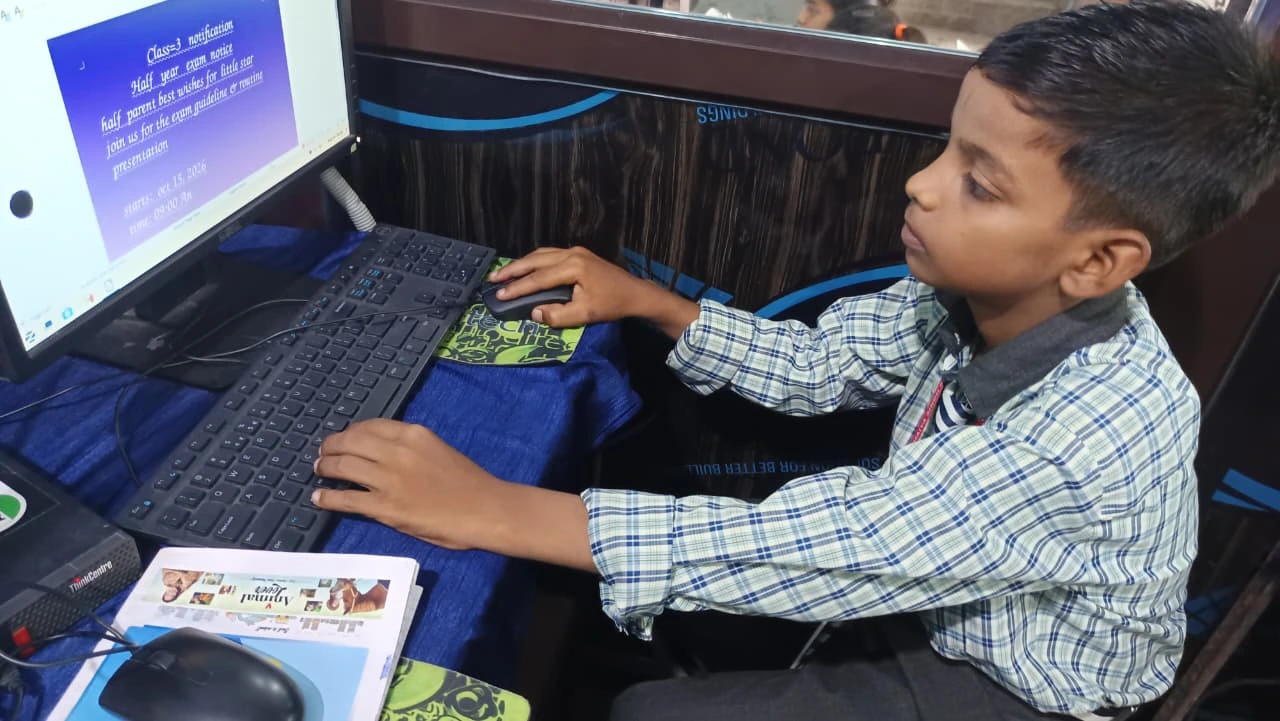
Apna PC is an educational computer designed specifically for Indian students, created by Apni Pathshala. At just Rs. 30,000 (shipping and GST excluded), it gives students the hardware they need to run virtual museums smoothly.
It has 8GB RAM and a 128GB SSD, the specifications we just discussed as essential. This means museum websites load quickly, images display beautifully, and your child can research for hours without the computer slowing down. The processor is modern enough to handle streaming, video playback, and multiple browser tabs simultaneously.
Apna PC comes pre-loaded with Zorin OS, a user-friendly operating system that’s free and secure. It includes LibreOffice for writing essays about what your child discovers in museums. Scratch is included for creative projects. The system also has Apni Prerna, which helps you monitor your child’s learning while respecting their independence.
Most importantly, Apna PC is built for Indian students. It’s affordable for middle-class families in tier 2 and tier 3 cities. It’s reliable. You won’t face constant crashes or slowdowns, and it’s designed with education in mind, not just entertainment.
When your child sits down with Apna PC to explore the British Museum or Google Arts & Culture, they’re not fighting with a sluggish machine. They’re learning. They’re discovering. They’re connecting with the world’s cultural treasures.
Getting Started With Virtual Museums for Students
You don’t need to wait for a school trip or save for an expensive vacation. Your child can start exploring world-class museums this week. Open a browser, visit Google Arts & Culture, and let them choose a museum that interests them. Give them 30 minutes and watch what happens.
Before you buy, it helps to see what children do with their own PC and phone at home. You’ll realise that the best education doesn’t require leaving home. It just requires the right tools and access.
Your child deserves to learn from the world’s greatest collections. With Apna PC, they can do exactly that. Visit apnapc.com to learn more.