


Rahul’s Wake-Up Call: Why Computer Knowledge Matters Now
Rahul sat in his 10th-grade classroom in Delhi, staring at his biology project assignment. His teacher had asked students to create a digital presentation with animations and embedded videos. While his classmates opened laptops and tablets with confidence, Rahul felt frozen. He could not even turn on a computer properly. His hands trembled as he realized that computer knowledge was no longer optional. It was survival. That moment changed everything for him and his family.
You might think Rahul is alone, but he is not. Across India, thousands of students face the same panic when they encounter technology in their studies. The digital world has become the classroom, and computer knowledge is now as essential as reading and writing. This shift happened faster than most parents expected, especially after the pandemic pushed education online.
Computer Knowledge is Now a Life Skill, Not a Luxury
Think about your child’s future. Every job posting demands “computer proficiency.” Whether your son wants to become an engineer, doctor, teacher, or accountant, they will need these skills to succeed. Banks use digital systems. Hospitals maintain patient records online. Even small shops now use billing software. Your daughter cannot escape technology, no matter which career path she chooses.
This skill has become like literacy was 50 years ago. Just as your grandparents learned to read and write to survive in their world, your children must learn computers to thrive in theirs. The difference is that technology changes rapidly, and students who do not learn early will fall behind their peers.
Here is what digital skills actually include:
- Basic operations: Using operating systems, file management, and software applications
- Online safety: Understanding cybersecurity and protecting personal information
- Research skills: Finding reliable information online and evaluating sources
- Coding fundamentals: Learning programming languages like Scratch or Python
- Productivity tools: Creating documents, spreadsheets, and presentations
- Problem-solving: Using technology to solve real-world challenges
These are not just “computer class” skills anymore. They are life skills that shape how your child learns, communicates, and eventually works.
Why Schools Alone Cannot Build These Skills
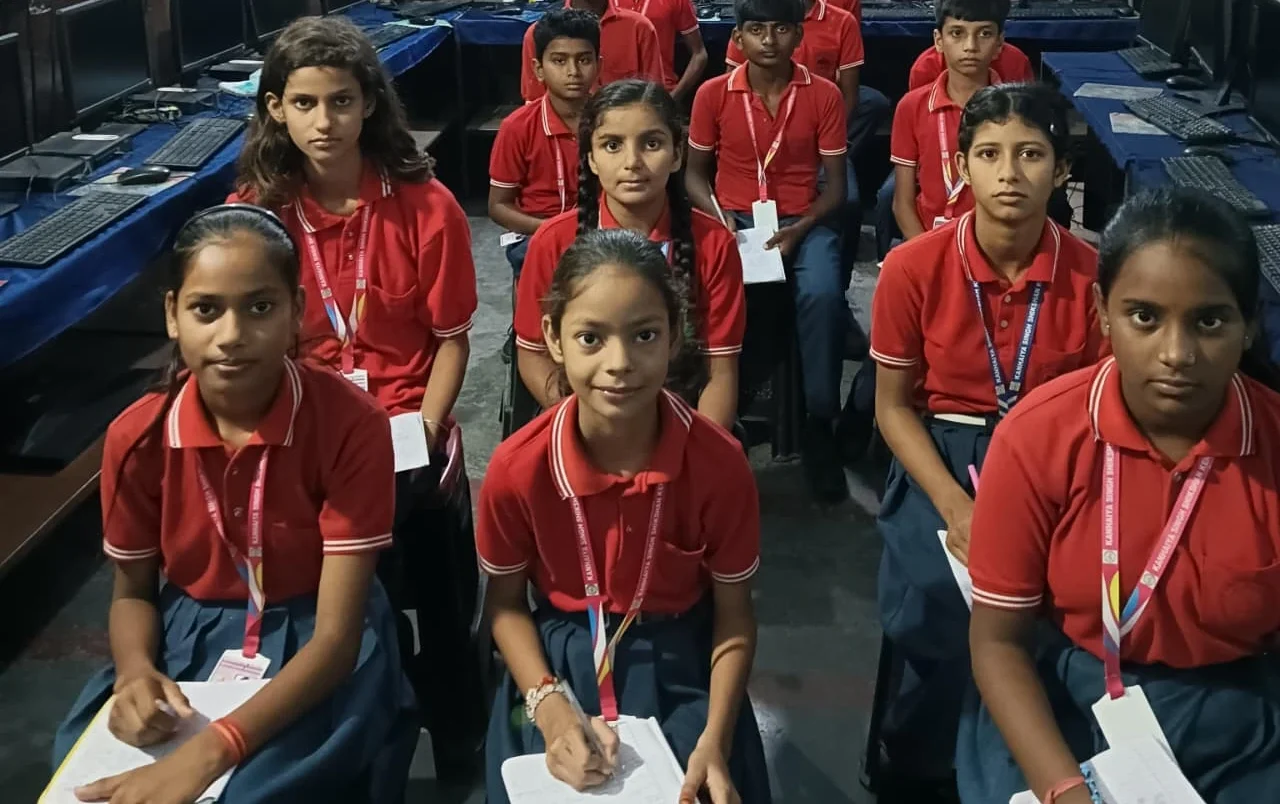
Your child’s school probably has a computer lab. It might have 30 computers for 500 students. Each student gets perhaps one hour per week, if they are lucky. That is not enough. Students need hands-on practice, experimentation, and the freedom to make mistakes in a safe environment.
Many schools focus on theory rather than practical application. Students memorize keyboard shortcuts instead of building real computer knowledge through creating projects. This approach leaves them unprepared for real situations where they must think independently and solve problems using technology.
Home-based learning fills this gap. When your child has access to a computer at home, they can practice coding after school, create presentations for their projects, and explore subjects that interest them. They develop problem-solving skills by actually using computers, not just reading about them.
The Role of Computer Education in Modern Learning
Computer education is not separate from other subjects anymore. It is woven into everything. Science students use simulation software to understand physics concepts. History students research primary sources online. Math students use graphing tools to visualize equations. Language learners access international resources and connect with students worldwide.
Platforms like the DIKSHA digital learning platform have become central to Indian education. Your child’s teachers upload lessons, assignments, and resources there. If your child cannot navigate these platforms smoothly, they will struggle to access their education.
Research from UNESCO education research shows that students with computer access at home perform better academically. They complete assignments more efficiently, access additional learning resources, and develop confidence with technology earlier. This confidence translates into better exam performance and stronger academic foundations.
Building Skills at Home: Practical Steps
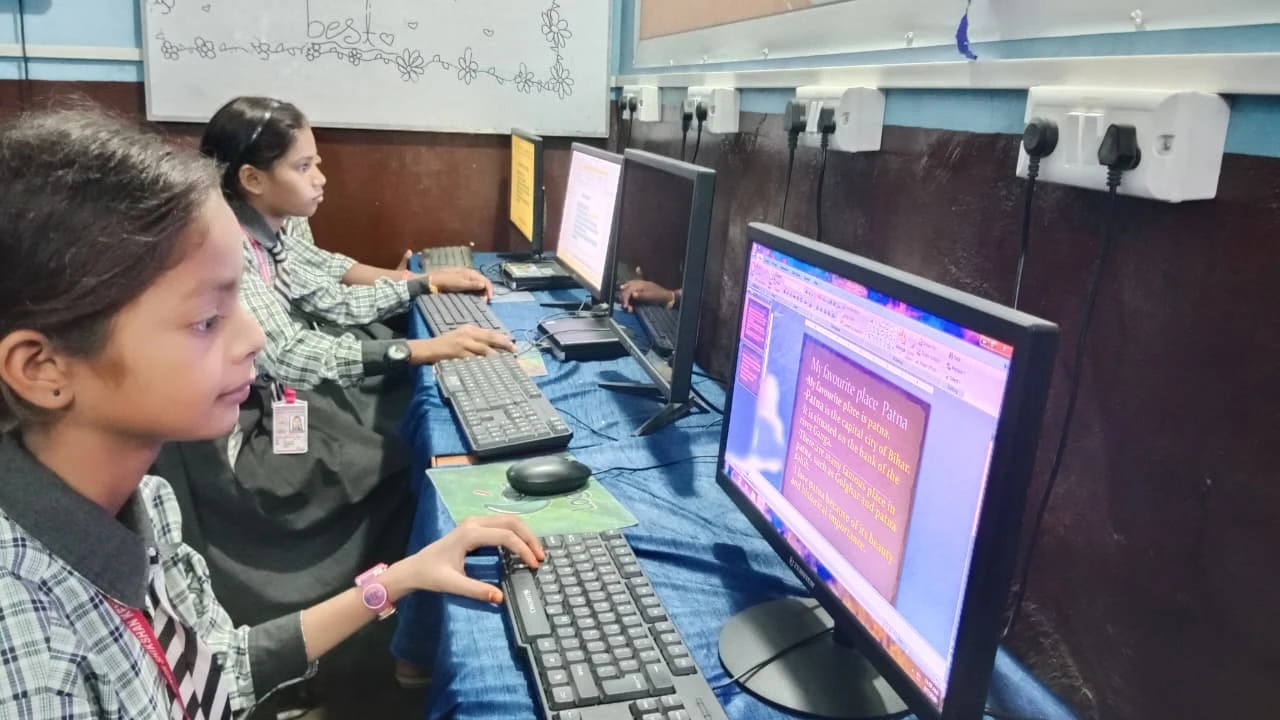
You do not need to be tech-savvy to help your child. Start simple. Let them explore educational software. Encourage them to create projects using tools like LibreOffice. Have them research topics online and organize their findings. Let them learn by doing, not just watching.
Coding is particularly important. When your child learns to code through platforms like Scratch, they learn logical thinking and creative problem-solving. These skills transfer to every subject and life situation. A personal computer with proper software makes this learning accessible at home.
Organizations like Apni Pathshala understand these needs. They have designed solutions specifically for Indian students who need affordable access to quality computer education. Their approach combines hardware and educational software to create a complete learning environment.
Overcoming the Barrier: Affordability and Access
Many families want to provide computers for their children but face financial constraints. A typical computer costs between 50,000 to 1,00,000 rupees. This puts it out of reach for middle-class families. The gap between students who have computers and those who do not is widening, creating educational inequality.
Affordable solutions like the Apna PC change this equation. At just Rs.30,000, it brings computer knowledge within reach of more families. It comes pre-loaded with everything a student needs: a student-friendly operating system, educational software, and monitoring tools for parents. Your child can start learning immediately without additional expenses.
When you invest in this skill for your child, you are investing in their future. You are giving them the tools to compete, create, and succeed in a digital world.
Your child deserves the opportunity to learn and develop digital skills that will serve them throughout their life. Visit apnapc.com to learn more.