


Priya sat in her college hostel room, staring at her laptop screen. Her project files were scattered across the desktop, her Downloads folder had 847 items, and she couldn’t find the assignment she’d submitted last week.
Her phone buzzed; the professor was asking for revisions, but Priya had no idea which version was final. She’d
spent three hours searching instead of studying for her exam. This is the reality for thousands of Indian students who haven’t learned digital organisation skills. Without proper file management and computer skills, your academic performance suffers, your stress increases, and your future employers will notice the difference.
Digital organisation isn’t just about keeping your files neat. It’s about building habits that will define your entire career. When you master digital organisation, you’re learning to think systematically, manage your time better, and work more efficiently. These aren’t just academic skills- they’re life skills that separate successful professionals from those who struggle.
What Is Digital Organisation and Why Does It Matter?
Digital organisation means creating a system for your files, folders, emails, and digital projects so you can find anything in seconds. For Indian students juggling multiple subjects, assignments, projects, and extracurricular activities, this skill is absolutely critical. Your laptop isn’t just a device for watching videos or scrolling social media-it’s your workspace, your library, and your future office.
When your files are organised, you work faster. When you work faster, you have more time for actual learning instead of searching for documents. This directly impacts your grades, your confidence, and your mental health during exam season.
File Management: The Foundation of Digital Organisation
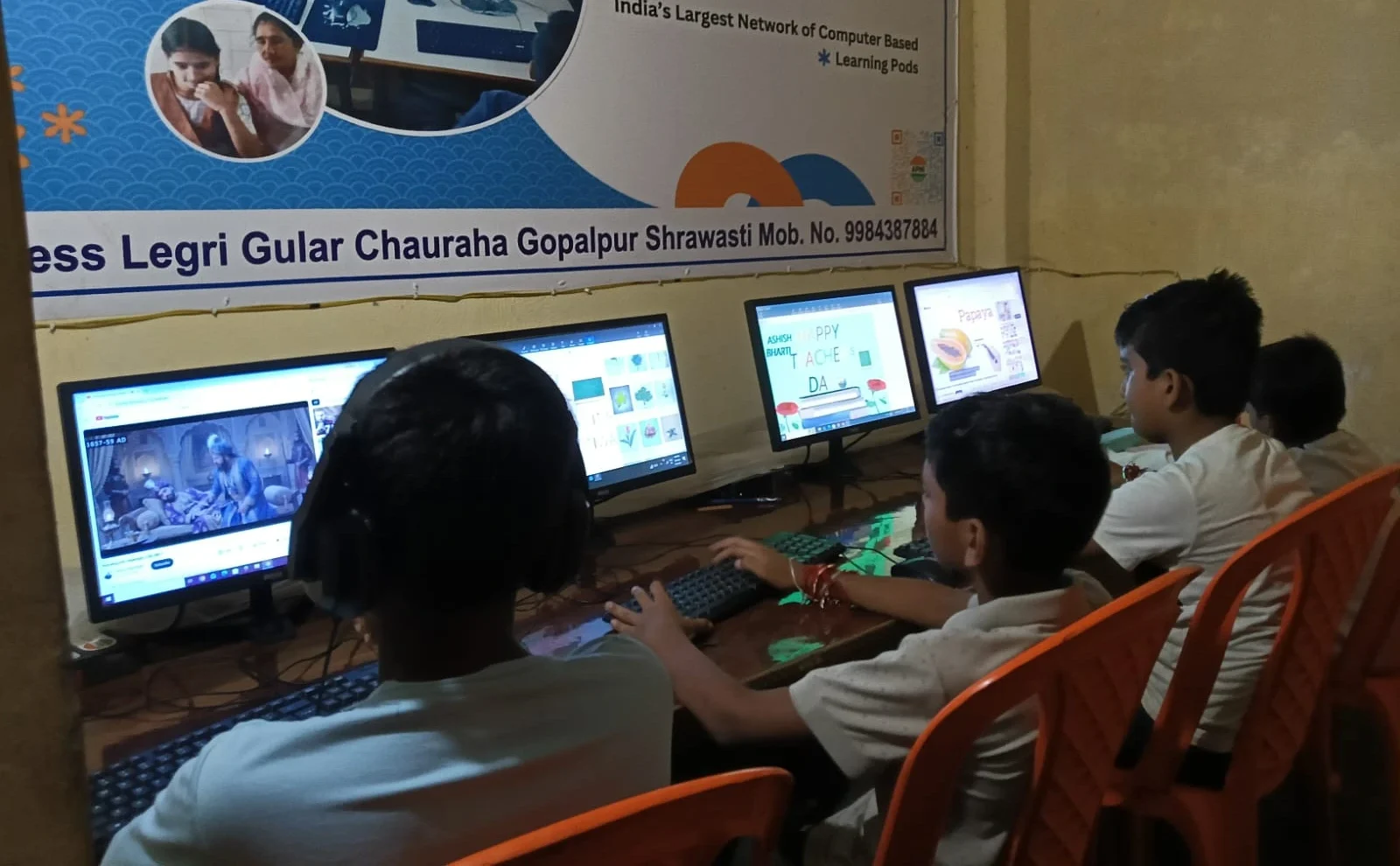 File management is where digital organisation begins. Most students create files without any system-everything lands on the desktop or in Downloads. After six months, you have chaos. After a year, you have a disaster.
Start by creating a clear folder structure. Make a main folder for each subject or project. Inside that, create subfolders for lectures, assignments, resources, and submissions. Use clear naming conventions: “Biology_Ch5_Photosynthesis_2024” is better than “Bio stuff” or “Final Final FINAL.”
- Create a consistent naming system: Use dates (YYYY-MM-DD) at the start of file names so they sort chronologically.
- Organise by subject and topic: Don’t mix Class 12 notes with college assignments in the same folder
- Archive old files: Move completed projects to an archive folder so your active workspace stays clean
- Use cloud backups: Google Drive, OneDrive, or similar services protect your work from laptop crashes.
- Delete duplicates regularly: Those “Final,” “Final2,” and “Final3” versions waste space and confuse.
The college computer skills you develop now will stay with you forever. Employers expect graduates to have strong file management abilities because it reflects your professionalism and attention to detail.
Productivity Tools That Transform Your Study Routine
You don’t need expensive software to stay organised. Free tools like LibreOffice (included with Apna PC) can handle documents, spreadsheets, and presentations. Google Classroom helps you track assignments. Notion or Google Keep can manage your to-do lists. The key is choosing tools that work for you and using them consistently.
With the right tools, your productivity skyrockets. You can create study schedules, track deadlines, maintain notes in one searchable location, and collaborate with classmates without losing track of versions. This is where digital organisation becomes a competitive advantage.
Many Indian students don’t realise that developing these computer skills now means you’ll be ahead of 70 per cent of your peers in college and 80 per cent in the job market. Companies like TCS, Infosys, and startups all value employees who can manage digital workflows efficiently.
Building Habits That Stick
Digital organisation isn’t a one-time task- it’s a habit. Spend 10 minutes every Friday organising your files. Delete unnecessary downloads-archive completed projects. Update your folder structure if needed. This small investment saves you hours during exam season.
Set rules for yourself: never save files to the desktop, always use your folder system, name files clearly, and back up important work immediately. When these become automatic, you’ll never experience Priya’s panic again.
The Apni Pathshala blog has excellent resources on developing study habits, including digital organisation. Check out what the Indian Ministry of Education recommends for student digital literacy. Research from UNESCO education research shows that students with strong digital skills perform significantly better academically.
The Right Computer Makes It Easier
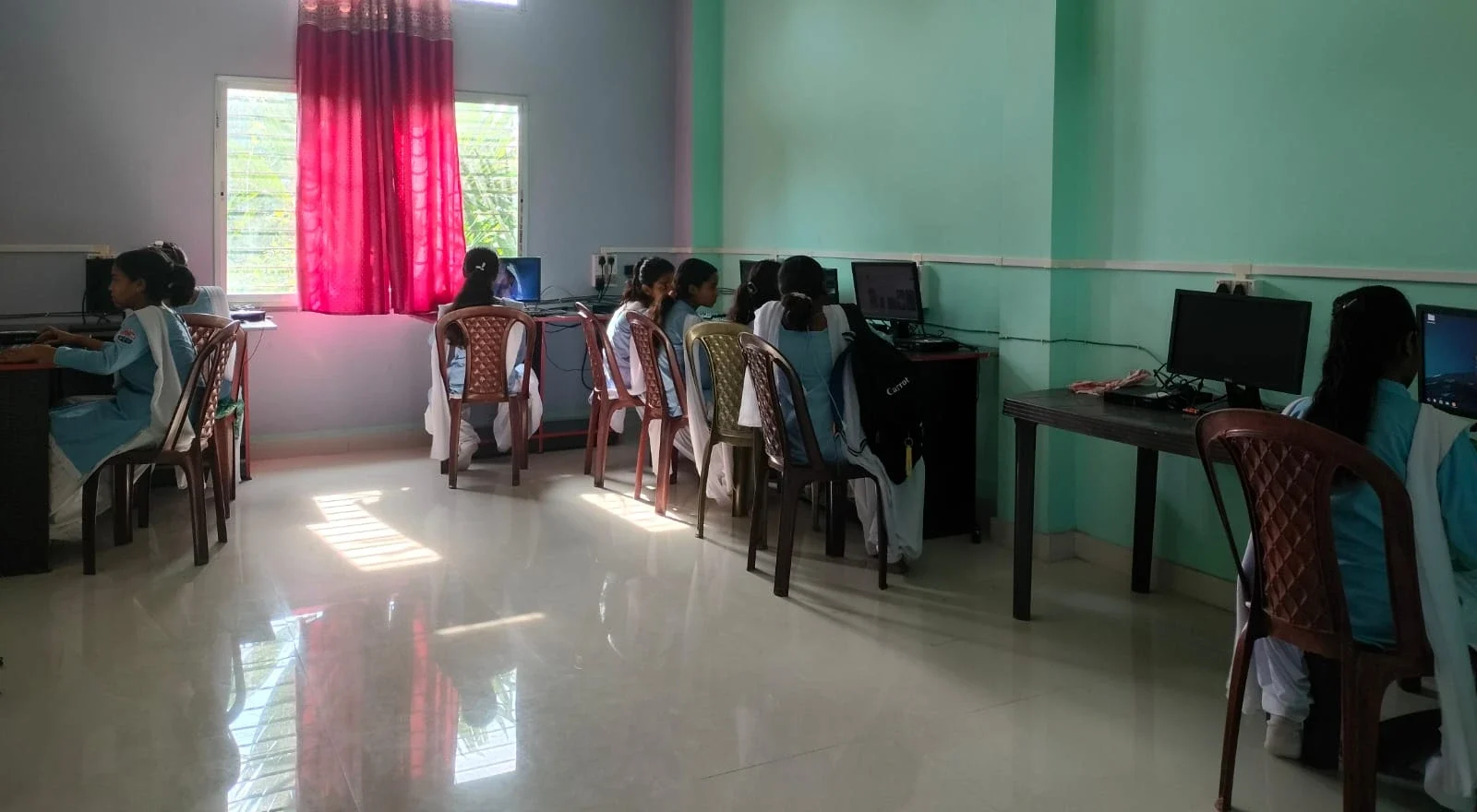
You can develop digital organisation skills on any device, but having a reliable computer designed for students makes a real difference. Apna PC comes pre-loaded with Zorin OS, LibreOffice, and Scratch-everything you need for studies and learning to code. With 8GB RAM and 128GB SSD storage, you can work smoothly without slowdowns that kill your productivity.
The 128GB SSD gives you space to organise your files properly without constantly worrying about storage. The 8GB RAM lets you keep multiple applications open – your notes, assignment documents, and research material- without your computer crawling to a halt. At Rs.30,000 (shipping and GST excluded), it’s an investment in your future that pays dividends immediately.
Having a dedicated study computer also creates a mental boundary. When you sit at your computer, you’re in “work mode,” not “entertainment mode.” This psychological shift improves your focus and makes organisation feel natural rather than forced.
Your Digital Future Starts Now
Priya could have avoided her three-hour file search with basic digital organisation. You don’t have to make her mistake. Start today by creating one organised folder structure for your most important subject. Add one file naming rule. Back up your work to the cloud. These small steps compound into habits that transform your academic performance and prepare you for professional success.
Digital organisation isn’t boring busywork—it’s the foundation of productivity, professionalism, and peace of mind. Visit apnapc.com to learn more.