


Rahul’s Struggle: When a Slow Computer Stopped His Dreams
Rahul sits in his small room in Indore, staring at his laptop screen. It’s been fifteen minutes, and his browser still hasn’t opened the online class link. His mother calls from the kitchen and asks if he’s attending the live session. He nods, but inside, frustration builds. This slow computer has become his biggest enemy. Every day, he watches his classmates submit assignments on time while he battles loading screens. His grades are dropping, not because he doesn’t understand the material, but because his computer can’t keep up with his ambitions.
Rahul’s story isn’t unique. Thousands of students across Tier 2 and Tier 3 cities in India face the same challenge. A slow computer doesn’t just waste time; it steals your future. When your PC struggles to load educational content, participate in online classes, or complete assignments, your productivity suffers. Understanding how a slow computer affects your studies is the first step toward solving this problem.
How a Slow Computer Kills Your Productivity
Your computer is your study partner in today’s digital world. When it runs slowly, every task becomes painful. Opening a single document might take two minutes instead of two seconds. Switching between applications feels like waiting for a bus that never comes on time. This constant delay breaks your focus and concentration.
Think about what happens during an online exam. Your slow computer loads questions more slowly than your classmates’. You lose precious minutes just waiting for content to appear. While other students are already halfway through the paper, you’re still reading the first question. This isn’t about your intelligence. It’s about your tools failing you when you need them most.
Research shows that interruptions and delays reduce productivity by up to 40 per cent. When your computer freezes or lags, you’re losing more than seconds. You’re losing your momentum, your confidence, and your ability to think clearly. Your brain gets frustrated, and frustration leads to mistakes.
- Loading delays: Videos buffer, documents freeze, applications crash
- Multitasking becomes impossible: You can’t research, write, and listen simultaneously
- Stress increases: Anxiety about deadlines grows when your computer can’t deliver
- Learning quality drops: You rush through assignments instead of learning properly
The Real Cost of Computer Performance Issues
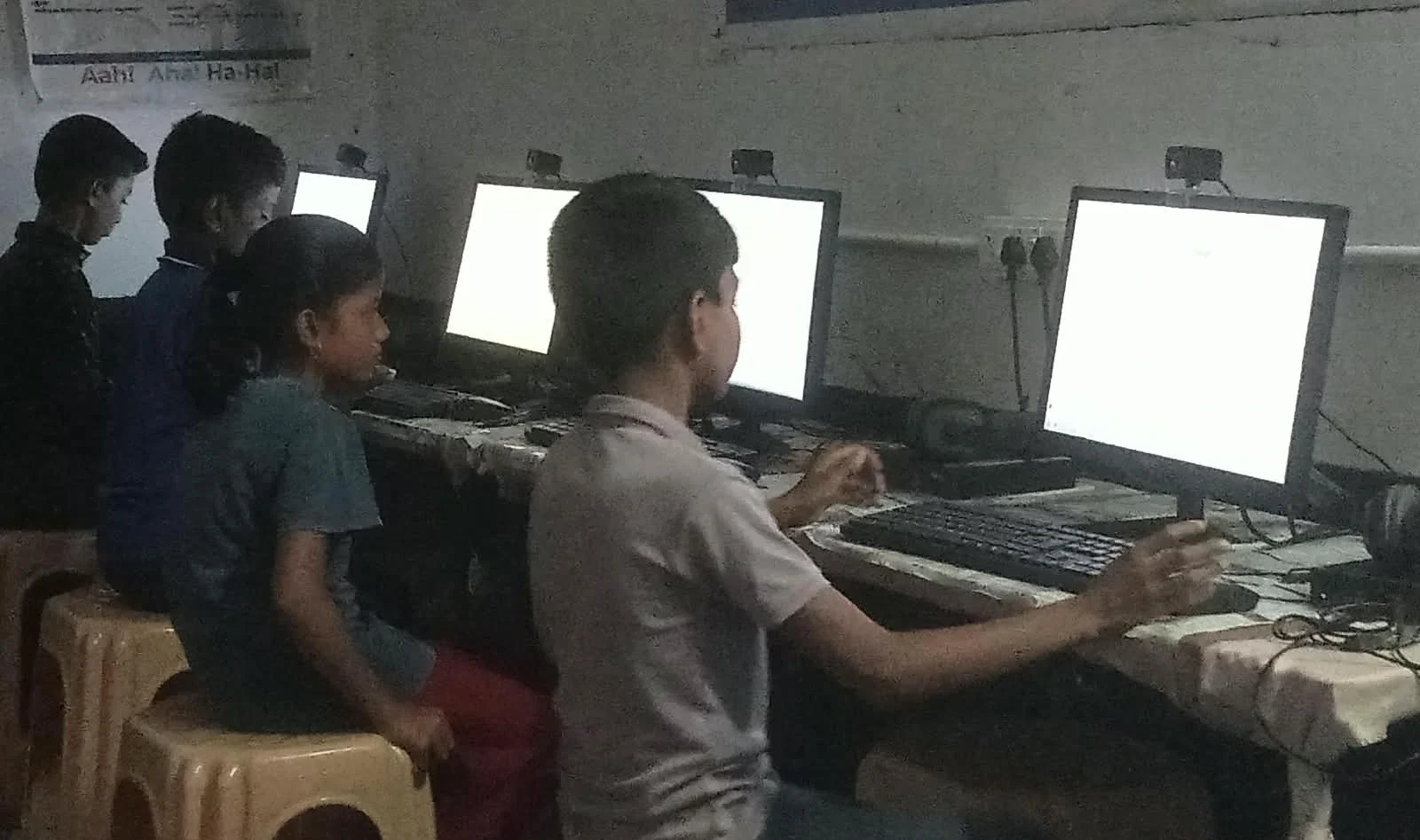
Your grades aren’t just about how smart you are. They depend on how well your tools work. A slow computer means you submit assignments late. Late submissions mean lost marks, even if your work is excellent. Your teachers can’t wait for your PC to catch up.
Consider the DIKSHA digital learning platform and resources from the Central Board of Secondary Education. These platforms require decent computer performance to work smoothly. If your PC can’t handle them, you’re missing out on quality educational content available to every student in India.
Beyond grades, a slow computer affects your mental health. You feel left behind. Your classmates finish projects in an hour while you spend three hours fighting your computer. This creates stress, anxiety, and a sense of helplessness. Some students even start believing they’re not capable, when the real problem is their equipment.
What Makes a Computer Slow
Before you can fix the problem, you need to understand it. A slow computer usually suffers from one or more of these issues. Your hard drive might be full. Your RAM might be insufficient. Your operating system might be bloated with unnecessary software. Viruses or malware could be running in the background.
To understand these problems better, learning the basics of computer hardware will help you make better decisions about your next purchase. You should also know how to diagnose common computer problems so you can identify what’s slowing down your current device.
Most students in Tier 2 and Tier 3 cities buy whatever computer is available in their local market. They don’t realise that a computer built for general use isn’t optimised for student needs. Educational software, online classes, and digital assignments require specific performance levels.
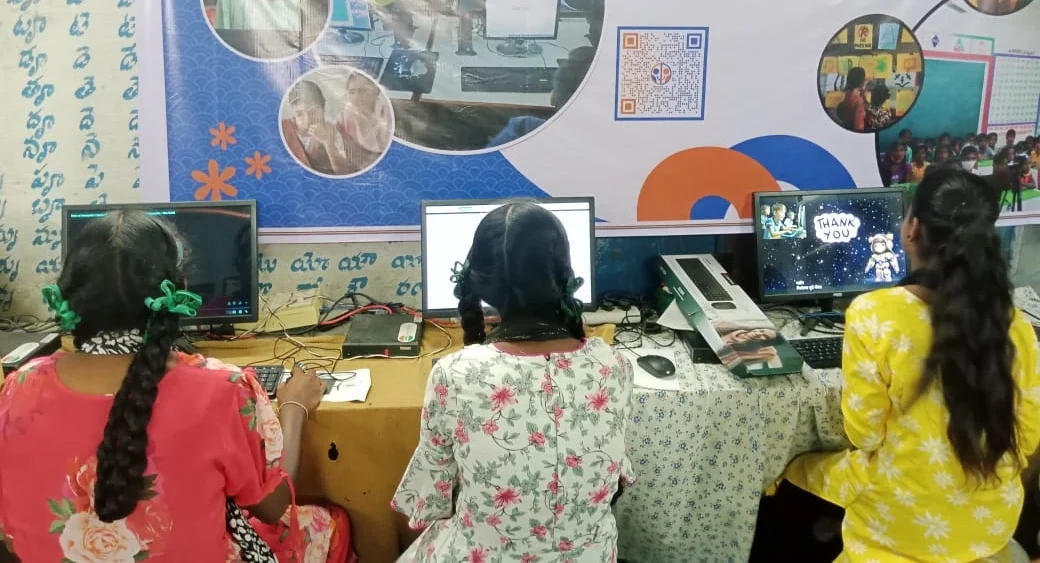
Why Your Next Computer Should Be Built for Student Success
You need a computer thats designed with your needs in mind. Not a device made for gaming or business. A computer built specifically for students like you. This is where Apna PC makes a difference.
Apna PC is an educational computer priced at just Rs.30,000 (excluding shipping and GST). It comes with 8GB RAM and 128GB SSD, giving you the speed you need for smooth multitasking. Zorin OS is lightweight and fast, unlike heavier systems that slow down over time. You get LibreOffice for document creation, Scratch for coding, and Apni Prerna for student monitoring and personalised learning.
Every component of Apna PC is chosen to serve your studies. It’s not overpowered or unnecessary. It’s precisely powered for what you need. Load your online classes without waiting. Complete your assignments without frustration. Research projects without your browser crashing. This is what student productivity actually looks like.
Your computer should be your ally, not your obstacle. When your PC works fast and smoothly, your mind works faster too. You focus on learning instead of fighting technology. Your grades improve. Your confidence grows. Your future brightens.
Dont let a slow computer define your academic journey. You deserve tools that support your ambitions. Apna PC is that tool. Visit apnapc.com to learn more.