


Ravi’s Story: When Education Met Affordability
Ravi Kumar sits in a small room in Indore with his two children, Priya (14) and Arjun (12). His wife teaches at a local school, and he runs a small printing business. When schools reopened after lockdown, both kids needed a computer for digital education. The local shop quoted Rs.60,000 for a basic laptop. Ravi’s heart sank. He couldn’t afford it, and his children were falling behind their classmates who had devices at home.
This isn’t just Ravi’s story. Thousands of families in Tier 2 and Tier 3 Indian cities face the same problem every single day. Your child’s future shouldn’t depend on your bank balance, yet digital education has created exactly that divide.
Why Digital Education Demands Affordable Computers for Students
The shift to digital learning isn’t temporary. Schools now blend online classes with classroom teaching. Students need computers to access educational apps, complete assignments, research projects, and submit work online. A computer for students isn’t a luxury anymore. It’s a basic learning tool, just like a notebook was thirty years ago.
The government’s Digital India initiative has pushed technology into every corner of education. But here’s the gap: access to quality devices remains out of reach for most middle-class families in smaller cities. When your child can’t participate in online classes because you dont have a device, they fall behind. Without coding or digital skills, their career options shrink.
Your investment in a student computer today becomes their investment in tomorrow’s job market. Programming, data analysis, digital marketing, design. All these skills start on a computer. Without one, your child is already behind.
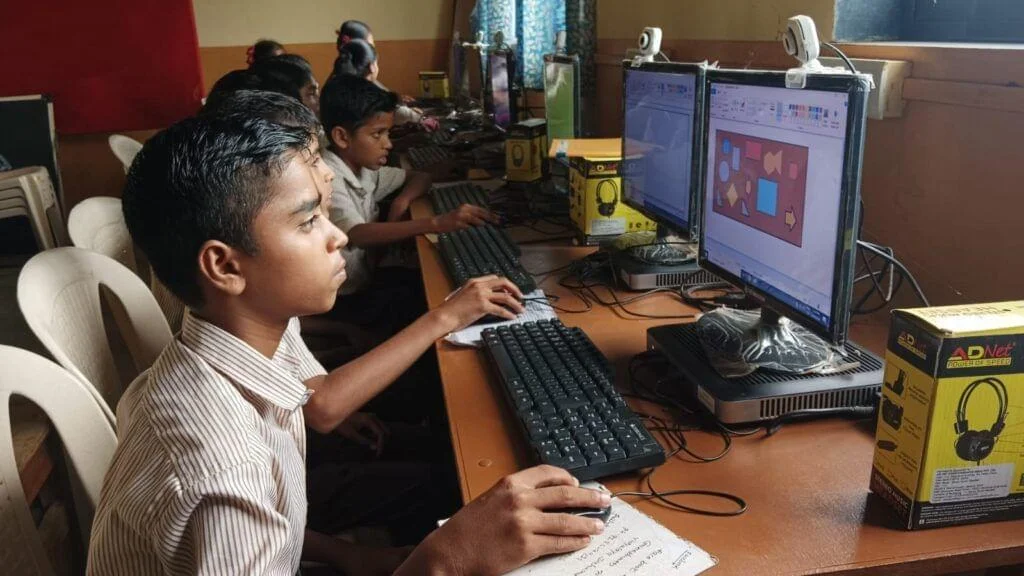
The Hidden Costs of Expensive Computers
- High upfront price: Rs.60,000-1,00,000 for basic laptops forces families to choose between education and other needs.
- Repair and maintenance: Expensive devices mean expensive fixes. One hardware failure can drain your savings.
- Fear of damage: Kids hesitate to use expensive computers, defeating the purpose of hands-on learning.
- Outdated quickly: Costly devices become obsolete faster, pushing families toward another expensive purchase.
- Limited software access: Premium operating systems come with licensing costs that keep piling up.
These hidden costs make expensive computers a burden, not a blessing.
What Your Child Actually Needs for Digital Learning
Here’s the truth: your child doesn’t need a fancy gaming laptop or a premium brand name. They need a reliable device that runs educational software smoothly, has enough storage for projects, and won’t crash during online classes.
A student computer should have:
- Enough RAM to run multiple applications without freezing (8GB is the sweet spot).
- Solid storage space for documents, videos, and projects (128GB SSD works great).
- A clean operating system without bloatware that slows things down.
- Pre-loaded educational software so you dont waste time and money installing programs.
- Parental monitoring tools so you can track your child’s online activity and screen time.
Apna PC delivers exactly this. Built specifically for digital learning, it comes with 8GB RAM, a 128GB SSD, and runs Zorin OS. Zorin is clean, fast, and completely free. No licensing fees, no bloatware, no surprises.
Pre-Loaded Software That’s Ready to Learn
Your child shouldn’t wait weeks to start learning. Apna PC comes pre-loaded with everything they need from day one. LibreOffice handles documents, spreadsheets, and presentations. Scratch teaches coding through visual blocks, perfect for beginners. Apni Prerna lets you monitor your child’s computer activity, giving you peace of mind.
This is a skill development starting point that actually works. Your child can start learning immediately without waiting for software installation or dealing with technical headaches.
Affordability Without Compromise
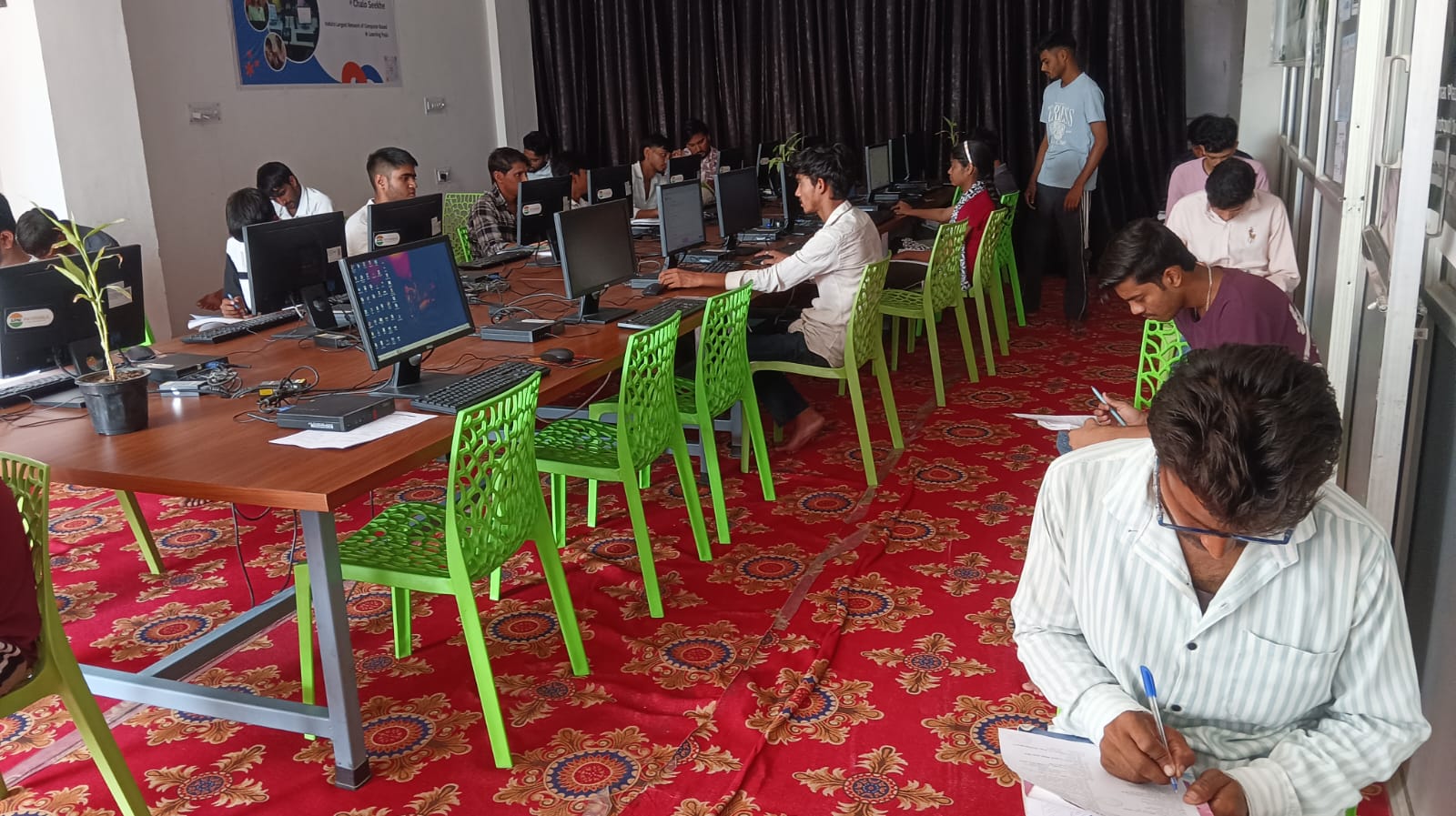
At Rs.30,000 (before shipping and GST), Apna PC costs less than half of what local shops charge for basic laptops. This price point matters. It means a family like Ravi’s can actually afford it. It means your child doesn’t have to share one device with three siblings. It means multiple students in your household can each have their own computer.
Affordable doesn’t mean cheap quality. Apna PC is built for durability. Apni Pathshala, an organisation that understands what Indian students actually need, designed it. We choose every component for reliability, not marketing hype.
Breaking the Digital Divide in Your City
Look around your neighborhood. How many kids have computers at home? In most Tier 2 and Tier 3 cities, the answer is still “not many.” This creates a real divide. Kids with computers progress faster in school. They learn coding and digital skills earlier. They’re more confident with technology. Kids without computers fall behind, not because they’re less capable, but because they lack access.
When you buy an affordable computer for your child, you’re not just helping them. You’re helping your entire community understand that digital education is possible without breaking the bank.
Your Child’s Future Starts Today
According to education in India, the country’s workforce is shifting rapidly toward technology-driven jobs. Your child will compete in a world where digital skills are non-negotiable. Every year without a computer is a year of lost opportunity.
Ravi finally found a solution. He bought Apna PC for both his kids. Priya now attends online classes without stress. Arjun is learning Scratch and building small programs. Their mother is proud. Ravi is relieved. Most importantly, both kids are excited about learning again.
Your family’s story can be the same. Affordable, student-friendly computers make digital education real for everyone. Your child deserves that chance. Visit apnapc.com to learn more.