


Understanding Project-Based Learning and Its Digital Requirements
Project-based learning represents a fundamental shift from traditional rote memorisation to hands-on, experiential education. Students engage with real-world problems, conduct research, collaborate with peers, and produce tangible outcomes. However, modern project-based learning is inherently digital. From accessing online resources to creating multimedia presentations, the entire project-based learning ecosystem relies on computer technology.
When students lack home computer access, they face critical disadvantages. They cannot complete assignments outside school hours, access collaborative tools, or develop essential computer skills that employers now consider non-negotiable. A home computer bridges this gap, enabling continuous learning and skill development that project-based learning demands.
According to research from the Ministry of Education, students with home computer access demonstrate 40% better performance in project-based learning environments. The reasons are straightforward: they have flexibility, can iterate on their work, and develop digital literacy alongside subject knowledge.
How Project-Based Learning Develops Practical Skills Through Computers
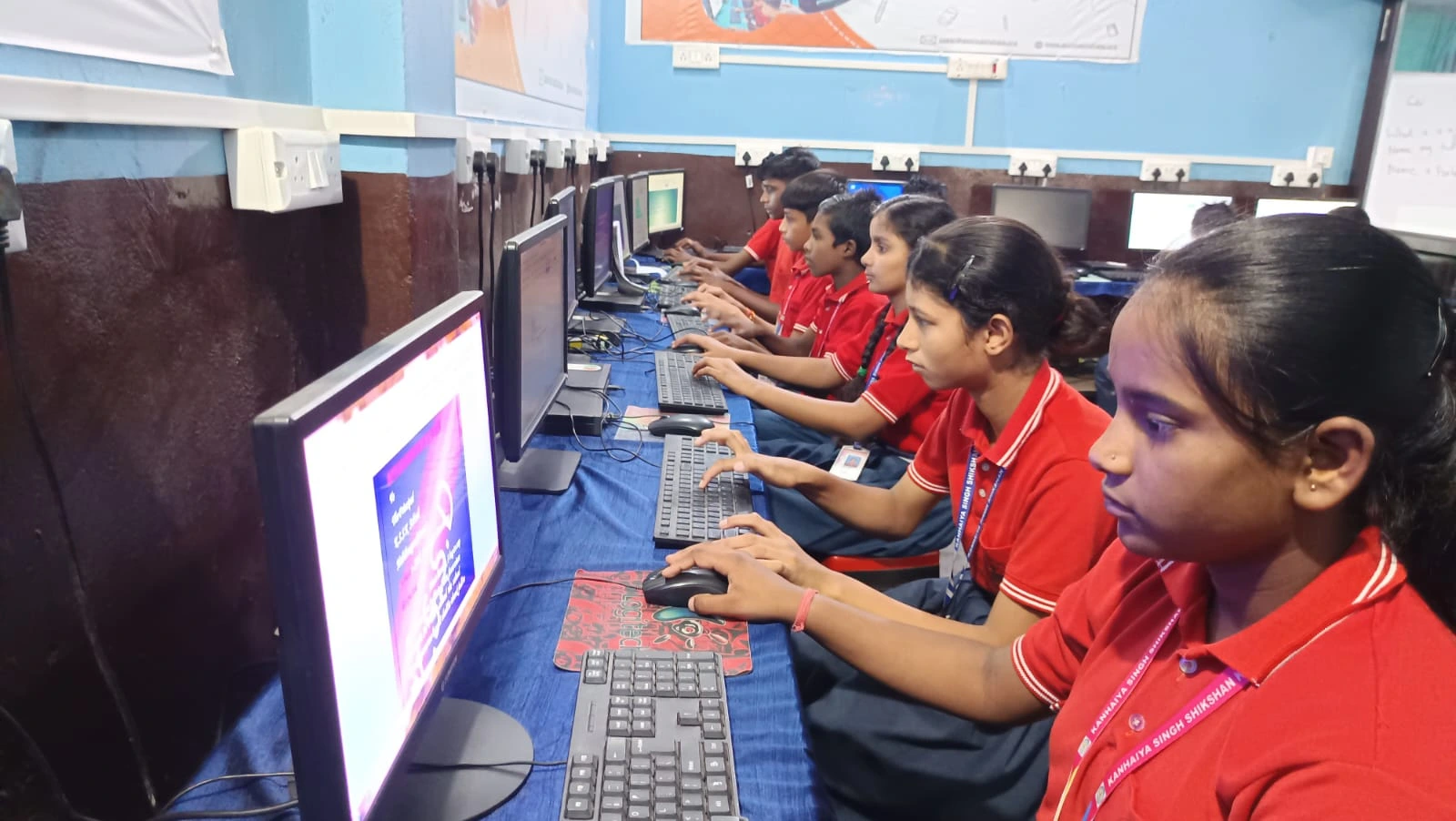
Project-based learning isn’t just about completing assignments; it’s about developing practical skills that shape future careers. When students work on projects on home computers, they build multiple competencies at once. They learn research methodology by navigating online databases, develop communication skills through digital collaboration, and gain technical proficiency with essential software.
Consider a typical science project: a student investigating water pollution. With a home computer, they can access real data from government portals like DIKSHA, create data visualizations, design infographics, and produce professional presentations. Without a computer, they’re limited to textbook information and handwritten notes. The computer transforms the project from informational to transformational.
Practical learning through computers also builds problem-solving skills. Students encounter technical challenges- file formats, software issues, connectivity problems- and learn to troubleshoot independently. These skills transfer directly to professional environments where technical adaptability is crucial. Project-based learning with computers creates confident, capable learners ready for modern careers.
Bridging the Digital Divide: Why Home Computer Access Matters
India’s education system increasingly emphasises project-based learning, but a significant digital divide exists between urban and rural students, and between economically privileged and underprivileged families. Students without home computers cannot fully participate in project-based learning opportunities, creating educational inequity.
The Digital India initiative recognises this challenge, but implementation remains incomplete. Many families still struggle to afford computers, viewing them as luxury items rather than educational necessities. However, affordable options like Apna PC- priced at just Rs.30,000- make home computer ownership accessible to middle-class Indian families.
When families invest in a home computer for project-based learning, they’re investing in educational equity and future opportunities. Students gain the same advantages as their urban counterparts, can participate fully in school projects, and develop computer skills that open doors to higher education and employment.
Student Projects: From Conception to Completion with Home Computers
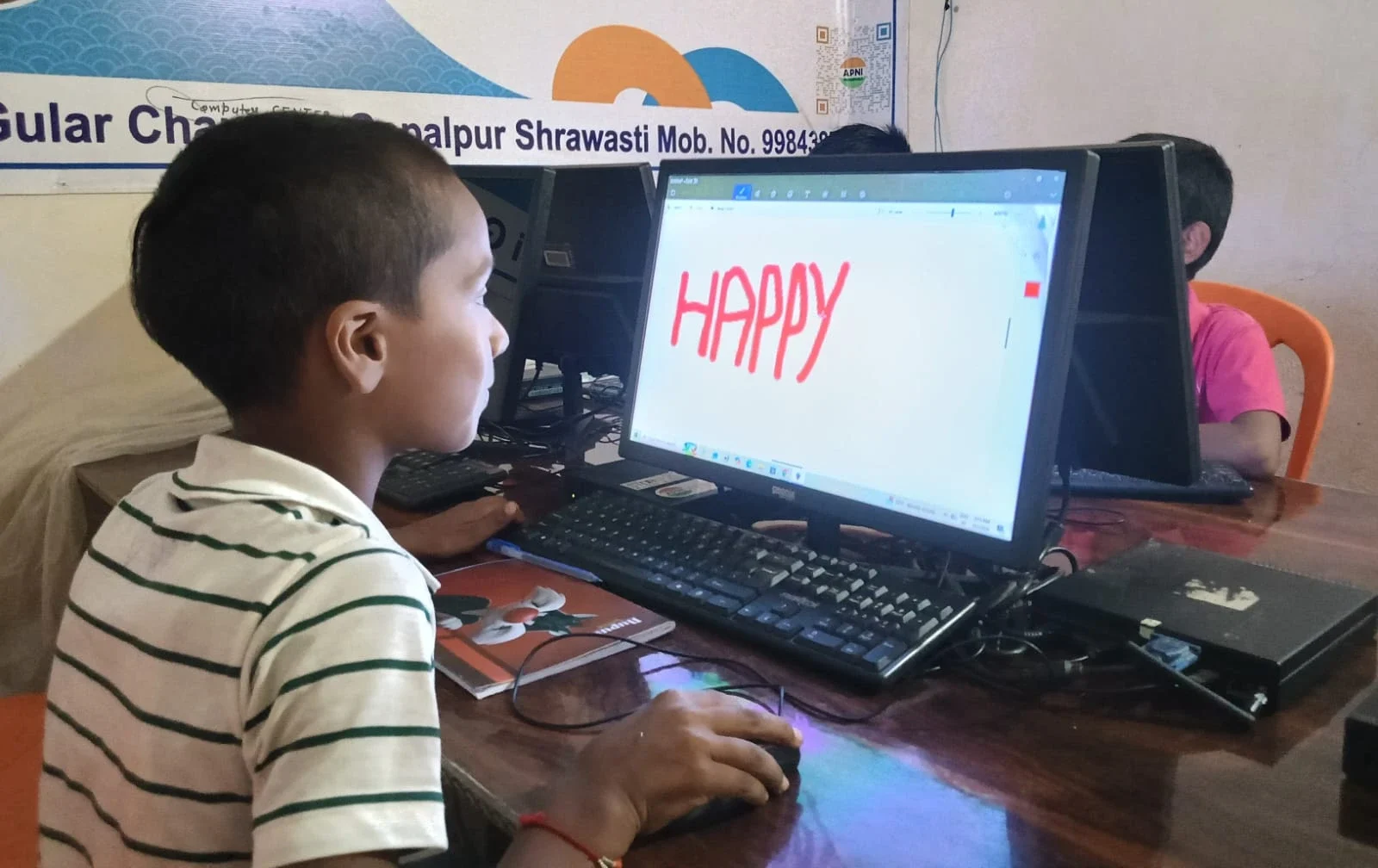
Effective student projects follow a structured process, and each stage benefits from access to home computers. During the research phase, students access online libraries, government databases, and educational resources. The Apni Pathshala platform provides valuable structured learning materials, but students need computers to access them effectively.
In the planning phase, students use project management tools, create timelines, and organise resources- all computer-based activities. During execution, they produce deliverables: presentations, videos, websites, or reports. Finally, during presentation and reflection, they use computers to showcase their work professionally.
Without home computer access, students complete only the initial planning stages at school. They cannot continue work at home, iterate based on feedback, or produce polished final products. Project-based learning becomes fragmented and incomplete. A home computer enables seamless project progression from conception to professional completion.
Developing Essential Computer Skills Through Project-Based Learning
Project-based learning naturally builds the computer skills students need for higher education and careers. Rather than learning software in isolation, students acquire skills in context- learning spreadsheet functions while analysing data, mastering presentation software while showcasing research, and developing coding skills while solving problems.
This integrated approach to computer skills development is far more effective than traditional computer literacy courses. Students understand why they’re learning specific skills and can apply them immediately. A home computer provides the practice environment necessary to develop proficiency.
The CBSE curriculum increasingly emphasises practical computer applications, recognising that today’s students must be digitally competent. Project-based learning at home accelerates this development, giving students competitive advantages in academic and professional spheres.
Overcoming Challenges: Making Project-Based Learning Accessible

Despite the clear benefits, several challenges prevent families from investing in home computers for project-based learning. Cost remains the primary barrier, followed by concerns about screen time and lack of technical support. However, these challenges are surmountable.
Affordable computers like Apna PC address the cost barrier without compromising quality. These machines offer sufficient processing power for educational software, research, and project creation at a price point accessible to Indian middle-class families. At Rs.30,000, Apna PC makes project-based learning genuinely accessible.
Regarding screen time concerns, structured project-based learning actually reduces unproductive screen time. Students engage purposefully with educational content rather than consuming it passively. Parents can set boundaries and monitor usage while enabling genuine learning.
Future-Proofing Education: Why Project-Based Learning Demands Home Computers
The future of education is undeniably digital. Remote learning, hybrid models, and online collaboration have become permanent features of the educational landscape. Students without home computers will face increasing disadvantages as project-based learning becomes the norm rather than the exception.
Digital access is now considered a fundamental educational right. Families that provide home computers give their children this right and position them advantageously for future educational and professional opportunities.
Project-based learning with home computers develops not just subject knowledge but essential 21st-century skills: digital literacy, collaboration, problem-solving, and creativity. These skills determine success in higher education and modern careers far more than traditional academic measures.
Taking Action: Invest in Your Child’s Project-Based Learning Success
If your child is engaged in project-based learning but lacks home computer access, now is the time to invest. Apna PC offers an affordable, reliable solution specifically designed for educational needs. At Rs.30,000, it’s a reasonable investment in your child’s academic success and future career prospects.
When selecting a computer for project-based learning, prioritise reliability, adequate processing power for educational software, and manufacturer support. Apna PC checks all these boxes, making it an excellent choice for Indian families committed to their child’s educational success.
Don’t let your child fall behind in the project-based learning revolution. Give them the tools they need to succeed, build practical skills, and prepare for future opportunities. Visit apnapc.com to learn more.