


A Mother’s Worry in Indore
Priya sat in her small flat in Indore, staring at her son’s report card. Rahul had scored 95 in English, but his computer teacher had written: “Cannot operate basic software. Struggles with typing.” Her heart sank. She’d spent money on English tuition classes, hired a home tutor, and bought expensive books. But she’d never thought about digital skills. Now, watching her neighbours’ children code and create presentations, she realised something had shifted. Digital skills weren’t a luxury anymore. They were as important as English skills, maybe even more so.
If you’re a parent in a Tier 2 or Tier 3 city, you’ve probably felt this same worry. Your child speaks English well, writes good essays, but can they use a computer confidently? Can they navigate the digital world that’s already here? The truth is, digital skills have become the new language of opportunity. And unlike English, most schools aren’t teaching them properly.
Why Digital Skills Matter More Than Ever
Think about what your child will face in five years. Every job, from engineering to commerce to teaching, requires working with computers. The Digital India initiative has brought the internet to villages, but it’s also brought expectations. Your child won’t just need to use a computer. They’ll need to think like one.
Digital skills aren’t just about typing or browsing. They include:
- Coding and programming – Teaching your brain to solve problems step by step
- Document creation – Writing reports, creating presentations for school projects
- Online safety – Understanding how to protect personal information
- Problem-solving with technology – Using tools to find answers, not just memorising them
- Creativity through software – Making videos, designing graphics, building digital projects
English skills help your child communicate with people. Digital skills help your child communicate with the future. And that future is already here.
The English Skills Aren’t Going Away
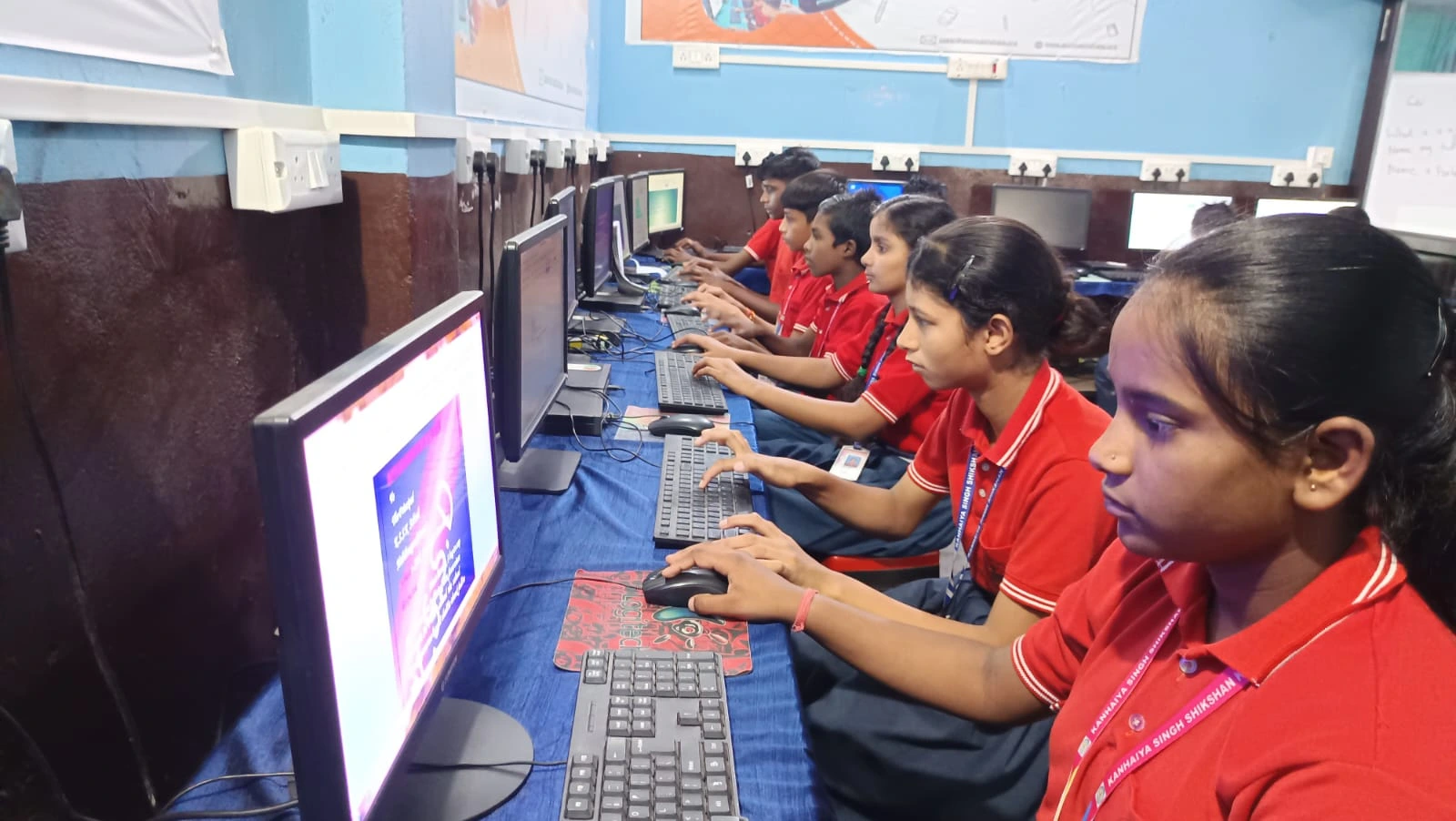
Let’s be clear: English is still crucial. Your child still needs to speak, read, and write well. But here’s the shift you need to understand. English is now a foundation, not a destination. It’s like learning to walk. Important, yes. But you also need to learn to run, jump, and dance.
When your child applies for a job at 21, the company won’t just ask, “Can you speak English?” They’ll ask, “Can you use our software? Can you create a digital presentation? Can you troubleshoot problems?” A child who speaks perfect English but can’t open a spreadsheet will struggle. A child who speaks decent English but can code, design, and create digital content will stand out.
The Digital India movement has already changed what “educated” means. It’s not just about book knowledge anymore.
The Real Problem: Access and Confidence
You might be thinking, “My child uses a phone. Isn’t that digital?” Not really. Using apps on a phone is different from understanding how computers work. It’s the difference between watching a cooking show and actually cooking a meal. Your child needs hands-on experience with a real computer, real software, and real projects.
The bigger problem? Many families in Tier 2 and Tier 3 cities don’t have a computer at home. Schools have computer labs, but students get maybe one hour a week. That’s not enough. A real no-computer-at-home learning gap is affecting thousands of children right now.
Without a computer at home, your child can’t practice. They can’t build confidence. They can’t explore and learn at their own pace. And that’s where the gap between your child and children in metro cities grows wider every single day.
What You Can Do Starting Today
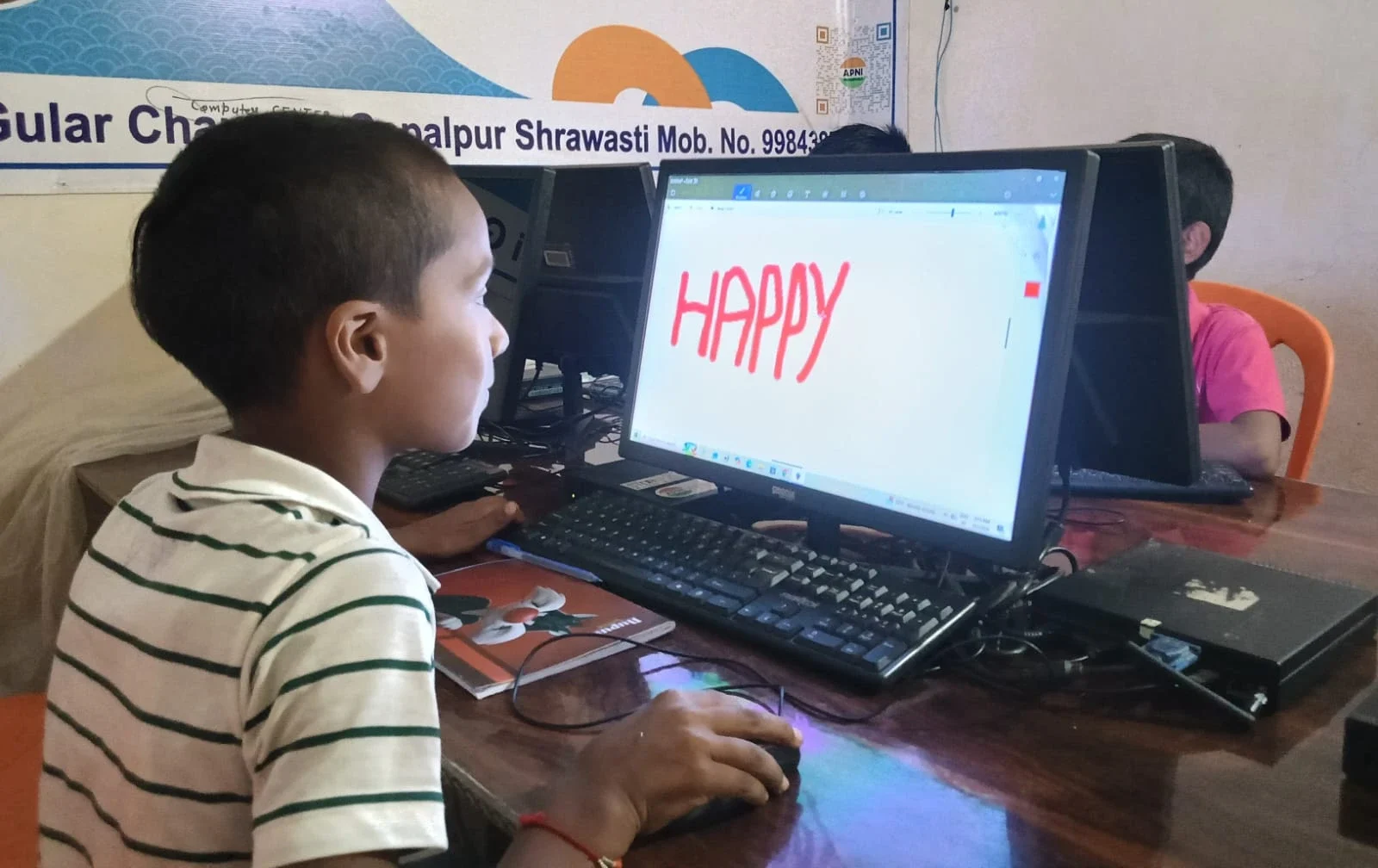
First, stop treating computers as optional. They’re as essential as textbooks now. Your child needs access to a computer at home, just like they need access to books.
Second, focus on learning by doing, not just learning by watching. Your child shouldn’t just watch someone use software. They should sit down, hands on the keyboard, and create something. Build a project. Write a story in a word processor. Draw a picture. Code a simple game. That’s how digital skills stick.
Third, look for tools designed for learning, not just entertainment. A gaming laptop and an educational computer are different. Apni Pathshala has created Apna PC exactly for this reason. It’s a computer built for students like yours. It comes preloaded with Scratch for coding, LibreOffice for documents, and Apni Prerna so you can monitor your child’s learning progress. It costs Rs.30,000 (shipping and GST excluded). That’s less than a year of English tuition classes.
Apna PC comes with 8GB RAM and a 128GB SSD, so your child can run real software, create real projects, and build real digital skills. It runs on Zorin OS, which is simple, safe, and perfect for learning.
The Future Belongs to Those Who Can Do Both
Your child doesn’t have to choose between English and digital skills. They need both. But here’s what’s changing: English alone won’t be enough anymore. Your child needs to be bilingual in a new way. Fluent in English words and fluent in digital tools.
Priya from Indore finally understood this. She enrolled Rahul in a coding class and got him a computer at home. Six months later, he built a small app for his school project. His English teacher was impressed. His computer teacher was amazed. Most importantly, Rahul felt confident. He wasn’t afraid of technology anymore. He was curious about it.
That’s the shift you need to make too. Digital skills aren’t extra. They’re essential. And the time to start is now, while your child is still in school, while they have time to practice, to fail, to learn, and to grow.
Your child’s future depends on it. Visit apnapc.com to learn more.