


Every day, students make decisions online: choosing a course, picking a project topic, buying a laptop, or even selecting a career path. But most are never taught how to search, compare, and decide effectively. Online research skills are no longer optional; they are essential for academic success and real-world readiness.
The Problem: Students Are Lost Online
A student searching for “best laptop for college” gets 10 million results. Without search skills, they either click the first link, trust a random ad, or scroll endlessly without confidence. This wastes time, leads to poor choices, and creates frustration.
According to UNESCO’s global education research, digital literacy, including the ability to search and evaluate information, is a core 21st-century skill that most Indian students lack.
What Are Online Research Skills?
Online research skills combine three abilities:
- Search: Using keywords, filters, and advanced techniques to find the right information quickly.
- Compare: Evaluating sources for credibility, bias, and relevance; not every website tells the truth.
- Decide: Synthesising information to make a confident, informed choice.
These are not “tech skills”- they are decision-making skills that apply to every subject and every career.
Why This Matters for Students
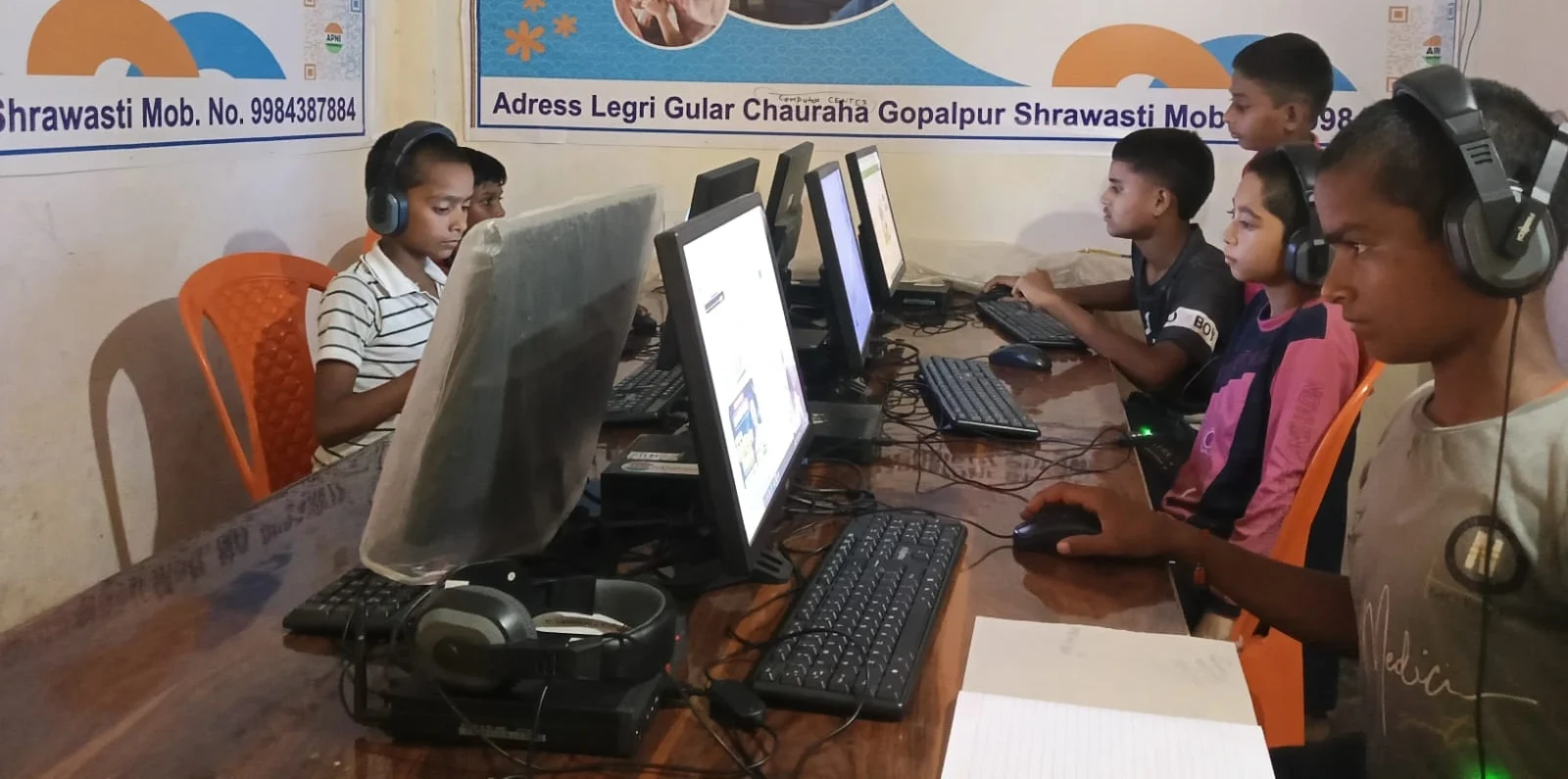
From school projects to college admissions, students constantly need to find and use information. The Indian Ministry of Education emphasises integrating digital literacy into school curricula to prepare students for the modern workforce.
Consider these real scenarios:
- A Class 12 student researching career options- how do they know which source is reliable?
- A college student comparing online courses- how do they identify which platform offers real value?
- A student evaluating a scholarship- how do they spot scams versus genuine opportunities?
Without search skills and digital literacy, students are vulnerable to misinformation and poor decisions.
How Schools Can Teach Online Research Skills
The good news: schools can teach these skills. Here are practical approaches schools and parents can use:
1. Teach Search Techniques Early
Students should learn to use quotation marks for exact phrases, minus signs to exclude results, and site-specific searches (like searching only on .gov or .edu domains). These simple techniques dramatically improve online research skills.
2. Evaluate Sources with the CRAAP Test
The CRAAP framework helps students assess sources by Currency, Relevance, Authority, Accuracy, and Purpose. This is a proven method taught in universities worldwide and is essential for decision-making online.
3. Practice Comparing Multiple Sources
Give students the same question and ask them to find three different sources. Then discuss which source is most credible and why. This builds search skills and critical thinking at the same time.
4. Teach Students to Cross-Verify
If a website makes a claim, can students find the same information on at least two other trusted sources? The DIKSHA digital learning platform offers excellent resources for building these verification habits.
The Role of Parents
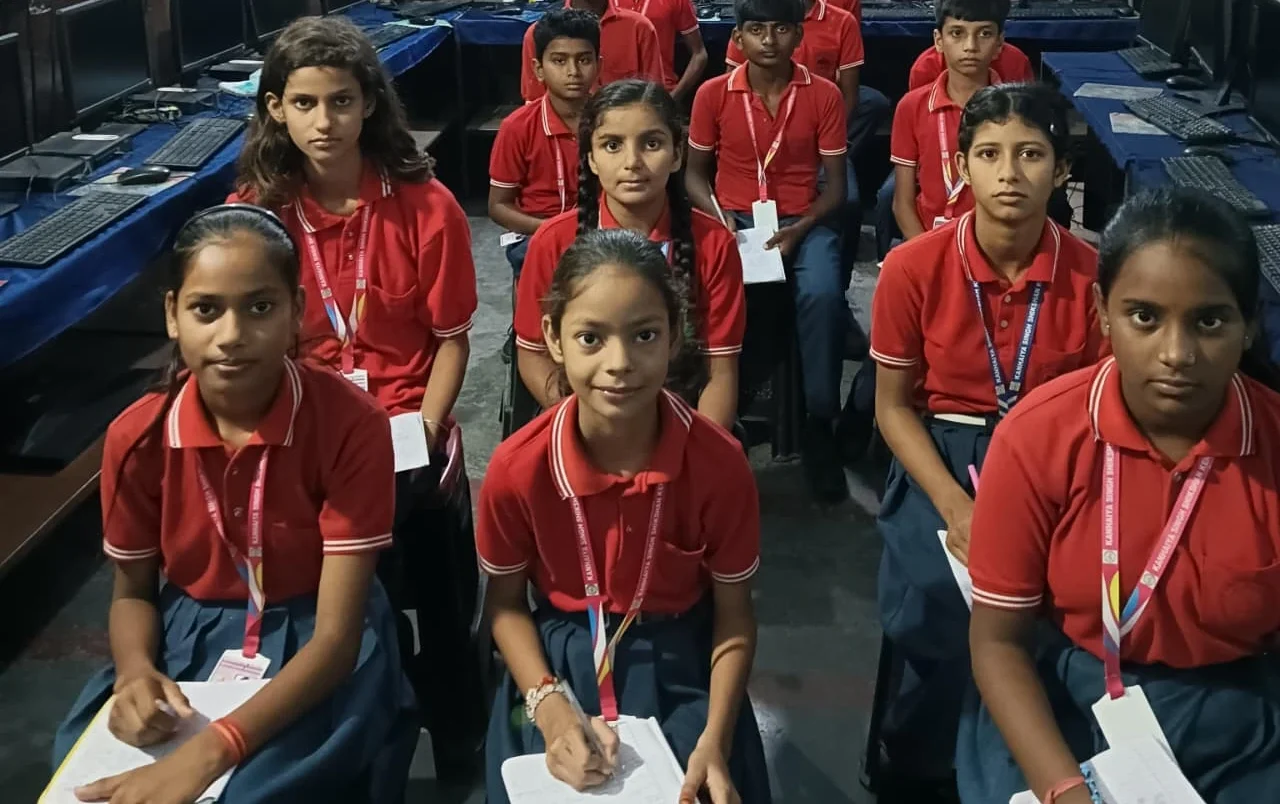
Parents often worry about screen time, but the bigger concern should be screen quality. Instead of limiting online activity, teach children how to use it productively. Sit with them when they research. Ask: “How do you know this is true?” and “What other sources say the same thing?” These questions build digital literacy naturally.
Real Benefits of Online Research Skills
Students who master online research skills enjoy:
- Better grades: Well-researched assignments score higher.
- Faster homework: Efficient searching saves hours every week.
- Better decisions: From choosing the right college to buying the right tech, decision-making improves with practice.
- Career readiness: Every modern job requires the ability to find, evaluate, and use information effectively.
How Apna PC Helps
Apna PC provides a complete computer solution- hardware, software, and training- at an affordable price of Rs. 30,000. With a computer at home, students can practice search skills daily, build digital literacy, and develop the confidence to make smart decisions online.
Visit apnapc.com to learn more.
Conclusion
Teaching students to search, compare, and decide online is not a luxury; it is a necessity. Schools must include digital literacy and online research skills in their curriculum. Parents must encourage productive screen time. And students must take ownership of learning how to navigate the internet wisely.
The world of information is vast. Give students the skills to use it, not be overwhelmed by it.