


Rajesh’s Wake-Up Call: When Screen Time Became a Problem
Rajesh sits in his Pune apartment, watching his 10-year-old son Arjun scroll through YouTube Shorts for the third hour straight. The boy’s fingers swipe mechanically. His eyes are glazed. Rajesh feels that familiar knot in his stomach; the one that started when Arjun’s school closed during lockdown. Back then, screens were necessary. Now, even with school open, Arjun can’t put his phone down. He’s consuming videos, games, reels, but creating nothing. Rajesh wonders: is this what digital learning was supposed to become?
If your family feels like this, you’re not alone. Millions of Indian parents in tier-2 and tier-3 cities face the same dilemma. Your child has access to screens, but that access has become passive. They watch, they tap, they scroll; but they don’t build, design, or make anything. This is the difference between creative learning and mindless consumption, and it matters far more than you think.
The Gap Between Watching and Creating
Your child can watch a YouTube coding tutorial. They can see someone build a game in Scratch. They can consume educational content on the DIKSHA digital learning platform. But watching isn’t learning. Real learning happens when your child sits down and creates something on their own.
Creative learning is active. It’s when your son builds his first computer program. It’s when your daughter designs a digital poster for her school project. It’s when they solve problems by making things, not just by watching others make things. This type of engagement rewires how children think about technology itself.
- Passive consumption: Child watches a video, forgets it in 10 minutes
- Creative learning: Child builds a small game in Scratch, remembers the logic for months
- Passive consumption: Child scrolls through endless feeds, develops a shorter attention span
- Creative learning: Child focuses on a project for hours, builds deep concentration
The research backs this up. According to the science of learning, children retain 90% of what they do, versus only 10% of what they watch. Your child’s brain is wired to learn through doing, not through passive observation.
Why Digital Creation Matters for Your Child’s Future
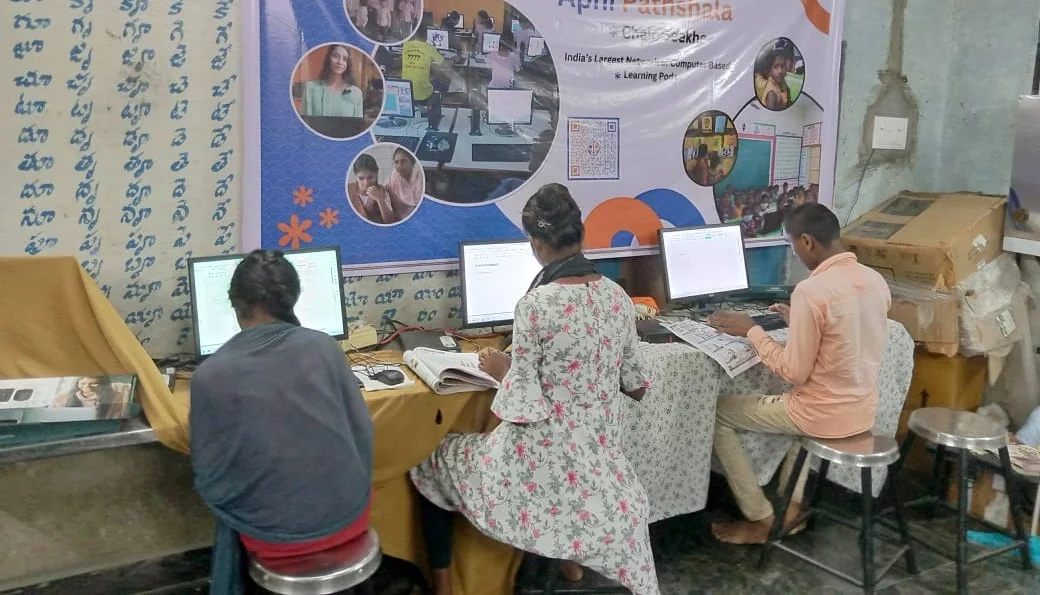
Think about the jobs that will exist when your child grows up. Most will require digital skills. But not just consumption skills; creation skills. Your child needs to know how to use a computer to build things, solve problems, and express ideas. This isn’t optional anymore. It’s foundational, like reading and writing.
When your child learns digital creation early, they develop confidence. They stop seeing computers as entertainment devices and start seeing them as tools. They understand that technology isn’t magic; it’s something they can control and manipulate. This shift in mindset is powerful.
Student creativity flourishes when children have the right tools and environment. A tablet for watching videos isn’t the same as a proper computer for creating. Your child needs a machine that can run design software, coding platforms, and productivity tools. They need an operating system that doesn’t distract them with notifications and ads.
The Role of the Right Computer in Creative Learning
Here’s what many parents miss: the device matters. Not because expensive is better, but because the right device removes barriers. A computer designed for students, pre-loaded with creation tools, makes starting projects easy.
Apna PC is built exactly for this purpose. It comes with Scratch pre-installed; a platform where your child can build games and interactive stories from day one. It includes LibreOffice for documents and presentations. It runs Zorin OS, a clean operating system without the distractions of commercial software pushing ads and notifications. Most importantly, it’s priced for Indian middle-class families: Rs.30,000 (shipping and GST excluded).
With 8GB RAM and 128GB SSD, your child gets a machine that’s fast enough for real work but not so expensive that you lose sleep over it. It’s designed for middle-class families who want their children to learn, not just consume.
What Your Child Can Create With Creative Learning Tools
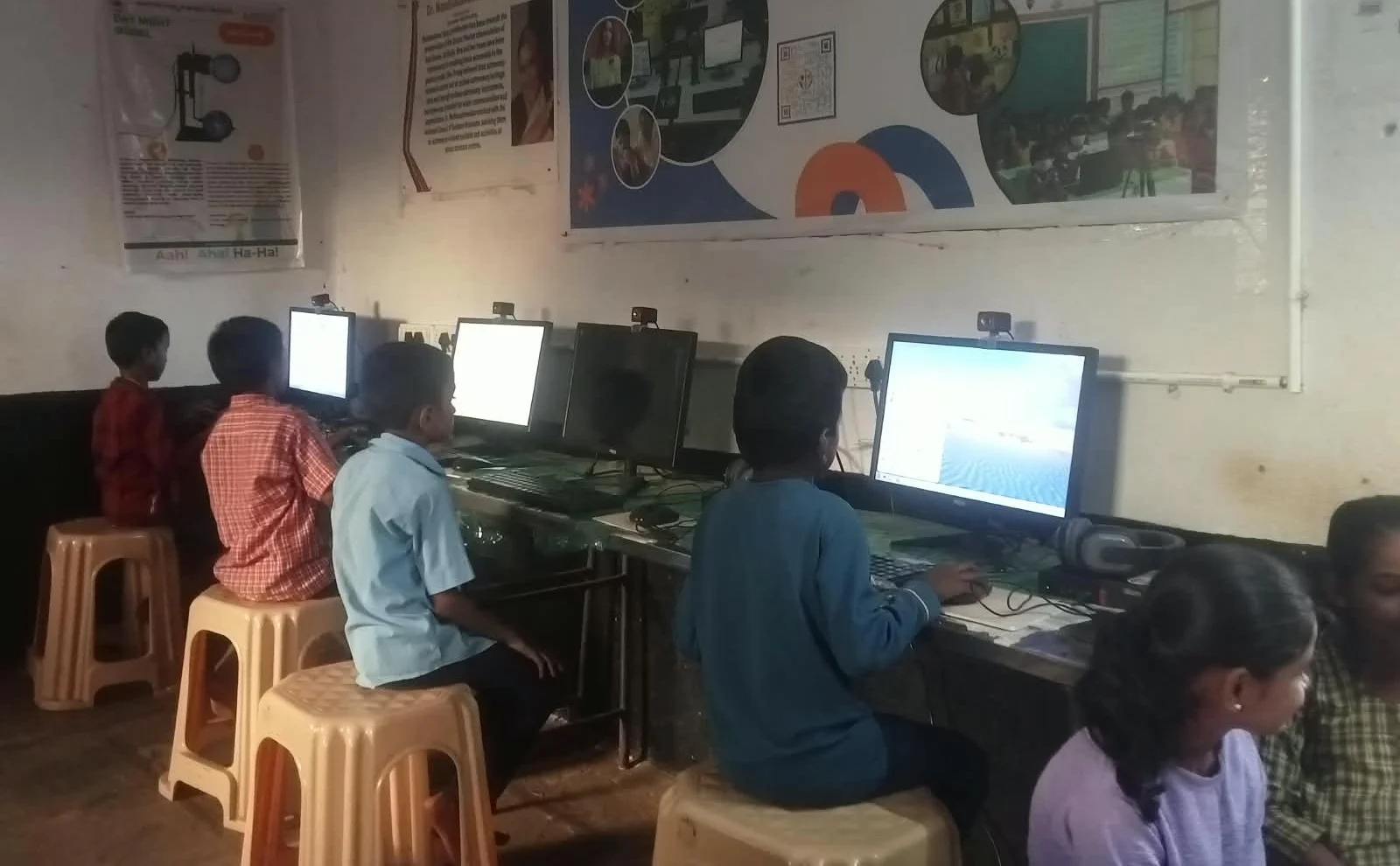
Imagine your 10-year-old building their first interactive story in Scratch. Imagine your 12-year-old designing a poster for her science project in LibreOffice Draw. Imagine your 11-year-old understanding how websites work because they’ve built one themselves.
These aren’t fantasy scenarios. Children do these things every day with the right tools and encouragement. Creative learning doesn’t require expensive software or complicated setups. It requires a computer that’s ready to go, with the right programs already there.
Breaking the Consumption Cycle
The hardest part isn’t finding tools. It’s changing habits. Your child has learned that screens are for passive consumption. Breaking that pattern takes intention.
Start small. Don’t throw away the tablet. Instead, introduce a dedicated device for creation. Set specific times for creation projects. Make it a family activity; sit with your child while they build something. Ask questions. Let them teach you how it works.
This shift from consumer to creator is where real digital literacy begins. Your child stops being a passive technology user and becomes an active builder. They understand that computers are tools for expression, not just entertainment.
The Long-Term Impact on Your Child
Children who learn creative skills early develop problem-solving abilities that transfer to every subject. Math becomes less abstract when they build a game that uses it. Language skills improve as they write code with precise syntax. Science concepts stick when they’re creating digital simulations.
Beyond academics, creative learning builds confidence. Your child learns that they can figure things out. They can make mistakes, debug, and try again. This resilience is invaluable. It’s the foundation for success in any field.
Understanding how a child’s first computer shapes digital habits is crucial for parents. The choices you make now- what device you buy, what software is available, what you encourage- will influence how your child relates to technology for years to come.
Making the Decision for Your Family
If you’re reading this, you already sense that something needs to change. Your child’s screen time isn’t serving them well. They’re not learning. They’re not creating. They’re just consuming, and it’s making them passive.
You don’t need an expensive laptop or complicated setup. You need a computer designed for this exact purpose: student creativity through digital creation. A machine that’s affordable, reliable, and pre-loaded with the right tools.
Your child can be a creator, not just a consumer. They have ideas, imagination, and curiosity. They just need the right environment to express them. A proper computer, with the right software, can unlock that potential.
The choice is yours. You can continue down the path of passive consumption, or you can invest in creative learning. Your child’s digital future depends on the decision you make today. Visit apnapc.com to learn more.