


The Problem With Textbooks Alone: Ravi’s Story
Ravi sits at his desk in Indore, staring at his Class 9 Science textbook. He’s memorised every definition about electricity, scored 92 on the last exam, yet can’t explain to his father why the ceiling fan isn’t working. His mother wonders: why does her son know so much but can’t do anything practical? This is the gap between marks and real skills that millions of Indian families face today.
Your child might be brilliant on paper but struggling in the real world. Project based learning bridges this gap by turning abstract concepts into hands-on experience. When students work on actual projects instead of just completing assignments, they develop practical learning skills that textbooks never teach. This approach builds confidence, creativity, and the ability to solve real problems.
Why Project Based Learning Changes Everything
Traditional assignments ask: “Write an essay on renewable energy.” Project based learning asks: “Build a working solar charger and present it.” The difference isn’t just in the task, it’s in what your child’s brain actually does. During practical learning, students connect theory to reality, make mistakes safely, and learn from them.
When Priya from Nagpur built her first website as a school project, she learned HTML faster than any tutorial could teach. She wasn’t just reading code, she was creating something she could see and use. This is skill based learning at its core. Your child remembers 10% of what they read, but 90% of what they do and create.
- Memory sticks longer: Building something teaches more than reading about it
- Confidence grows: Completing real projects gives genuine achievement
- Future jobs demand it: Employers want doers, not just test-takers
- Problem-solving improves: Projects force creative thinking and adaptation
Student projects aren’t just busy work. They’re the training ground for the skills your child will actually need after school ends.
The Skills Gap Your Child Faces
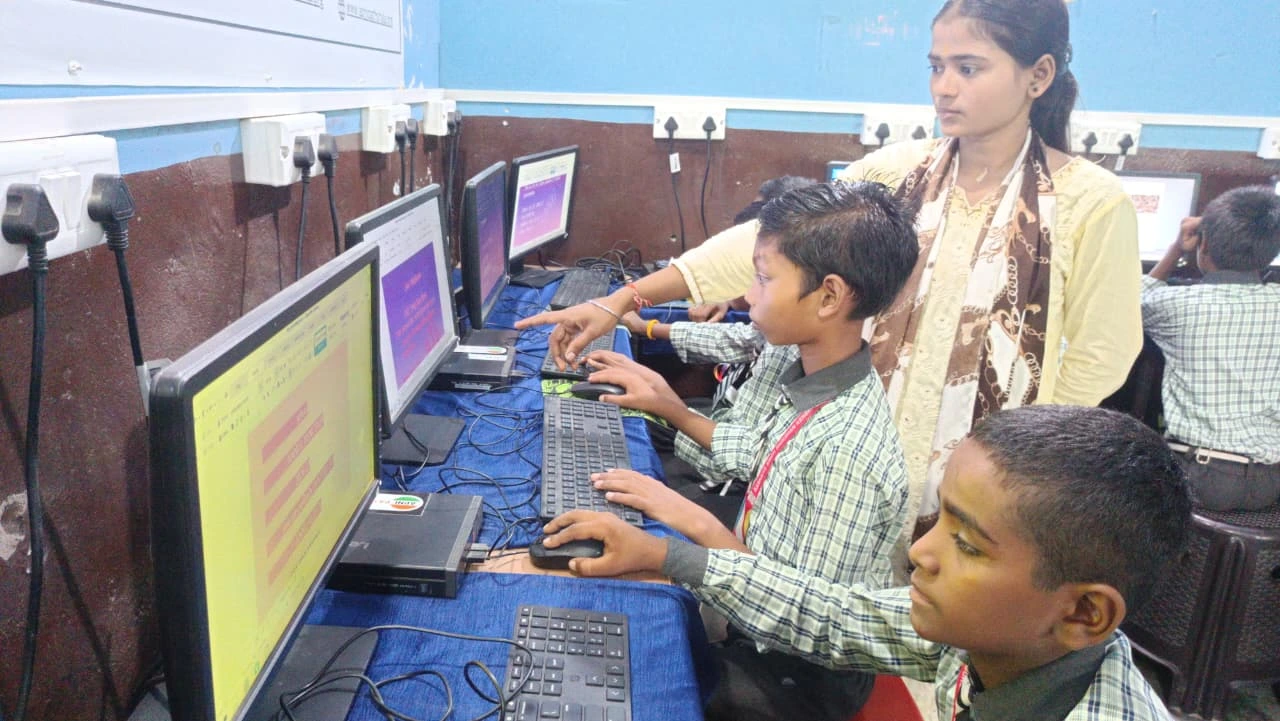
India’s education system excels at creating toppers, not thinkers. Your child can solve a calculus problem in seconds but might struggle to use a computer properly. They know the definition of coding but can’t write even a simple program. This isn’t their fault, it’s the system’s fault.
When students engage in practical learning through real student projects, everything shifts. They learn to troubleshoot, to persist when things break, to ask better questions. These are the exact skills that separate successful professionals from those who struggle despite high marks.
A survey of Indian IT companies shows that 60% of fresh graduates lack practical skills, even with good degrees. They were never given the chance to build, to experiment, to fail safely in school. By the time they reach college, it’s harder to develop these habits.
How Project Based Learning Works in Your Home
You don’t need expensive coaching or fancy labs. Project based learning can happen with simple tools and real problems. Your child can build a water filter, create a budget tracker, design a game, or automate something in your home. The key is that they’re creating something real, not just answering questions from a worksheet.
This is where learning by doing becomes powerful. When your child has access to a computer designed for learning, they can explore coding, digital design, and technology projects right from home. The Apna PC comes pre-loaded with Scratch for visual programming and LibreOffice for creating real documents and spreadsheets. These tools let your child start small projects immediately.
Imagine your daughter creating a presentation about her school project, editing it herself, and presenting it with confidence. Or your son writing a simple game in Scratch and showing his friends what he built. These aren’t just school tasks, they’re real skills being developed.
Practical Learning Tools That Actually Work
The challenge most parents face is: how do I set up the right environment for my child to do project based learning? You need a device that doesn’t distract with games and social media, but focuses on creation and learning. You need software that’s educational, not complicated. You need support and guidance.
The Apna PC is built exactly for this. At Rs. 30,000 (before shipping and GST), it’s designed specifically for student projects and skill based learning. It comes with 8GB RAM and 128GB SSD, enough power for real work. The Zorin OS is clean and focused, Scratch lets your child code, and LibreOffice is the same tool used in offices worldwide.
What makes it special isn’t just the hardware. Apni Prerna, the student monitoring system, lets you see what your child is working on without being invasive. You can understand their progress, their interests, and guide them toward better projects. This is practice-based learning with actual parental involvement.
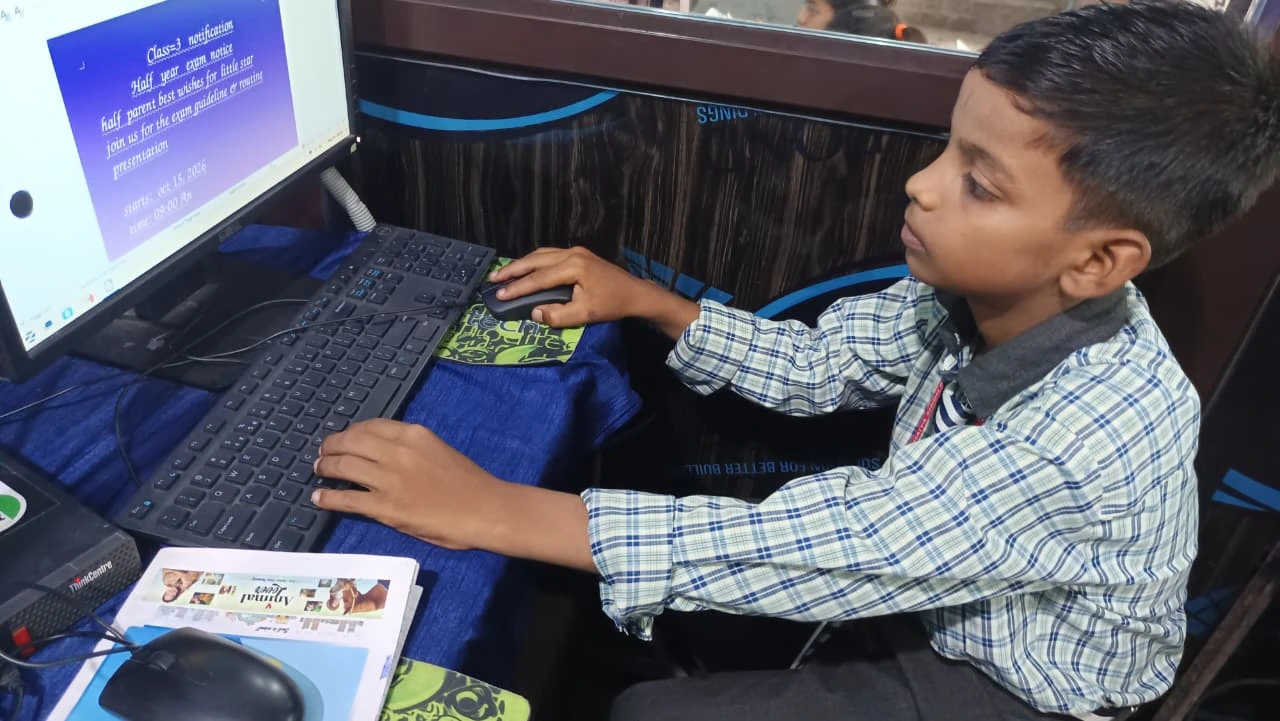
Real Projects Your Child Can Start Today
Don’t wait for school to assign projects. Start now. Here are practical student projects your child can begin this week:
- Create a family budget tracker in a spreadsheet
- Write a simple game in Scratch (no coding experience needed)
- Design a poster for a cause they care about
- Research and present on a topic using slides and visuals
- Build a simple website about their hobby or interest
Each of these teaches real skills. Your child learns to plan, organise, create, and present. These are the foundations of skill based learning that will serve them for life.
Why Your Child’s Future Depends on This Now
The jobs of tomorrow won’t care about your child’s board exam marks. They’ll care about what they can actually build, create, and solve. According to the wikipedia learning article, practical, hands-on learning creates stronger neural pathways than passive learning. Your child’s brain is literally wired differently when they learn by doing.
Schools are slowly catching up to this reality. Platforms like DIKSHA digital learning platform are pushing for more interactive, project based learning across India. But don’t wait for your school to catch up. You can start at home right now.
Project based learning isn’t extra work, it’s smarter work. It’s the difference between your child being a passive consumer of education and an active creator of their own skills. When they have the right tools and support, they’ll surprise you with what they can accomplish.
Your child’s confidence, creativity, and real-world readiness start with projects, not just assignments. Invest in their practical learning today, and watch them build the skills that matter. Visit apnapc.com to learn more.