


Ravi’s Story: When Textbooks Weren’t Enough
Last year, Ravi’s mother, Priya, sat across from his school counsellor in Indore, worried. Her 9-year-old son wasn’t doing well in his computer class, even though he loved taking apart his old phone to see how it worked. “He needs to learn by doing, not just reading,” the counselor said. Priya felt stuck. Most computers in their tier 2 city were expensive, and the ones they could afford came loaded with games and distractions. She needed something different. Something built for hands-on learning that matched how her son’s brain actually worked.
If your child is like Ravi, you know the feeling. They learn best by doing, touching, experimenting, and building things with their own hands. Traditional textbooks and passive video lessons leave them bored and confused. That’s where Apna PC steps in as a game-changer for active learning in Indian homes.
Why Hands-On Learning Works for Your Child
When children engage in hands-on learning, their brains create stronger connections than passive reading ever could. Research on experiential learning shows that doing builds memory, confidence, and real understanding. Your child doesn’t just memorise facts. They experience them.
Think about it this way. Reading about how to ride a bike doesn’t teach you to ride. You need to get on, feel the balance, fall, try again, and learn through your body’s experience. Computer learning works the same way. Your child needs to open a program, click buttons, make mistakes, fix them, and understand cause and effect in real time.
Active learning also builds problem-solving skills that sit-and-listen classes can’t touch. When your child encounters an error message or a code that doesn’t work, they learn to think through solutions instead of waiting for answers.
What Makes Apna PC Perfect for Hands-On Learners
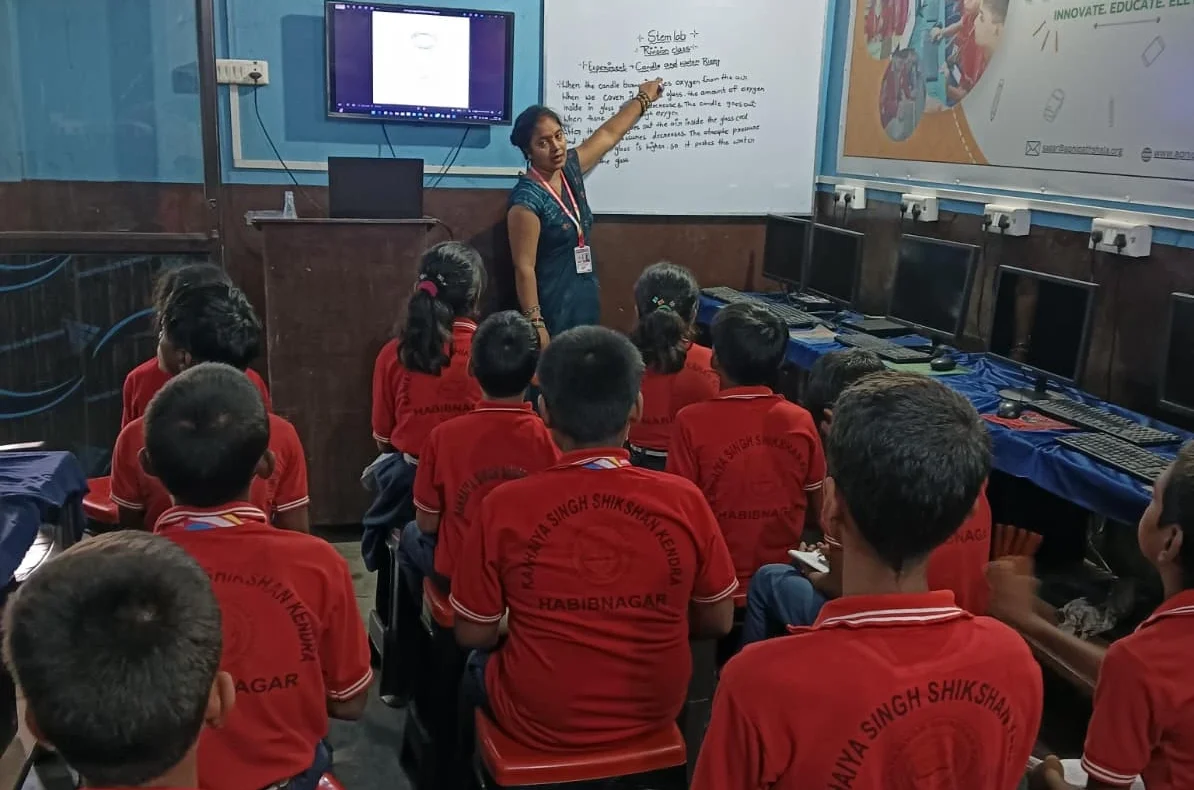
Apna PC isn’t just another computer. It’s built specifically for Indian students who learn by doing. At Rs. 30,000 (excluding shipping and GST), it’s designed to be affordable for families in tier 2 and tier 3 cities like yours.
The real magic is what’s inside. Apna PC comes pre-loaded with Scratch, a visual programming tool where your child can create games, animations, and stories by dragging and dropping blocks, without typing complex code. No frustration. Just pure hands-on experimentation. Your child builds something, sees it move on screen, and understands programming through action.
It also includes Zorin OS, a beginner-friendly operating system that’s safer and cleaner than Windows. LibreOffice comes ready for document creation and spreadsheet work. And Apni Prerna gives you gentle monitoring of what your child’s doing, so you won’t worry about screen time spiralling.
With 8GB RAM and 128GB SSD storage, Apna PC runs smoothly without lag. Your child won’t get frustrated waiting for programs to load. They can focus on learning, not on technical headaches.
Building Real Skills Through Doing
When your child uses Apna PC, they’re not just learning computer theory. They’re building actual skills they’ll use for life. They learn to understand how computers work from the inside out. They see that someone builds every program, and they can build programs too.
Scratch lets your child create a game where a character moves around and collects points. To do this, they need to think about logic, sequences, and cause and effect. They learn computational thinking without realising it. When the game doesn’t work, they debug it. When they finish, they feel proud. That’s the power of hands-on learning.
Your child can also access educational resources through the DIKSHA digital learning platform on Apna PC, connecting to quality content aligned with Indian school curricula. This isn’t isolated learning. It’s connected to what they’re studying in class.
Supporting Independent Learning at Home
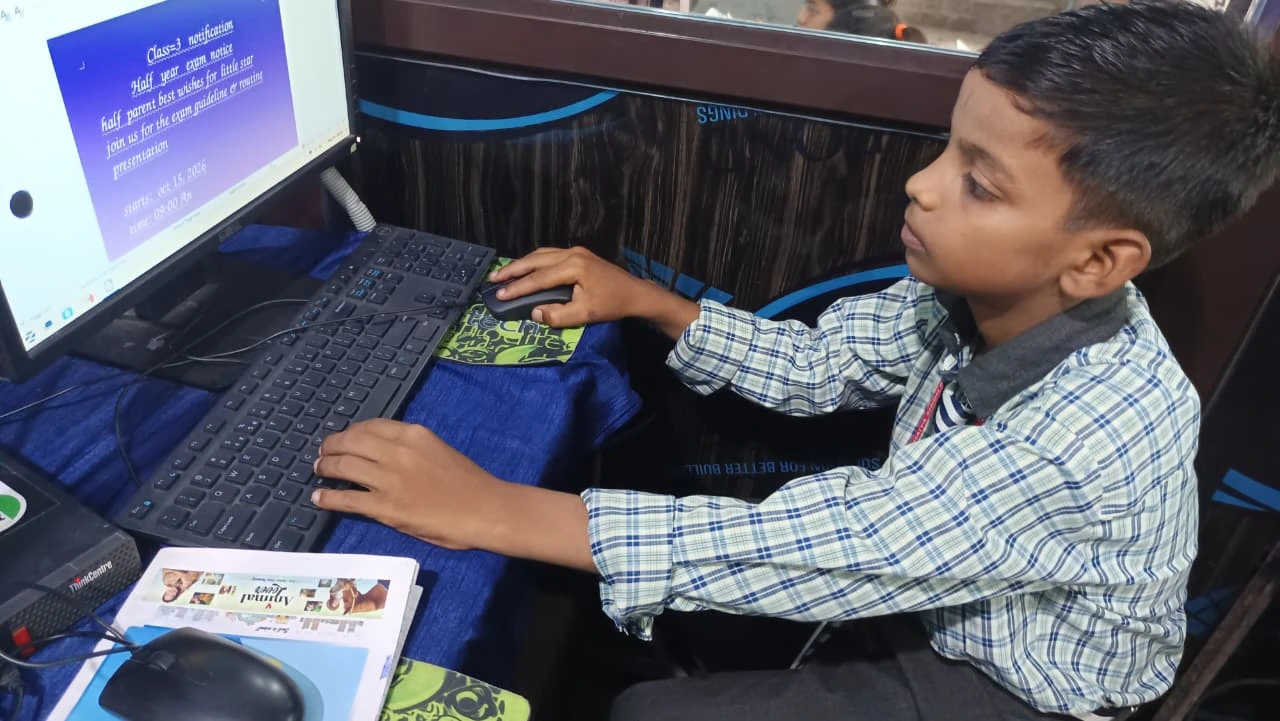
One of the biggest gifts you can give your child is the ability to learn independently. Apna PC helps your child build independent learning habits because it’s designed for self-directed exploration. Your child can open Scratch and start creating without needing you to guide every step.
This doesn’t mean you’re absent. You’re there to encourage, ask questions, and celebrate discoveries. But your child learns that they can figure things out, try new things, and solve problems on their own. That confidence spreads to other areas of their life.
In tier 2 and tier 3 cities, where access to quality computer education can be limited, Apna PC brings that access into your home. Your child doesn’t need to wait for a computer lab at school. They have a tool for hands-on learning right there.
Choosing the Right Tool for Your Child’s Learning Style
Every child learns differently. Some kids thrive with textbooks. Others need to touch, click, experiment, and build. If your child is the second type, passive learning methods will always feel wrong. You’ll see frustration, boredom, and wasted potential.
Apna PC recognises that hands-on learning isn’t a luxury. It’s how many children’s brains are wired. By giving your child a computer built for active learning, you’re not just buying hardware. You’re investing in a learning style that matches who your child actually is.
The price point matters too. At Rs. 30,000, Apna PC is accessible to families who care deeply about education but can’t afford premium laptops. You get quality, purpose-built learning hardware without the premium brand markup.
Your child deserves tools that match their learning style. Apna PC is built for kids who learn best by doing, and it’s built for Indian families like yours. Visit apnapc.com to learn more.