


When a student asks “why do I need to learn this?”, they are asking a real question that deserves a real answer, not just “because it’s on the exam”. Connecting school subjects to purpose is one of the most effective ways to build lasting motivation. A computer that shows students how subjects apply in practice helps more than any lecture about future exams.
Why Do Students Ask ‘Why Do I Need to Learn This?’
Students ask this question when the connection between a subject and their real life is not obvious. They are not being lazy. They are asking for relevance. When a student cannot see why algebra matters or why history is worth memorising, their brain treats the material as low priority and stores less of it.
The most practical answer is to show rather than tell. When a student can use a subject to build something, solve a real problem, or create something visible, the question answers itself. A computer gives many opportunities for this kind of applied learning.
How Can a Computer Help Students See the Purpose of What They Learn?
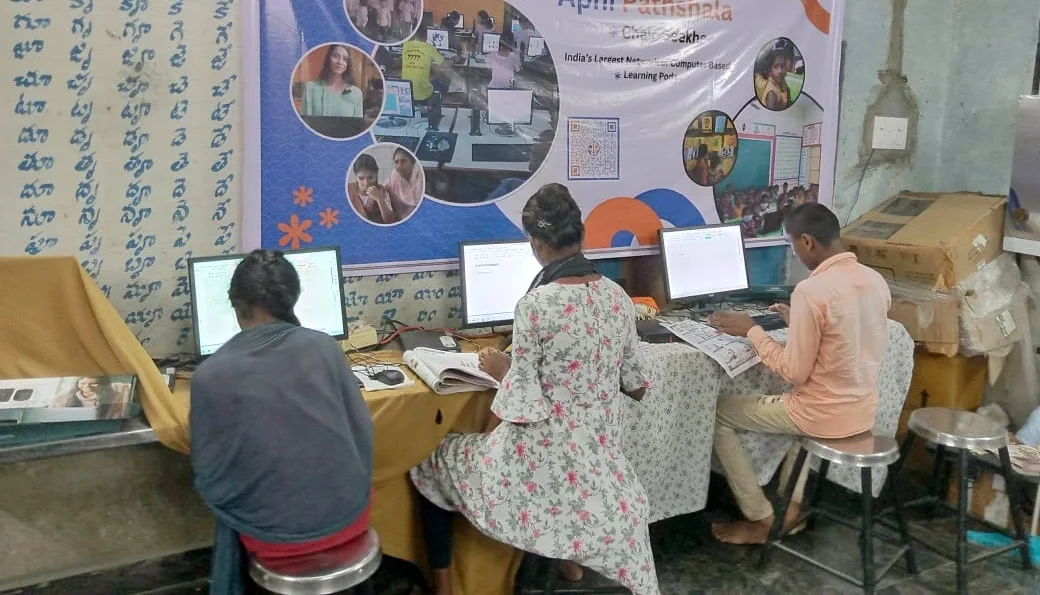
A computer transforms abstract subjects into visible work. When a student learns about sequences in mathematics and then creates a simple programme in Scratch where a character moves through steps, the abstraction becomes concrete. When a student learns about history and then writes a formatted document about it in LibreOffice, the subject has a product.
Apna PC comes pre-loaded with Scratch for coding projects, LibreOffice for writing and presentations, and Zorin OS, a stable operating system that runs both reliably. At Rs.30,000 (shipping and GST excluded), it is designed for Indian families who want their students engaged in real work, not passive watching.
What Subjects Benefit Most From Hands-On Computer Practice?
Most school subjects have a practical side that computer work can bring out:
- Mathematics: Spreadsheet calculations, graphing data, and coding sequences all use maths concepts in visible ways
- Science: Students can research real phenomena, create digital reports, and watch simulation videos rather than only reading descriptions
- Languages: Typing essays, reading digital texts, and creating presentations build writing and communication skills used throughout life
- Computer Science: Scratch makes programming logic visible, so students see how instructions turn into results
- Social Studies: Creating reports with maps, charts, and formatted text gives the subject a tangible output
How Do Parents Give Good Answers to This Question?
The best answers are specific, not abstract. Instead of “you need maths for the future”, try: “maths is in every computer programme, every budget, and every technical job, and you can see that right now when you try to code in Scratch.” The computer becomes the evidence that makes the answer real.
Apni Prerna, the monitoring system built into Apna PC, lets parents see what a student has been working on. This creates natural conversations: “what did you build today?”, “what did you figure out that was hard?” These questions reinforce the idea that learning has products and progress, not just marks.
How Does Apna PC Reduce Homework Arguments?
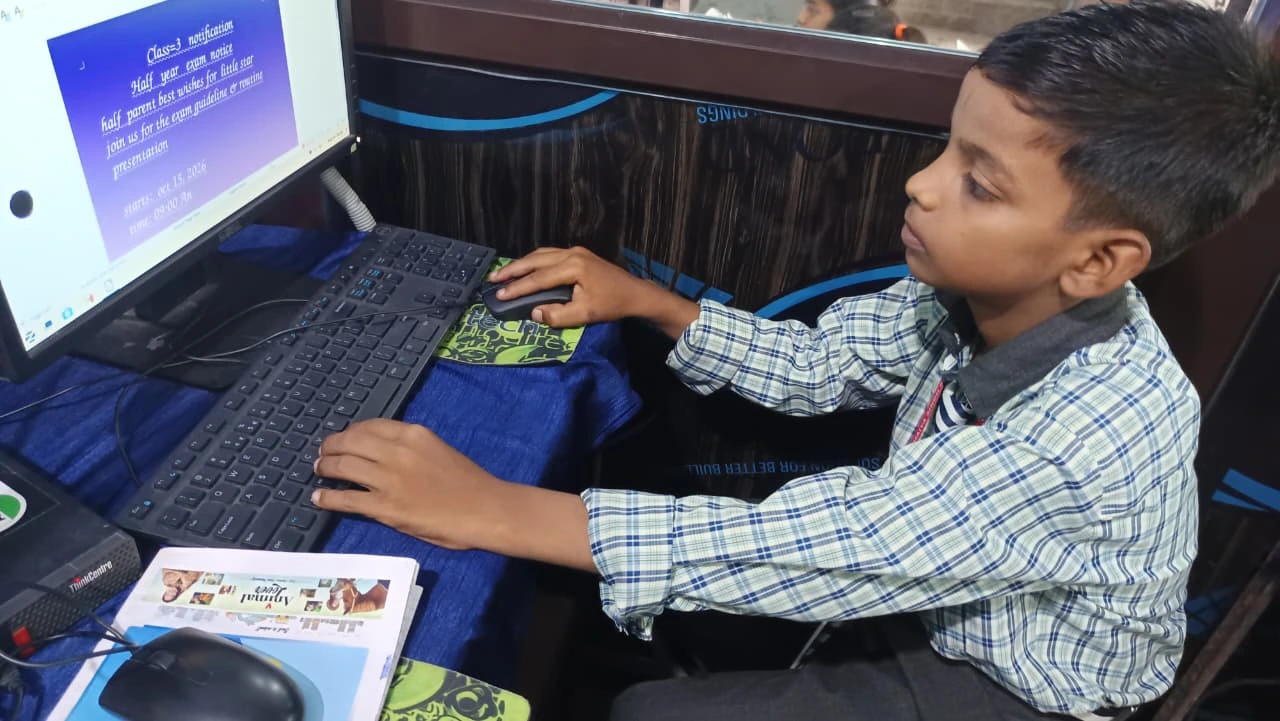
Many homework arguments start with the same question: “why do I need to do this?”. When students have a computer that lets them apply what they are learning, the question comes up less often. The work becomes the answer. A student who is in the middle of building a Scratch programme does not need to be told why maths matters.
Apna PC is designed to reduce this friction. The clean, distraction-free setup keeps students focused. How Apna PC helps families reduce arguments over homework explains the connection between the right learning environment and reduced daily conflict around study time.
What Is the Long-Term Benefit of Connecting Subjects to Purpose?
Students who understand why they are learning something retain the material longer and apply it more flexibly. This matters most in competitive exams, where application questions require more than memorisation. A student who learned maths by using it in real projects performs differently on application problems than a student who only memorised formulas.
The connection between computer-based practice and better exam results lies partly in this: active use of a subject builds understanding that passive review does not. See also building positive digital habits with a computer for how to structure daily study time effectively.
Frequently Asked Questions
How do I answer my child when they say studying is pointless?
Connect the subject to something visible. Ask your student to find one real-world place where the topic is used, then see if they can demonstrate it on the computer. When a student can use a subject to build, calculate, or create something on screen, the pointlessness question disappears because the work becomes its own answer.
Does Apna PC work for subjects that are not technical, like languages or history?
Apna PC supports all subjects through LibreOffice for writing, digital research through web browsers, and presentation tools. A student studying history can create a formatted timeline document. A student practising a language can type compositions and use spell-check to improve accuracy. The computer makes output visible in every subject, not only technical ones.
How young is too young to use a student computer for school motivation?
Students in Class 4 and above generally benefit from a dedicated student computer when they have specific school tasks to complete. Younger students benefit more from physical activities and shared family computer time. The right age depends on the student’s ability to sit for a focused session and use the computer for a specific goal rather than free browsing.
How does a parent stay involved without taking over the student’s learning?
Use Apni Prerna to see what your student has been working on, then ask questions about it rather than directing the work. “What did you make?” and “what was the hardest part?” are more useful than “did you finish your homework?”. This keeps you informed and engaged without replacing your student’s ownership of their own learning. See more at building independent research habits with Apna PC.
When students ask why they need to learn something, the best answer is a computer that shows them. Apna PC gives students the tools to see their subjects in use. Visit apnapc.com to learn more.