


When Ravi’s Mother Realised Her Son Needed More Than a Notebook
Last year, Priya sat across from her son Ravi’s class teacher in Indore. The teacher showed her Ravi’s latest assignment. It was still handwritten. Most other children in his class were already submitting typed work. Ravi was in Class 5, and his teacher gently explained that digital assignments were becoming the norm. Priya felt her chest tighten. They didn’t own a computer at home. She worked as an accountant, but her old laptop was reserved for her office work. Ravi would have to wait, she thought. But waiting meant Ravi was already falling behind his peers in learning computer skills and adapting to the shift from handwritten to typed work.
This is the story of thousands of families across Tier 2 and Tier 3 Indian cities. Your child’s school is moving toward typed assignments, but you’re unsure how to support that shift at home. That’s where Apna PC steps in.
Why Schools Are Shifting to Digital Assignments
Digital assignments aren’t just a trend. They’re becoming essential. Schools recognise that typing skills, basic computer literacy, and comfort with educational software are no longer optional. These are foundational skills your child needs for the future.
When your child learns to work on typed assignments, they’re developing abilities that’ll matter in college and their career. They learn to organise files, use word processors, collaborate online, and think through problems using technology. According to UNESCO global education research, integrating technology into learning improves student engagement and prepares them for a digital world.
Yet many parents in smaller cities face a real barrier: access. You might not have a spare computer, or you may worry about the cost. This is exactly the problem Apna PC was designed to solve.
The Real Challenge With Digital Assignments at Home
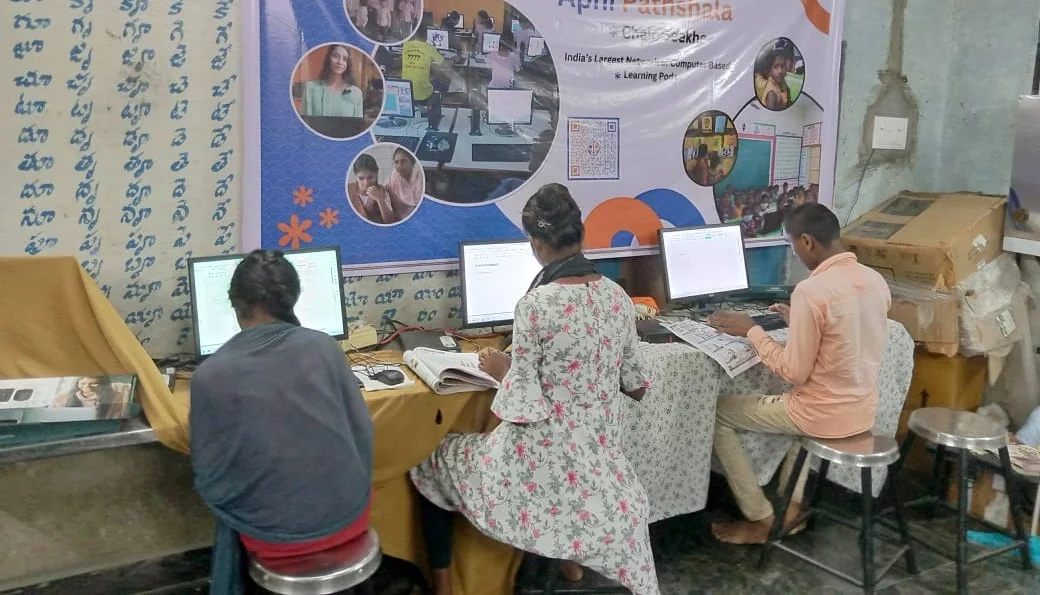
Let’s be honest. Your child can’t learn typing skills if there’s no keyboard in the house. They can’t practice on a shared family laptop that’s always in use. And if you do buy a computer, you’re often paying for features you don’t need- gaming graphics, heavy software, and high prices that don’t fit your budget.
Then there’s the worry about screen time, distractions, and whether your child will actually focus on schoolwork. You want a tool designed specifically for learning, not a device that’ll turn into a distraction machine.
These concerns are valid. And they’re exactly why Apna PC exists.
How Apna PC Makes Typed Assignments Accessible
Apna PC is built for students like Ravi. It’s an educational computer priced at just Rs. 30,000 (before shipping and GST), making it affordable for middle-income families in Tier 2 and Tier 3 cities. It’s not a gaming laptop. It’s not overpowered or expensive. It’s exactly what your child needs to complete schoolwork on screen, develop computer skills, and prepare for a digital learning environment.
The device comes with 8GB RAM and 128GB SSD storage. That’s enough for smooth performance without lag. Your child can work on multiple documents, use educational software, and build their typing speed without frustration. You’re getting reliability at a price that makes sense for your family.
Pre-Loaded Software Designed for Learning
When you unbox Apna PC, it’s ready to go. The device comes pre-loaded with Zorin OS, a clean, student-friendly operating system that’s intuitive and secure. No bloatware slows things down.
What matters most for typed assignments? LibreOffice is included. This powerful, free word processor and document tool is what your child’ll use for essays, reports, and homework. It works just like Microsoft Office, so skills learned here transfer everywhere.
You’ll also find Scratch, a visual programming tool that introduces coding concepts in a fun way. And here’s something many parents appreciate: Apni Prerna is built in. This student monitoring tool lets you track study time and help ensure your child stays focused on schoolwork, not distractions.
Building Computer Skills Through Schoolwork
When your child starts submitting typed work instead of handwritten pages, something shifts. They learn to organise their thoughts differently. They practice typing, which builds speed and accuracy. They learn to format documents, save files, and manage their digital work.
These aren’t just academic skills. They’re life skills. The Digital India initiative emphasises that digital literacy is essential for every student. Your child’s school is responding to this need. With Apna PC, you’re ensuring your child doesn’t just keep up; they actually thrive.
When you provide your child with their own device, they also develop responsibility. They learn to care for technology, manage their own files, and build healthy digital habits from the start.
From Handwritten to Typed: Making the Transition Smooth
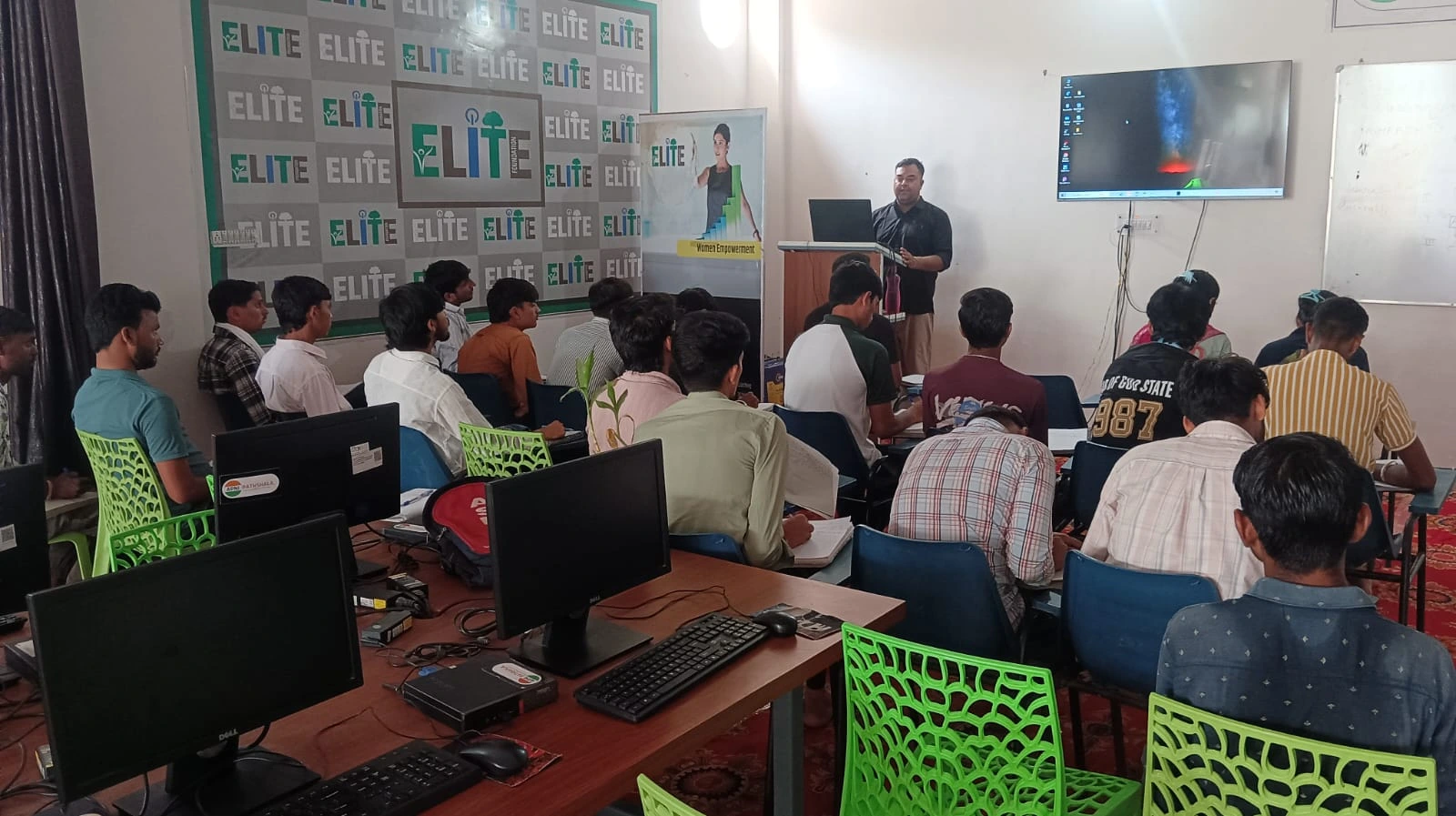
The shift from handwritten work to typed submissions can feel sudden. Your child might feel slower at first on a keyboard. That’s normal. But with consistent practice on their own device, typing becomes natural within weeks.
Start small. Let your child type their homework. Have them write short responses in LibreOffice. Encourage them to format their work, add headings, change fonts, and organise ideas visually. These small steps build confidence and competence.
You’ll notice changes. Your child’s handwriting might actually improve because they’re less tired. Their focus sharpens because they’re working on a device designed for learning. And their grades often improve because they can organise and revise their work more easily on a computer.
Many parents who’ve made this shift report that they notice studying gets easier once their child has dedicated study technology at home.
Supporting Your Child’s Digital Learning Journey
You don’t need to be a tech expert to support your child. Your role is simpler: create a space where they can work, set consistent study times, and show interest in what they’re learning. Ask them about their schoolwork. Sit with them occasionally while they work. Let them teach you what they’re picking up.
The device does the heavy lifting. Zorin OS is designed to be intuitive. LibreOffice is familiar to anyone who’s used word processors. Your child will figure things out, and you’ll be amazed at how quickly they adapt.
When you establish small habits with a home computer, your child builds a foundation for lifelong learning. Digital assignments become normal. Computer skills develop naturally. And your child stays current with their peers.
Why Now Is the Right Time
Schools aren’t slowing down their digital transition. If anything, it’s accelerating. Your child’s next class will expect even more comfort with technology. By investing in Apna PC now, you’re not just solving today’s problem; you’re preparing for tomorrow.
Plus, this device grows with your child. In Class 5, it’s for typed assignments. By Class 8, it’s for research projects and presentations. In Class 10, it’s essential for board exam preparation. You’re making an investment that’ll serve your child for years.
Making the Decision
Think back to Priya and Ravi. After learning about Apna PC, Priya invested. Within a month, Ravi was typing his assignments confidently. His teacher noticed improved organisation in his work. More importantly, Ravi felt capable. He wasn’t worried about being behind anymore.
Your child deserves the same opportunity. The shift from handwritten to typed assignments isn’t going away. It’s the new reality of education. By providing your child with Apna PC, you’re giving them the tools to succeed in this new environment.
The device is affordable, reliable, and designed specifically for students in Indian schools. It’s not an indulgence. It’s an investment in your child’s present and future.
Your child’s school is already expecting digital assignments. Your child’s peers are already learning computer skills. The question isn’t whether to make this shift, but when. We believe now is the right time. Visit apnapc.com to learn more.