

The Sharma Family’s Math Problem
Last month, Priya’s mother sat across from her at their dining table in Indore, looking at her daughter’s math test. Priya had scored 62 out of 100 in quadratic equations. When her mother asked, “Do you understand how to solve these?”, Priya nodded confidently. “Yes, Ma. I watched the YouTube video three times. I totally get it through concept learning.” But when her mother gave her a similar problem to solve right there, Priya stared at the paper for five minutes. She couldn’t even start. This is the moment most Indian parents face: their child says they understand the material through concept learning, but can’t actually solve the problem.
Concept Learning: Understanding Is Just The Beginning
Here’s the truth that textbooks don’t tell you. Understanding a concept and being able to solve problems with it are two completely different skills. Your child might watch a perfect explanation on their screen, nod along, and feel like they’ve learned everything. But that feeling of understanding isn’t the same as being able to apply it.
Think about it this way. You can watch a cooking video and understand every step of making biryani. You understand that you need to soak rice, marinate chicken, and layer them together. But can you actually make biryani without the video in front of you? Can you adjust the recipe when you don’t have the exact ingredients? That’s the difference between concept learning and problem solving.
When your child watches a solution being explained, their brain is passive. They’re following someone else’s thinking. They’re not doing the thinking themselves. This is why so many students feel confident after watching videos but blank out during exams.
Why Your Child Feels Like They Know It
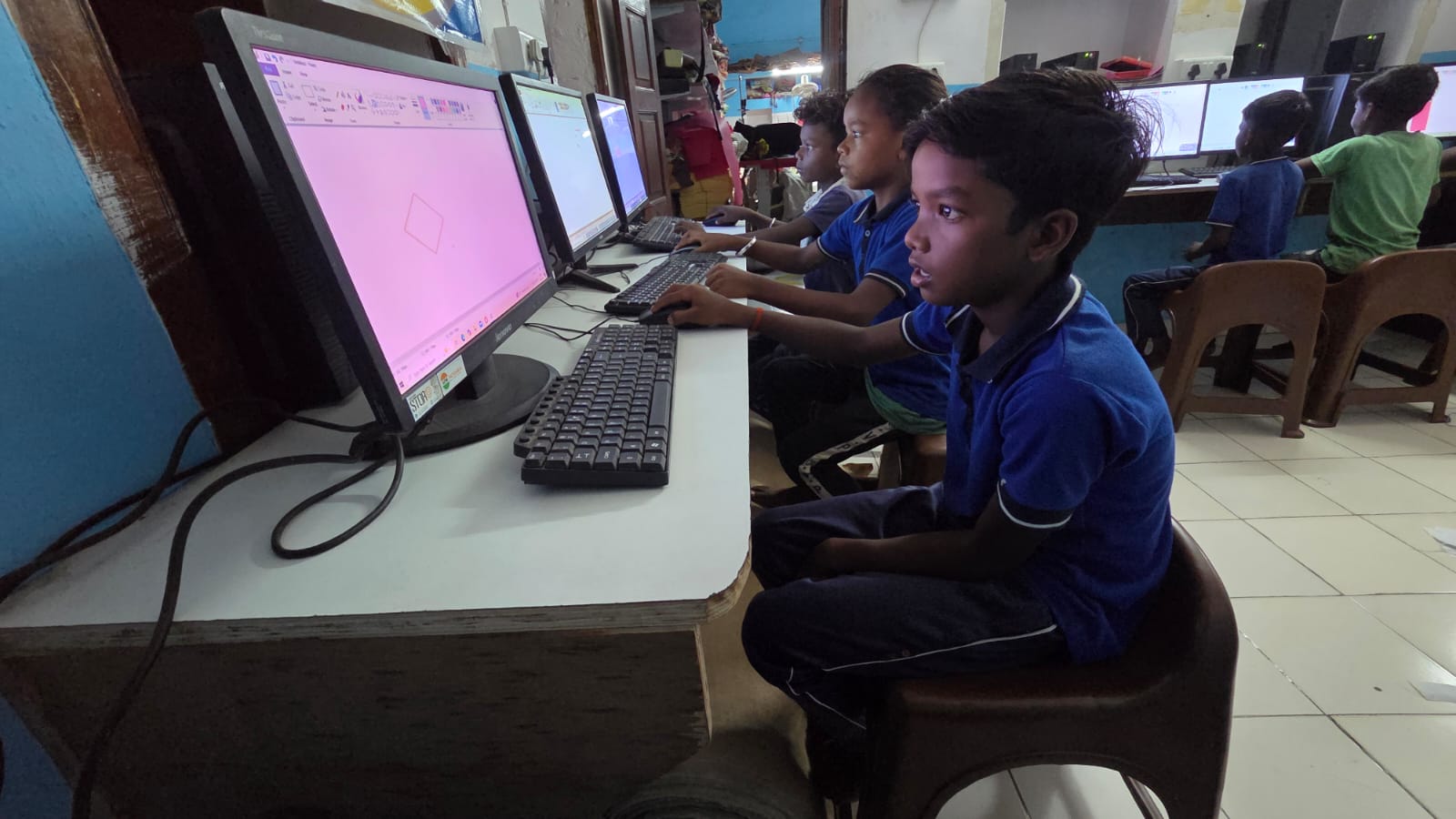
Your child isn’t lying when they say they understand. They genuinely feel like they do. This is called the “fluency illusion.” When you watch something being explained smoothly and clearly, your brain mistakes that smooth experience for actual learning. It feels easy to follow, so your brain thinks it’s easy to do.
This happens because watching is passive. Your child’s brain isn’t struggling. It’s not trying to retrieve information from memory. It’s not making mistakes and correcting itself. All of these struggles are actually what real learning feels like.
The problem gets worse in Tier 2 and Tier 3 cities where access to good tutoring is limited. Many students rely entirely on YouTube videos and online content. They watch, they feel they understand, they move on. Then exam day comes, and they panic.
From Concept Learning to Problem Solving
So how do you help your child actually move from understanding to solving? The answer is practice. But not just any practice. Your child needs to practice without looking at the solution. They need to struggle. They need to make mistakes.
This is where active recall comes in. Active recall means retrieving information from your memory without looking at notes or solutions. When your child sits down with a blank page and tries to solve a problem from scratch, they’re using active recall. Their brain has to work. That work is where real learning happens.
Here’s what an effective learning process looks like:
- Step 1: Learn the concept – Watch a video or read an explanation (this is what most students stop at)
- Step 2: Solve problems with the solution nearby – Your child can refer back if they get stuck
- Step 3: Solve problems without looking at solutions – This is where concept learning becomes problem-solving ability
- Step 4: Solve problems under time pressure – This prepares them for actual exams
- Step 5: Revisit problems they got wrong – This uses memory retention techniques to strengthen weak areas
Most students stop after Step 1. That’s why they feel confident but can’t perform.
How To Know If Your Child Really Understands
Here’s a simple test you can do at home. After your child learns a new concept, ask them to solve a problem they’ve never seen before. Not the exact same problem from the example. A slightly different one. If they can do it, they’ve moved beyond just understanding. If they can’t, they’re still stuck in the “I watched it” phase.
You might also notice that your child struggles with questions that combine multiple concepts. Or they do well on homework but poorly on tests. These are signs that they understand individual concepts but haven’t developed real problem-solving ability. Check out our guide on real doubt vs feeling stuck to understand what’s actually happening in your child’s mind.
The Role of Environment and Tools
Your child’s learning environment matters more than you think. When a student is learning on a shared family laptop or phone, they’re often distracted. They switch between the problem and YouTube. They look at solutions too quickly. They don’t give themselves a chance to struggle.
A dedicated learning computer changes this. It creates a focused space where your child can sit down and actually practice. Apna PC is designed exactly for this. It comes pre-loaded with learning and problem-solving tools, with 8GB RAM and a 128GB SSD to handle everything smoothly. It includes Scratch for coding, LibreOffice for projects, and Apni Prerna for progress tracking. At Rs.30,000, it’s an investment in creating the right learning environment for your child.
When your child has their own space, their own screen, and the right tools, they’re more likely to actually sit down and do the practice that turns understanding into ability.
What You Can Do Today
Start by having a conversation with your child about this difference. Explain that watching a solution and solving a problem are different. Then, give them a simple challenge. Pick a concept they learned recently. Ask them to solve a new problem without any help. See what happens. Don’t judge them. Just observe. This will show you exactly where they are on the journey from understanding to solving.
Then help them build a practice routine. Not a routine of watching more videos. A routine of solving problems. Struggling. Making mistakes. Learning from those mistakes. This is how real learning happens. According to CBSE guidelines, consistent practice is what separates top performers from average students. This is how your child actually becomes capable, not just confident.
Apna PC makes this practice routine easier to maintain by providing a dedicated, distraction-free space for learning. Visit apnapc.com to learn more.