


Kids concentrate better after a short break because their brain stays close to study mode, while a long break switches it off completely. A 5-10 minute break after 25-30 minutes of focused study usually works far better than a one-hour break after three hours of continuous study.
For example, a child who rereads the same maths problem with glazed eyes may be sent out for two hours of cricket, then come back tired and unable to focus. A short pause earlier would have helped more.
How do short study breaks boost a child’s focus?
Short breaks keep your child alert without letting their mind fully disengage. When children study in short bursts with brief pauses, their concentration stays steadier through the session.
During a short break, the brain is still close to the material it just worked on. The brief pause lets the child rest without completely leaving study mode, so getting back to work is quick.
The timing of breaks matters more than their length. Many parents in Tier 2 and Tier 3 cities give long breaks with good intentions, without realising how hard it is to restart afterwards.
Why do long study breaks hurt concentration?
After a long break, the brain has fully disengaged, so your child may need 15-20 minutes to reach the same level of concentration as before. That lost time adds up every day.
Think of cooking dal. Turn off the stove for two hours and you have to heat it all over again, but lower the flame for a minute and it stays warm. Your child’s brain works the same way with breaks.
Long breaks involving screens, social media or intense physical activity act like a hard reset. Your child moves from “study mode” to “play mode” and struggles to switch back. The Ministry of Education has highlighted the value of balanced study routines, and the Education in India overview gives wider background.
How should you structure study breaks at home?
Use a simple timed cycle. Here is a routine you can start today:
- Set a timer for 25 minutes of focused study, with no phone, TV or distractions.
- Give a 5-minute break to stretch, drink water or look out of the window.
- Repeat the cycle four times.
- Then allow a longer 15-minute break.
What your child does in the break matters. Scrolling Instagram or watching YouTube shorts is not a real break, just more stimulation. Good break activities include:
- Walking around the house
- Having a snack or a glass of water
- Simple stretches
- Sitting quietly
Many parents find that keeping screens out of breaks helps. Read the screen time and learning myth guide, and check the study space warning signs to see whether your child’s study area is hurting focus.
How do you know when your child needs a break?
Watch for wandering attention, which for many children starts around the 25-30 minute mark. That is your signal for a short break, before your child is completely worn out.
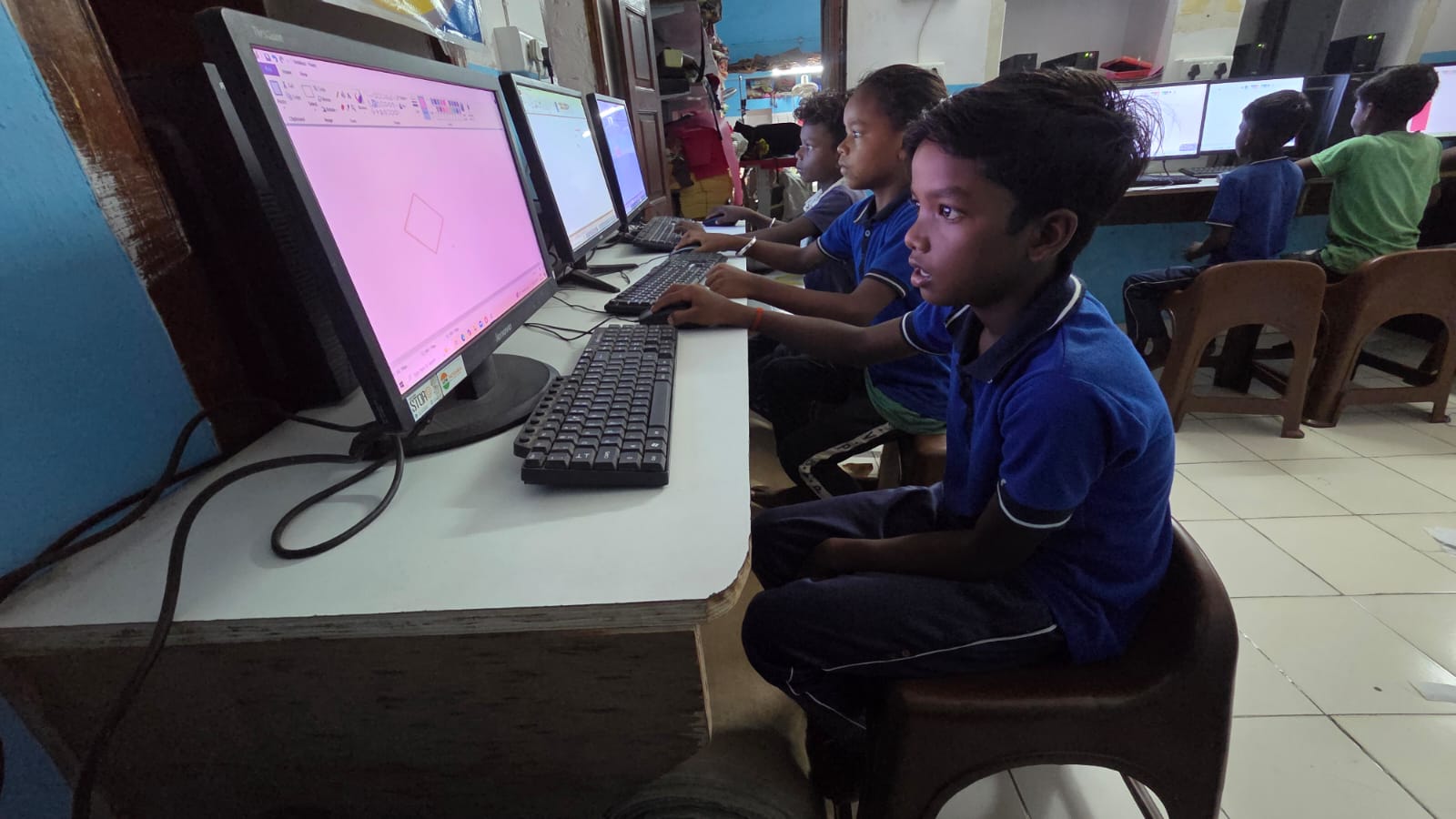
Signs include rereading the same line, fidgeting, staring away from the page or making careless mistakes. Catching these early keeps study time productive.
Is study quality more important than study hours?
Yes. A child who studies for 45 minutes with proper short breaks will often learn more than one who sits with books for three hours straight. Many Indian families work hard to give children a quiet place to study, and short breaks help make that time count.
Make breaks part of the routine, not a reward for good behaviour. When breaks are predictable, your child learns to expect them and manages energy better.
How can a computer help structure study and break times?
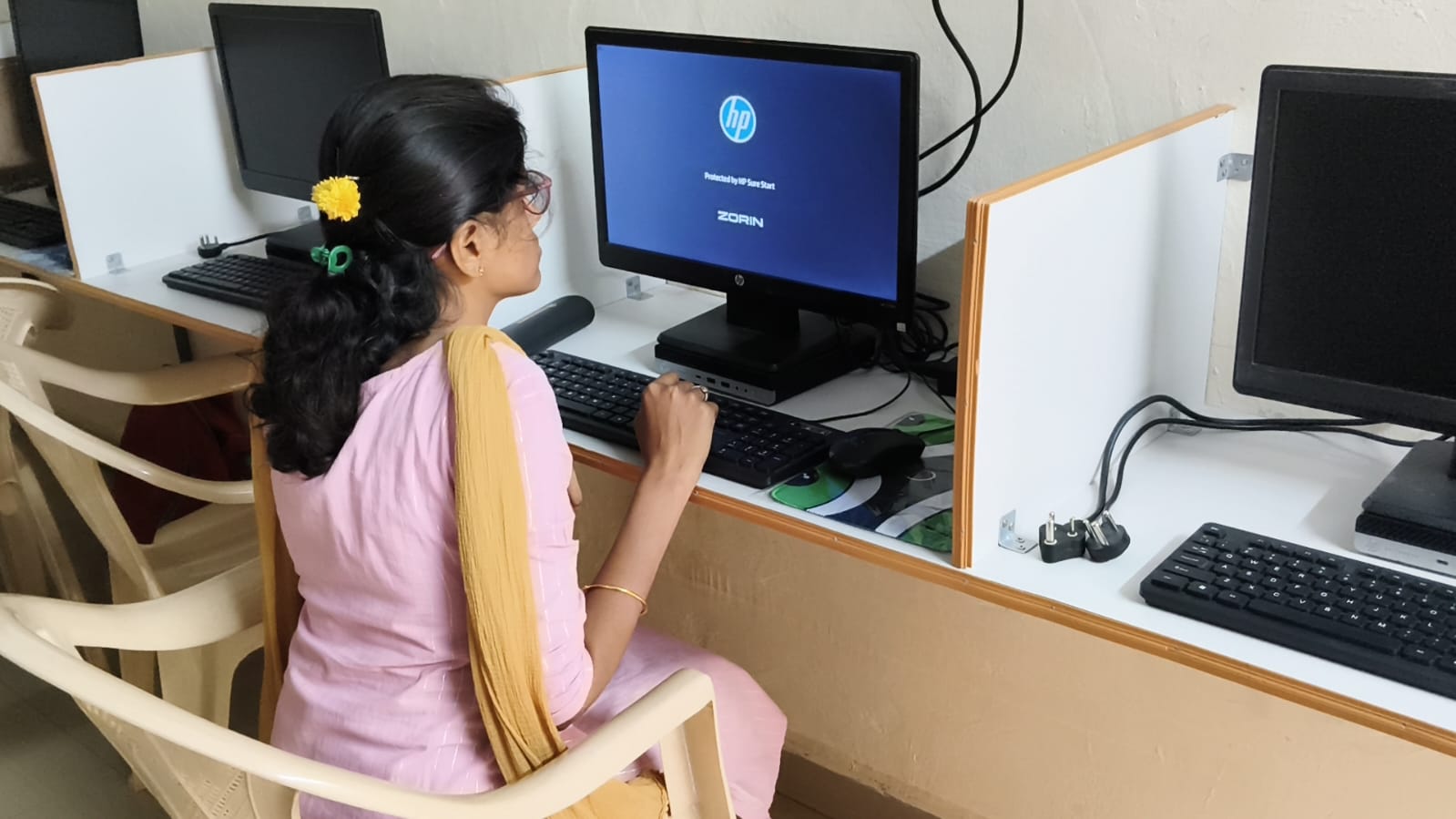
A distraction-free study computer makes timed sessions easier to keep. Apna PC comes with Apni Prerna monitoring pre-installed, so you can set study sessions and break times, and the distraction-free setup means study time is spent studying, not on hidden videos.
Priced at Rs.30,000 (shipping and GST excluded), Apna PC comes with Zorin OS, LibreOffice and Scratch pre-loaded for productive study sessions. You can also see how multitasking affects student focus.
Frequently Asked Questions
Should my child use the phone during study breaks?
It is better not to. Phones keep the brain busy with new stimulation, so the break does not refresh your child and returning to study becomes harder. Screen-free activities like stretching, walking around the house or having a snack give a cleaner reset.
Does the short-break routine work for younger children?
Yes, though younger children may need shorter study blocks before a break. Watch for when attention starts to wander and set the timer just before that point. The idea is the same at every age: short focus, brief pause, repeat.
What if my child resists stopping for a break?
If your child is deeply focused and making progress, it is fine to let them finish the task first. The routine is a guide, not a rule. Breaks matter most when attention is fading, so use them to prevent burnout, not to interrupt good concentration.
Study breaks are about making existing study time count. Ready to give your child a focused learning environment? Visit Apna PC to learn more.