

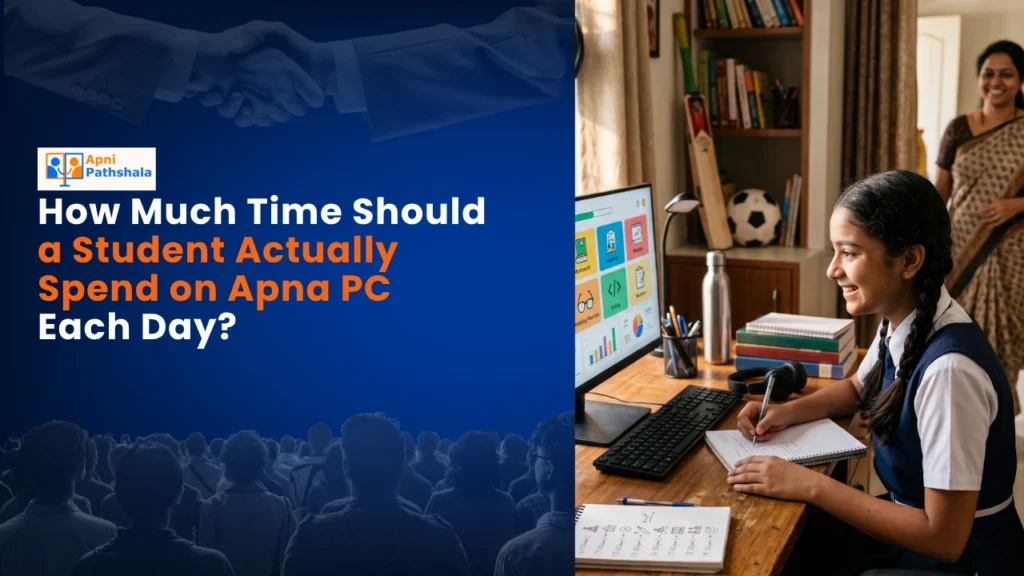
Healthy screen time for students depends on age and purpose: as a practical starting point, about 90 minutes for ages 6-9, up to 2 hours for ages 10-13 and up to 3 hours for ages 14-18, all for real schoolwork and split into short sessions with breaks. What your child does on screen matters more than the exact number.
For example, a parent might watch a child spend hours on coding videos and wonder whether it is too much. The answer depends on whether that time is structured and purposeful.
Why does screen time matter for students?
Because a child’s brain is still developing, and both quality and quantity affect it. Screen time is not bad in itself, but purpose makes the difference.
Structured learning on a computer, like deliberate practice, engages a child differently from scrolling social media, which drains focus and energy. The same child can benefit from one kind of screen time and suffer from the other.
India’s Digital India initiative promotes digital literacy, because technology used well can help education in cities where quality coaching is scarce. General background on how children learn is in this overview of learning.
How much screen time should students have by age?
Use these as a practical starting point for school-related screen time, then adjust for your child. They assume structured sessions with breaks.
| Age | Suggested daily limit | Notes |
|---|---|---|
| Ages 6-9 | Maximum 90 minutes | Educational content only; younger children tire quickly |
| Ages 10-13 | Up to 2 hours | Split into focused sessions of 25-30 minutes |
| Ages 14-18 | Up to 3 hours | Genuine schoolwork and skill-building; social media not included |
Passively watching YouTube for 3 hours is not the same as 3 hours of coding practice or maths problem-solving. The right amount depends on what your child is actually doing.
The device matters too. Apna PC, with Zorin OS and the Apni Prerna student monitoring system, helps parents see what their children actually do, which adds structure as well as hardware.
How should screen time be split into focused sessions?
Work in 25-30-minute blocks with 5-10-minute breaks. This is the idea behind the Pomodoro Technique, a popular time-management method that many students find helpful.
A day might look like this:
- 30 minutes of maths practice on the computer
- 10 minutes walking around the house
- 30 minutes of coding in Scratch (preloaded on Apna PC)
- 15 minutes for a snack
- 30 minutes of an online class, then outdoor play
That is 2 hours of quality screen time spread across the day, with movement and rest built in. Learn more about study time versus screen time.
What are the signs of unhealthy screen time?
Poor sleep, headaches, irritability and falling grades are common red flags. Watch for these:
- Difficulty sleeping or irregular sleep
- Headaches or eye strain after screen use
- Neglecting outdoor play, books or friends
- Irritability when screens are taken away
- Declining grades despite more study time
- Poor posture or neck pain from hunching
If you see three or more, adjust your child’s screen time. The problem is lost balance, not the device itself.
Which habits keep screen time healthy at home?
Make rules together, set up the study space properly and use monitoring wisely. Children follow rules better when they help make them.
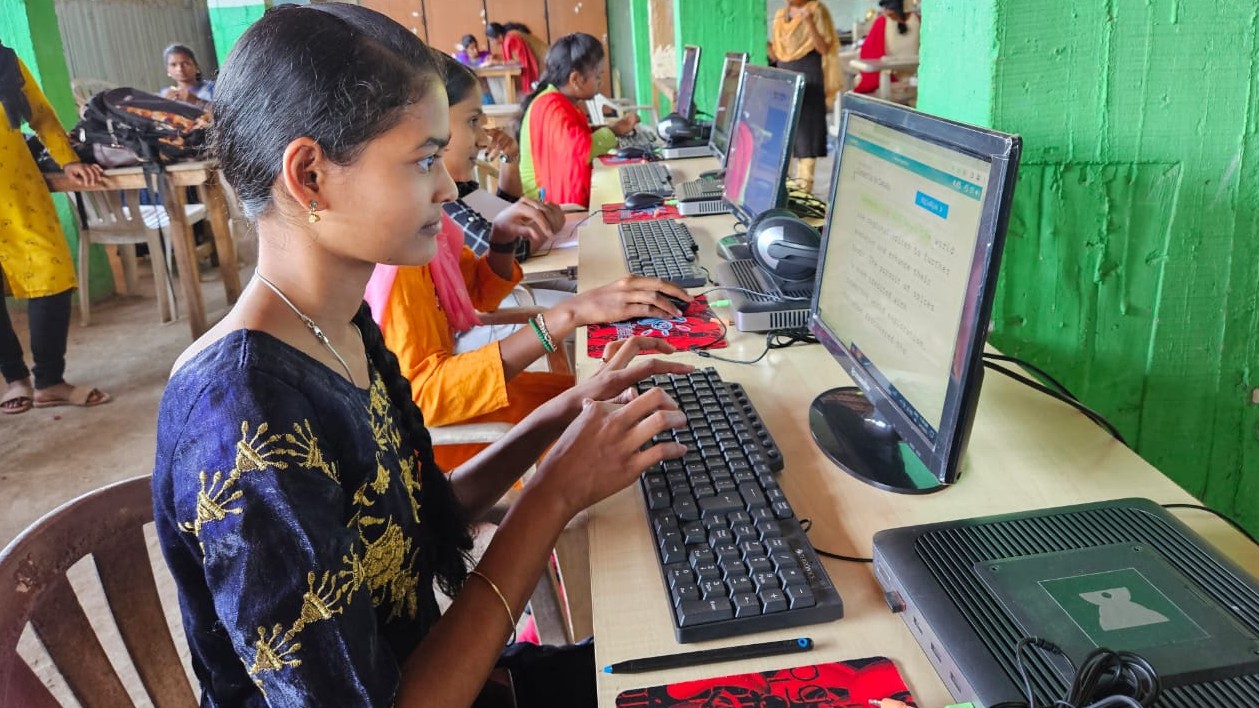
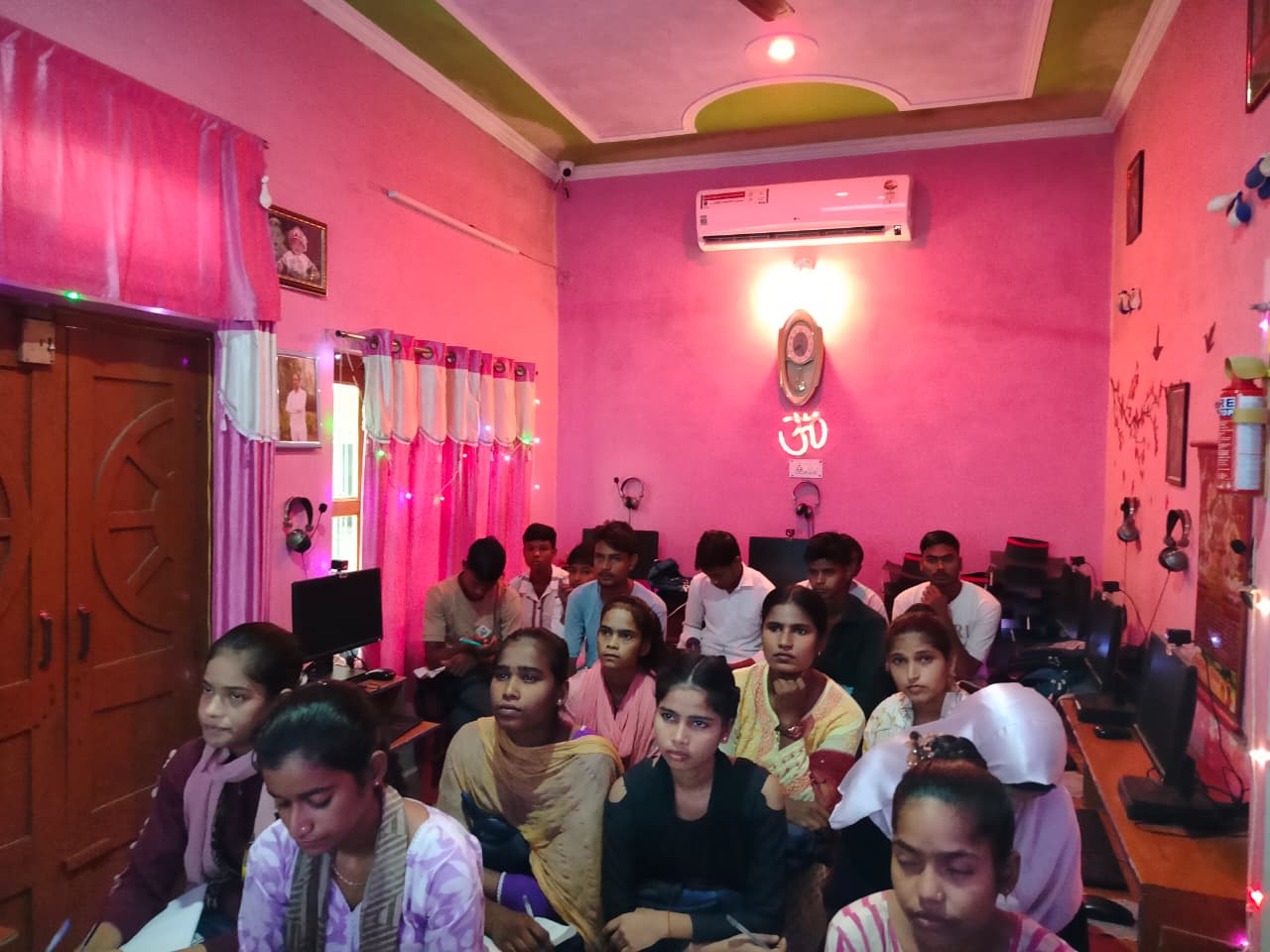
Good family rules include no screens one hour before bed, none during meals and outdoor time before computer time at weekends. A proper desk with good lighting reduces eye strain, and a screen at eye level prevents posture problems.
Apna PC’s 8GB RAM and 128GB SSD handle several applications smoothly, so your child does not lose time and patience waiting for programs. Apni Prerna lets you see what your child accesses without being invasive.
Read our guides on setting healthy screen time limits and how Apni Prerna helps set limits.
Is quality of screen time more important than quantity?
Yes. The goal is not the minimum screen time but the most learning per minute online, without leaving your child behind on digital skills.
When screen time becomes intentional, with coding in Scratch, maths assignments and educational videos inside a planned day, children can still have time for cricket with friends. Apna PC at Rs.30,000 (shipping and GST excluded) gives your child a dedicated learning device rather than a distraction machine.
Frequently Asked Questions
Does online class time count as screen time?
Yes, online classes are screen time, so include them when planning the day. Because they are structured and purposeful, they are healthier than scrolling. Balance them with breaks, movement and outdoor play, and keep leisure screen use lower on days with long online classes.
Should screens be banned before bedtime?
It is a good idea to stop screens one hour before bed. This helps children wind down and sleep better, since difficulty sleeping is one of the common signs of unhealthy screen use. Agree on the rule together so your child sees it as fair, not as a punishment.
How do I know if my child needs less screen time?
Watch for red flags like poor sleep, headaches, eye strain, irritability when screens are removed or falling grades. If you notice three or more, cut back and add more structure. The aim is restoring balance, not removing the computer altogether.
For a dedicated study computer that makes healthy screen time easier to manage, visit Apna PC.