

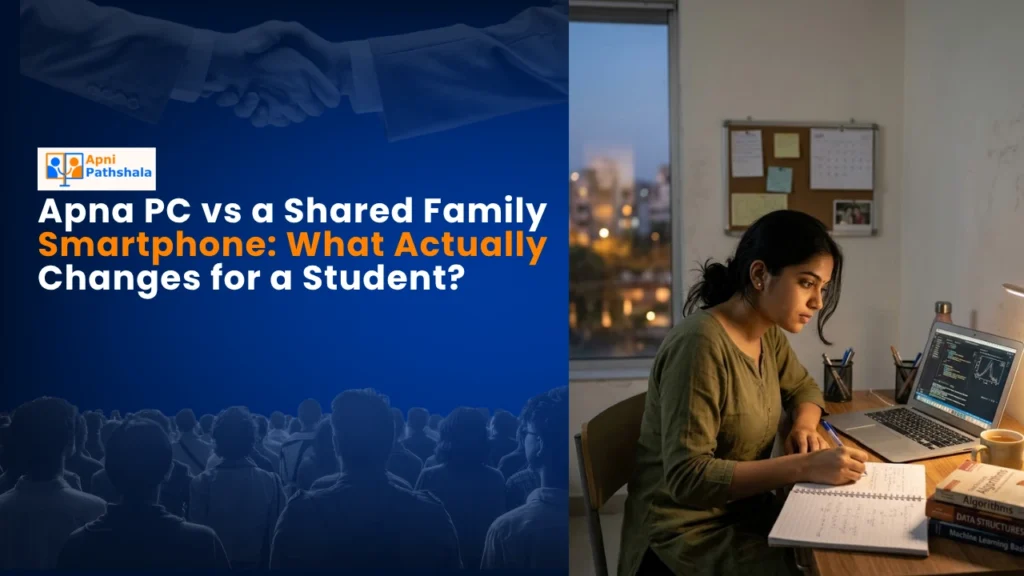
When a student moves from a shared family smartphone to their own computer, three things change: they can focus without notifications, study comfortably at a desk with a proper screen and keyboard, and work whenever they need to without waiting for the phone. That combination leads to better study habits and less stress.
For example, a Class 9 student sharing a parent’s phone for online classes may face eye strain, interruptions from siblings and WhatsApp alerts during maths lessons just as board exam preparation begins.
Why does a shared smartphone fail for real learning?
A smartphone is built for quick tasks like scrolling, chatting and short videos, not for focused study. Studying for 45 minutes on a 6-inch screen strains the eyes, hurts posture, and makes typing assignments slow and painful.
A shared phone is also a distraction machine. Every message, social media alert or game request pulls attention away, and getting back into maths or coding after an interruption takes time.
Then there is the practical problem: when someone else needs the phone, your child stops working, loses momentum and falls behind on deadlines. In homes with several children, the fight over phone time adds stress. Read more on what students miss learning only on phones.
What changes when your child gets a student computer?
Your child gets a comfortable, dedicated learning space of their own. Apna PC has a proper 21-inch monitor, a full keyboard and a mouse, so your child sits at a desk with good posture and can see a whole spreadsheet, coding project or online class without zooming.
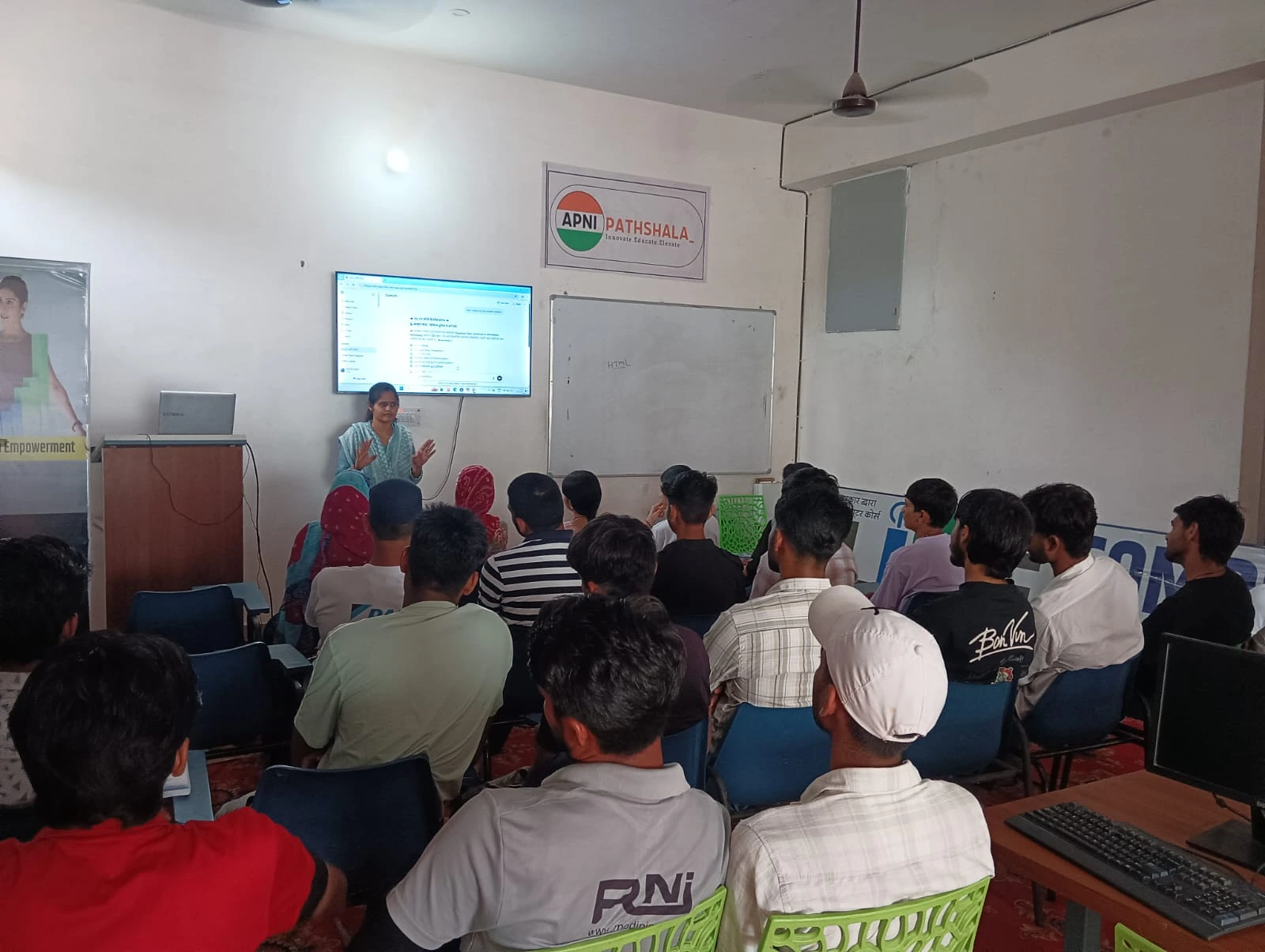
It comes pre-loaded with learning tools, not games: Zorin OS, a clean operating system; LibreOffice for documents and presentations; Scratch for coding basics; and Apni Prerna, which helps parents understand how study time is spent. No one else needs the device during homework time, and that consistency builds better habits.
How do a smartphone and a student computer compare?
The computer wins on comfort, focus and real schoolwork. Here is a quick comparison:
| Factor | Shared smartphone | Student computer |
|---|---|---|
| Screen | 6-inch, constant zooming | 21-inch monitor |
| Typing | Tiny on-screen keyboard | Full keyboard and mouse |
| Distractions | Calls, chats, social media alerts | Learning tools only |
| Availability | Only when no one else needs it | Always free for study |
How does a student computer help with online learning?
A computer handles online platforms properly where a phone only just copes. Your child uses the DIKSHA digital learning platform, YouTube lessons and Google Classroom; on a phone, documents display badly and typing takes forever.
A student computer works on slow internet too, because it is optimised for Indian connectivity, so live classes do not keep cutting out every five minutes. For competitive exam preparation, practising on Khan Academy, attempting full-size mock tests and typing answers quickly all need a proper computer.
What does delaying the switch cost your child?
Every month on a cramped, shared screen reinforces poor study habits, eye strain and constant interruptions. Many parents ask, “My child is managing with a smartphone, so why spend 30,000 rupees now?”
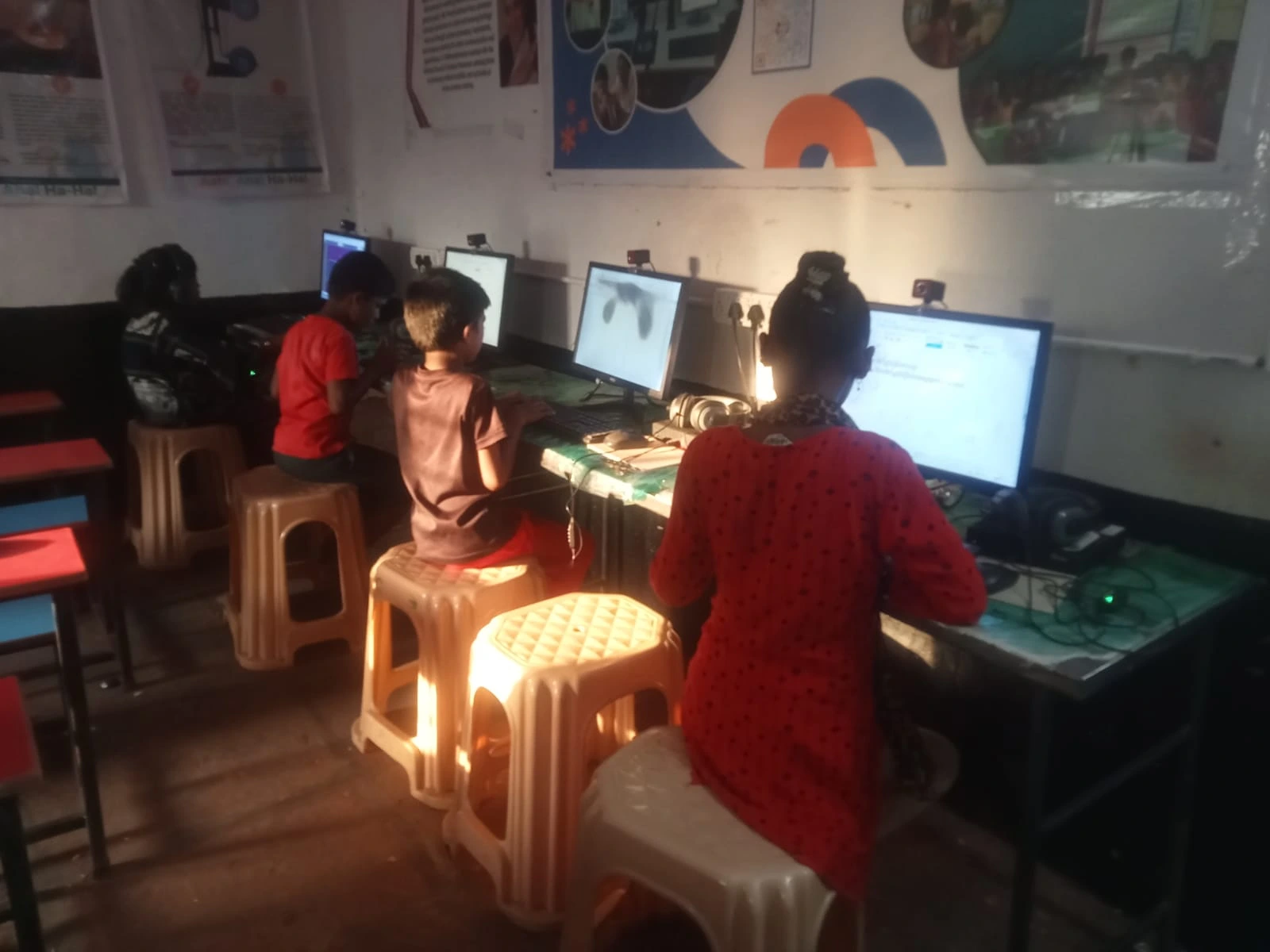
The answer is that a year passes quickly, and a child can fall behind, grow anxious about studying and miss the chance to learn coding and digital skills. The India Ministry of Education and other education bodies have emphasised proper digital infrastructure for learning, and a dedicated computer is becoming a necessity rather than a luxury.
What makes Apna PC different from a phone?
Apna PC is a complete learning system designed for Indian students. It costs 30,000 rupees (plus shipping and GST) and comes with 8GB RAM and 128GB SSD, enough for all school-level work.
Apni Prerna lets you see how much time went to studies versus browsing and set healthy boundaries, so your child learns responsibility. It creates a distraction-free learning setup with no social media apps and no gaming focus.
Frequently Asked Questions
Is a bigger screen the only advantage of a computer over a phone?
No. The bigger screen helps, but the main gains are focus and availability. A computer without social media alerts lets your child study without interruptions, a full keyboard makes typing assignments easier, and a device of their own means no waiting while someone else uses the phone.
Can my child still use the phone for some learning?
Yes, a phone is fine for quick tasks like checking a class message or watching a short explanation. For long study sessions, typing assignments, coding and mock tests, a computer is far more comfortable. Many families keep the phone for communication and the computer for serious study.
How can I see whether my child is studying on the computer?
Apna PC includes Apni Prerna, which shows how much time your child spent on studies compared with browsing. You can review it regularly and set sensible limits. This keeps you informed without sitting beside your child, and helps them take responsibility for their own study time.
A shared smartphone will not be enough for serious study. To give your child the focus, comfort and tools they need, visit Apna PC.