

Learning on a computer should never feel like a barrier because of language. For millions of Indian students in non-English households, an educational computer that supports their mother tongue transforms how they study and grow. Apna PC recognises this reality and has built comprehensive regional language support into every device, making quality education accessible to children across India who learn best in Hindi, Tamil, Telugu, Bengali, Marathi, and other Indian languages.
Why Regional Language Support Matters for an Educational Computer?
India’s education system is incredibly diverse. According to Education in India, students across different states learn in their regional languages during primary and secondary school years. When a child’s study device forces them to navigate interfaces and materials only in English, they face unnecessary friction that slows learning and reduces confidence.
Apna PC solves this by making the computer truly multilingual. Children can study in the language they think in, the language their textbooks use, and the language their teachers speak. This isn’t just convenient. It’s educationally powerful.
How Apna PC Delivers Multilingual Learning
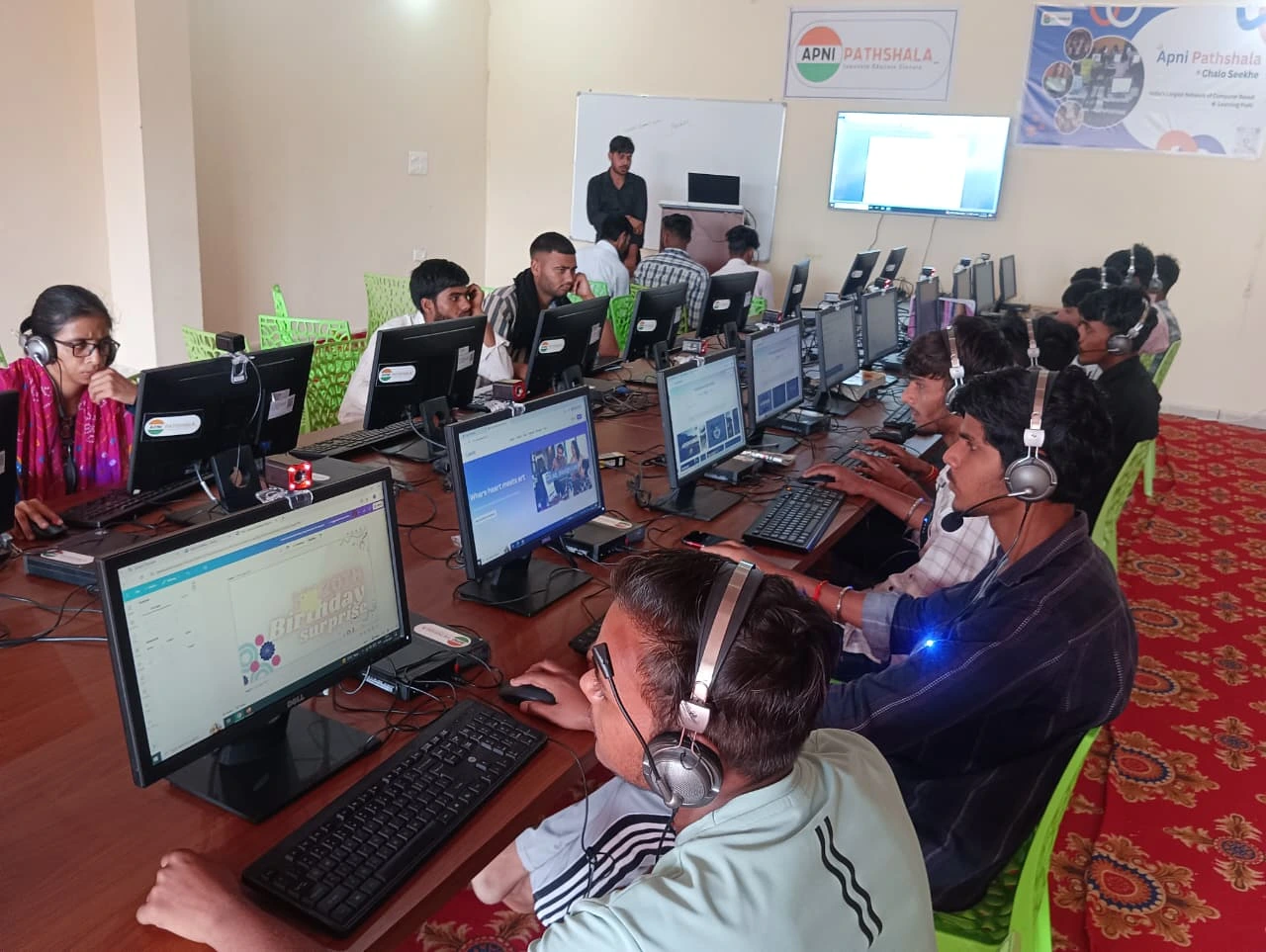
Inside every Apna PC unit, you’ll find robust language support built into the operating system itself. Inside Apna PC, you’ll find full Unicode support, the technical foundation that allows computers to display and process Indian scripts correctly. Unicode ensures that Hindi Devanagari, Tamil script, Telugu script, Bengali script, and Marathi all render perfectly on screen.
The operating system comes pre-configured with language packs for all major Indian languages. Parents and students can switch between languages in seconds through simple system settings. Whether your child needs to read a Hindi textbook one moment and switch to English for a competitive exam the next, the system adapts instantly.
Typing in Indian languages is equally seamless. Apna PC includes multiple input methods: transliteration keyboards, phonetic typing, and traditional script keyboards. A student learning Hindi can type “namaste” and watch it convert automatically. This removes the technical barrier that once made typing in regional languages feel clunky or impossible.
Educational Software and Content in Your Regional Language
An educational computer is only as useful as the software and content available on it. Apna PC works perfectly with India’s major digital learning platforms. The DIKSHA digital learning platform, backed by the Ministry of Education, offers thousands of lessons in regional languages. Your child’s device connects seamlessly to these resources, whether studying science in Tamil, mathematics in Telugu, or social studies in Bengali.
Beyond DIKSHA, Apna PC supports software that respects language diversity. Interactive learning applications, digital textbooks, and assessment tools all work smoothly with regional language content. Your child isn’t limited to English-only materials. The entire digital learning ecosystem opens up in their mother tongue.
Real Examples: How Students Benefit from Multilingual Access
Consider Priya, a seventh-grade student in rural Tamil Nadu. Her computer arrives with Tamil fully configured. She can read her mathematics curriculum in Tamil, complete assignments using Tamil-language software, and communicate with teachers in her native script. Her learning pace accelerates because she’s not translating concepts in her head.
Or take Rajesh, a tenth-grader in Hyderabad preparing for competitive exams. His setup lets him study Telugu-medium textbooks at night, then switch to English-medium practice tests during the day. The flexibility builds his bilingual confidence and exam readiness simultaneously.
These aren’t hypothetical scenarios. Thousands of Indian families face exactly this situation. An educational computer with proper regional language support makes the difference between struggling with an English interface and thriving academically.
Setting Up Regional Language Learning on Your Educational Computer
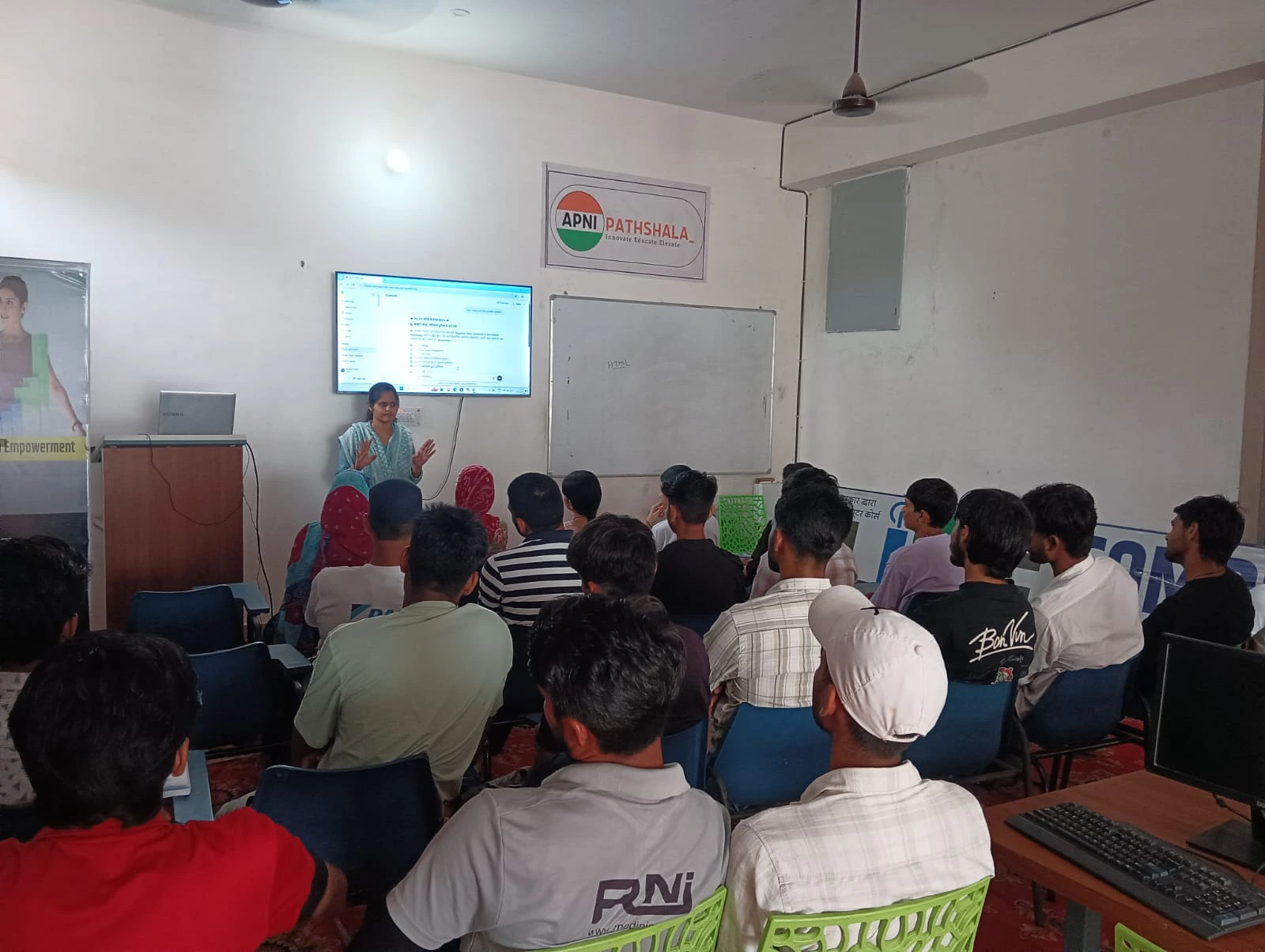
Getting started is simple. When you first power on your Apna PC, you’ll see language options prominently displayed. Select your preferred regional language, and the entire system configures automatically. The interface, menus, system messages, and help documentation all appear in your chosen language.
For families wanting to use multiple languages, Apna PC makes this easy too. You can create separate user profiles: one for Hindi learning, one for English, one for another regional language. Each profile maintains its own language settings, keyboard preferences, and even customised content recommendations.
The Apna PC distraction-free learning environment works beautifully across all languages. Whether your child is studying in Hindi, Tamil, or any other Indian language, the focused interface keeps distractions away and learning centred.
Unicode Support and Technical Excellence
Behind the scenes, Apna PC uses enterprise-grade Unicode support. This technical foundation means that every Indian language script displays with perfect clarity, special characters render correctly, and language-specific features like diacritical marks work flawlessly. Parents don’t need to understand Unicode to benefit from it. They simply see their child’s computer working beautifully in their language.
Font rendering is optimised for readability on screen. Whether your child reads for hours studying for exams or works on short, focused assignments, the fonts remain clear and easy on the eyes in every supported language.
Bridging the Language Gap in Indian Education
India’s commitment to multilingual education is real. State governments, the central government, and platforms like DIKSHA have invested heavily in regional language content. Your child’s educational computer should honour this investment by making that content accessible. Apna PC does exactly that.
By choosing an educational computer with comprehensive regional language support, you’re not just buying a device. You’re investing in your child’s confidence, comfort, and academic success. You’re saying that their mother tongue is valued, that learning in their native language matters, and that quality education belongs to every child regardless of which language they speak at home. Visit apnapc.com to learn more.