


Across millions of homes in India, students log into online classes every day facing the same invisible battle. The phone is borrowed. The connection drops without warning. A sibling needs the device. Study time is interrupted before the lesson concludes. Online learning effectiveness is not just about excellent teachers or well-made videos; it depends entirely on whether a student has a stable, uninterrupted space to engage with what is being taught. Even the best content becomes ineffective without that foundation. Unfortunately, many Indian students are experiencing this lesson firsthand.
What Does a Stable Learning Environment Actually Mean?
A stable learning environment is not simply about sitting in a quiet room. It is about having consistent, reliable access to everything a student needs the moment they sit down to study.
This means a dedicated device, not a phone shared between three family members. It means a screen large enough to read without straining the eyes. It means a keyboard for typing notes and assignments properly. It means not worrying about battery life dying mid-lecture or the network dropping right before a key explanation.
When these basics are missing, students constantly manage the situation instead of absorbing the lesson. They miss key moments. They feel behind. Over time, that frustration quietly becomes a belief that online learning simply does not work for them, when the real problem was always the environment, not the student.
According to UNESCO global education research, consistent access to learning tools is among the strongest predictors of student achievement and long-term retention. A stable learning environment is not a luxury; it is a condition for genuine learning.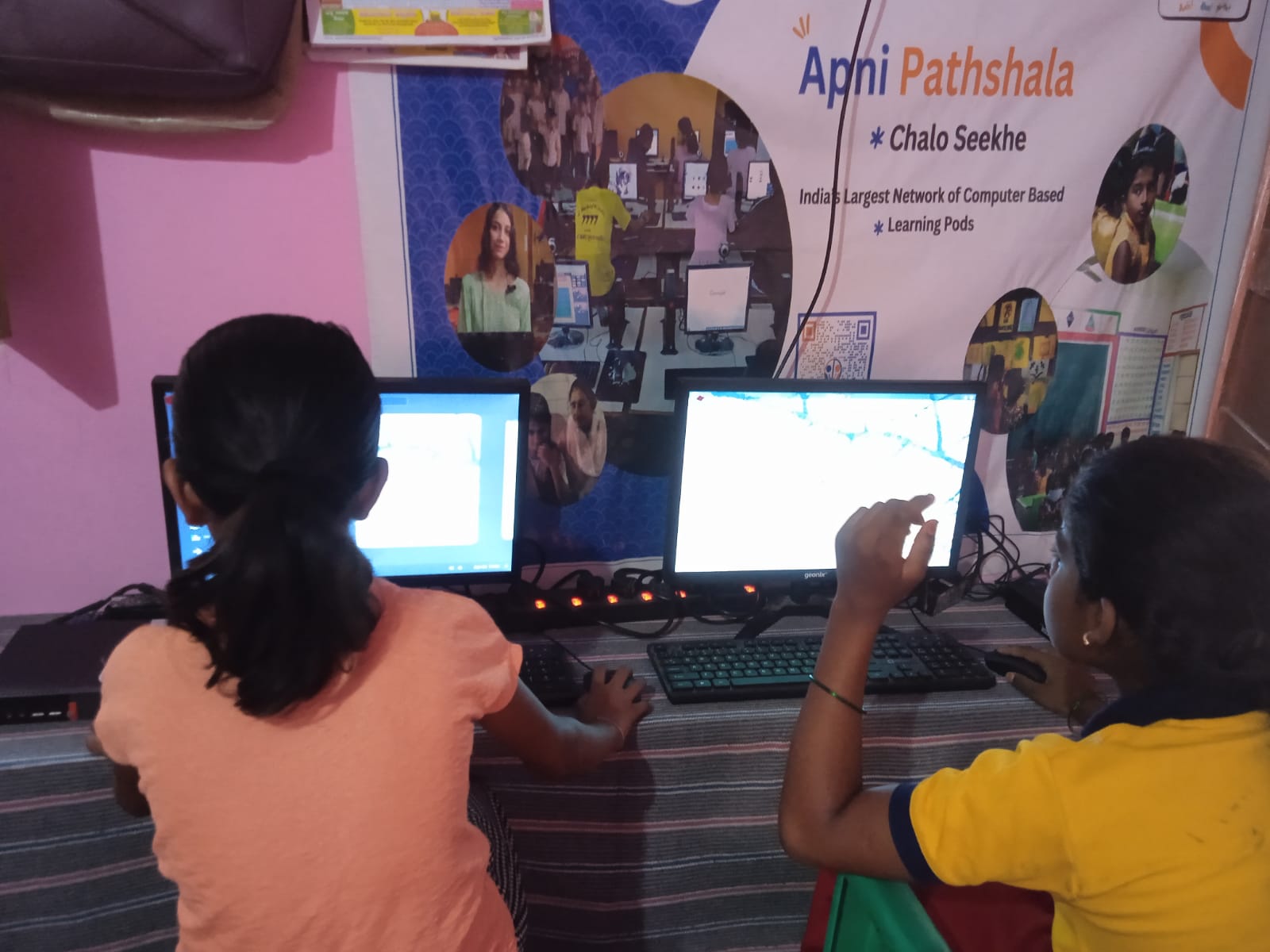
How a Stable Setup Supports Effective Online Learning
Effective online learning demands real focus. Students must follow live or recorded lessons, take notes, attempt exercises, and stay engaged, often without a teacher physically present to redirect them if attention drifts. This task is difficult on a shared phone with a small screen and no keyboard.
When a student has a proper computer setup at home, the experience becomes fundamentally different. They can view lesson slides without squinting. They can type notes at a natural pace. They can open a second tab to search for something they did not understand without losing the lesson. They can rewatch a recorded session as many times as needed, on their terms, at their pace.
This kind of self-directed, relaxed engagement is what genuine learning looks like. It is nearly impossible when the device is wrong, the time is borrowed, or the screen belongs to someone else.
As Why Every Indian Student Needs Their Computer explains, ownership matters deeply. When a student has a computer that is theirs, not borrowed or shared, they use it more consistently. They explore topics beyond the lesson. They build the kind of habits that actually compound over time.
The Digital Learning Challenges Indian Families Face Every Day
The digital learning challenges facing Indian families today are not about willingness. Parents want their children to succeed. Students are motivated to learn. The barrier is almost always practical, and financial.
A quality laptop in India typically costs ₹40,000 or more. For families in Tier 2 and Tier 3 cities, that is simply not a number they can reach, especially when there are other children in the home, school fees to manage, and no certainty about immediate returns on the investment.
So students continue sharing smartphones. They study on cramped screens. They compete with siblings for device time. They attend online class when the phone is free, not when they are mentally prepared to learn.
DIKSHA, India’s national digital learning platform, reaches millions of students with structured digital content. But reaching a platform and actually learning from it are two entirely unique things. Device quality, private access, and screen size determine whether a student absorbs what is available or just scrolls past it.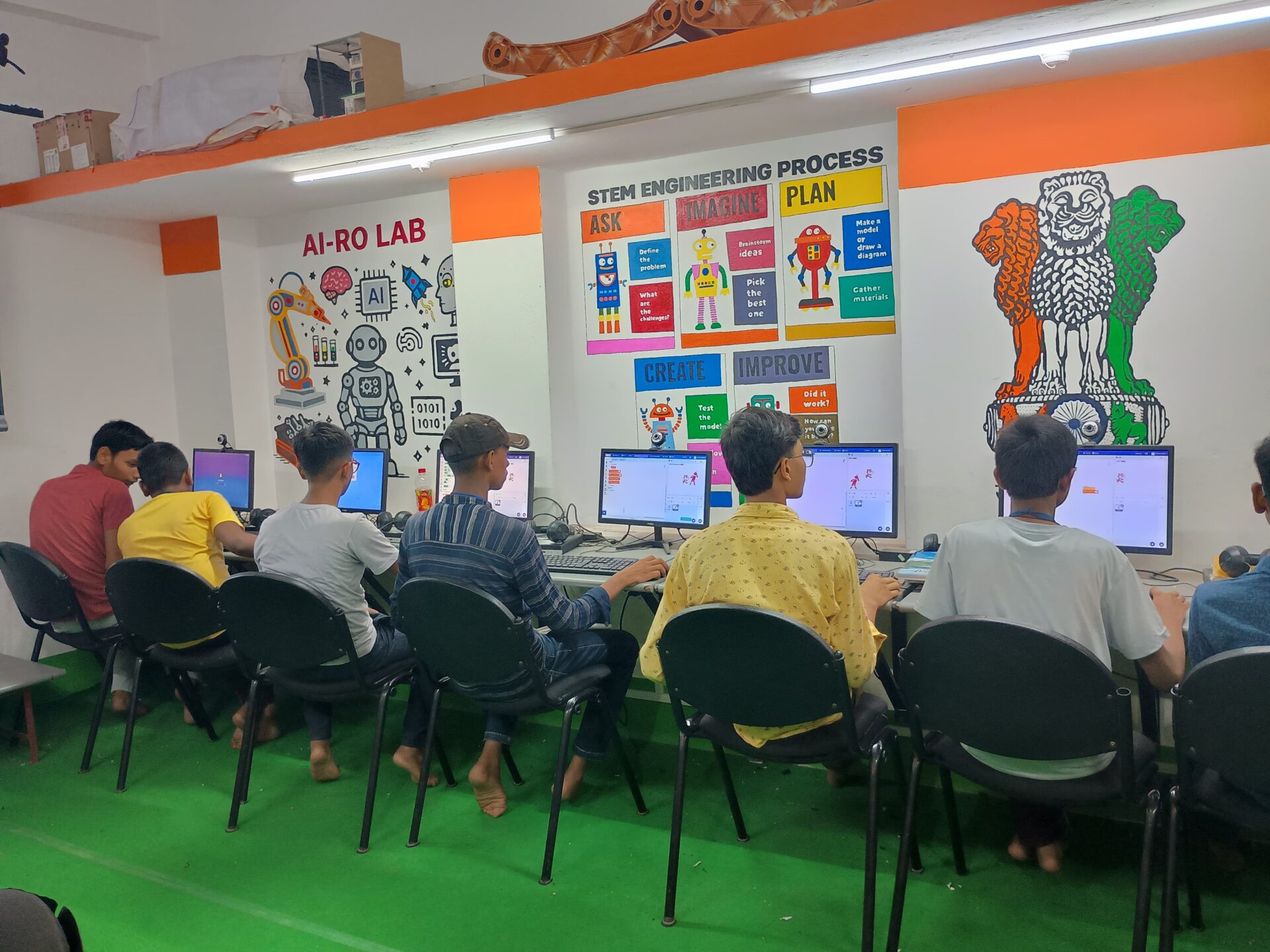
This is precisely the gap Apna PC was built to close. It is an affordable, educationally focused computer designed for Indian students and their families, priced at ₹21,000 (shipping and GST excluded). It comes ready with learning software, works reliably without high-end internet, and belongs entirely to the student. That matters more than most people realize.
As The Biggest Advantage a Student Can Have Today reminds us, it is not a single exam score that shapes a child’s future, but the consistent, stable support system behind every study session and every revision that follows.
Stability Is the Real Foundation of Learning
Online learning works. Millions of students across India are proving it every day. But it only works well when a student has the right conditions, a reliable device, a personal screen, and the freedom to focus on understanding rather than managing logistics. The child is not the problem. The environment is. Fix the environment, and learning follows.
If your child is struggling to keep up with online classes, the answer is not more pressure, it is better support. Visit apnapc.com to learn more.