

Most parents notice it eventually; one child sits down at the computer and studies, while another opens it and drifts. The difference is almost never about intelligence. It is about habits. Strong independent learning skills are built through small, repeatable digital routines, and any student can learn them when given the right environment, a quiet corner, and a little guidance from home.
What Independent Learning Actually Looks Like?
Independent learning is not about a child sitting alone in a room with no support. It is about a student knowing how to take a problem and work through it without waiting for the next instruction.
You see it in small moments. A class 9 student watches a chapter explanation, pauses the video, takes notes in her own words, and then practices five sums on her own. A class 12 student stuck on a chemistry concept opens two different YouTube channels until one explanation finally clicks. This is real self-learning for students, not memorizing, but actively searching, comparing, and applying.
These habits do not appear overnight. They are built through repetition. And they almost always need a personal device that provides the student enough freedom to explore without someone hovering over the screen or asking when they will be finished using the phone.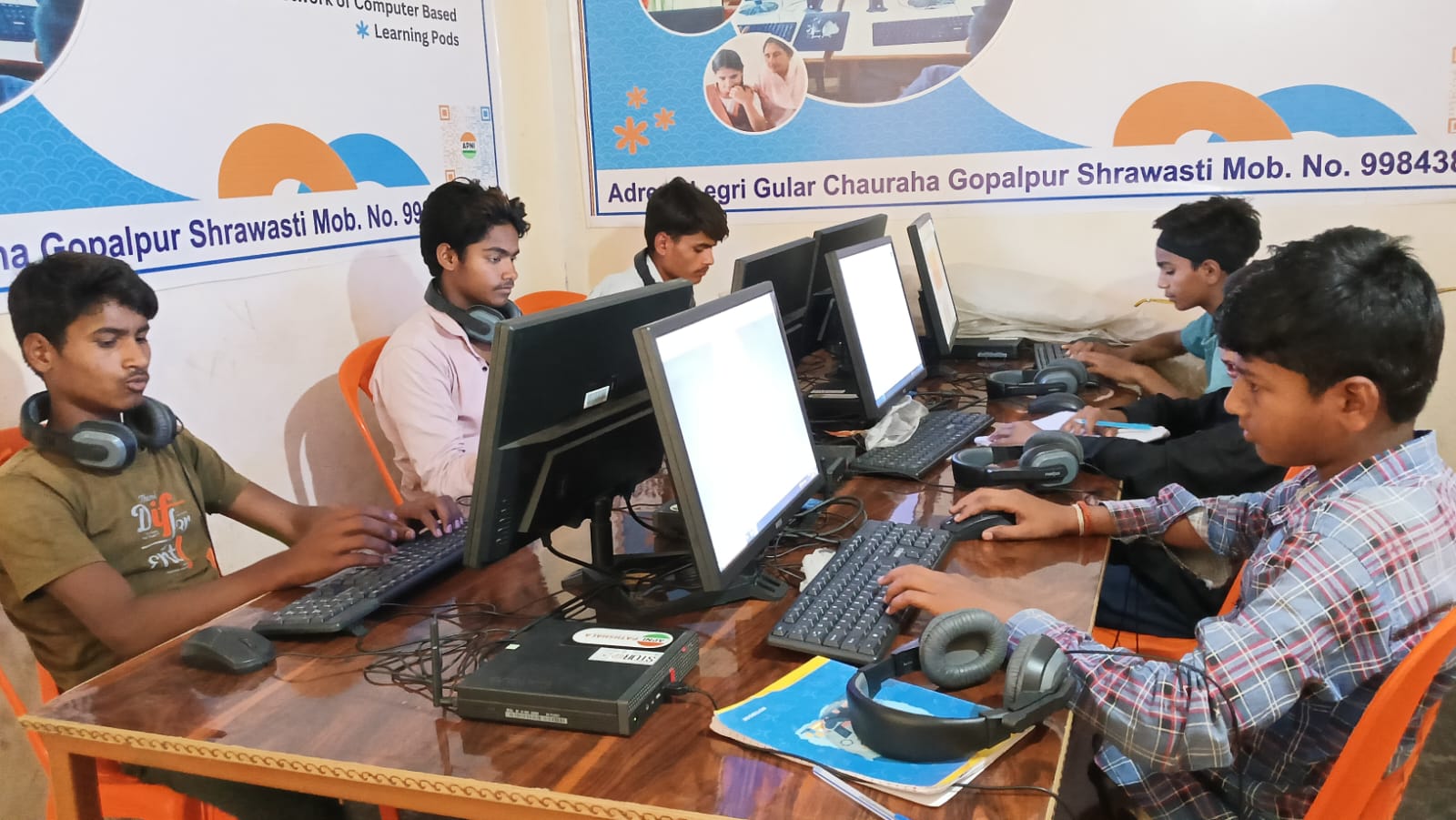
Daily digital habits that help build this skill are essential.
The students who become strong, independent learners usually follow a few consistent patterns. None of them is complicated, and most of them can be built into a regular school week without disrupting tuition or homework.
- A fixed study time on the computer, even just 45 minutes a day, every day, is more powerful than three hours once a week.
- Note-taking in their own words while watching tutorials, not just passive viewing.
- One small daily search, a new word, a class doubt, or a topic from a chapter turned into the habit of asking the internet first.
- Free national platforms like DIKSHA, India’s national digital learning platform, are used regularly for board-aligned material.
- They do a weekly five-minute review of what they actually learned, writing it down somewhere they can see again.
These small digital learning habits stack up quietly. A student who watches one extra explanation, looks up one extra doubt, and writes one extra paragraph each day is, after a year, in an entirely different place from a classmate who only opens a device when homework forces them to. To understand how this process compounds over time, read How a Personal Computer Helps Students Learn beyond the school curriculum.
The hidden ingredient is ownership. A student who has to ask permission every time they want to learn something new will rarely build the habit. A student who has their own setup will be more likely to develop this habit.
Why Indian Families Should Care About Education Now
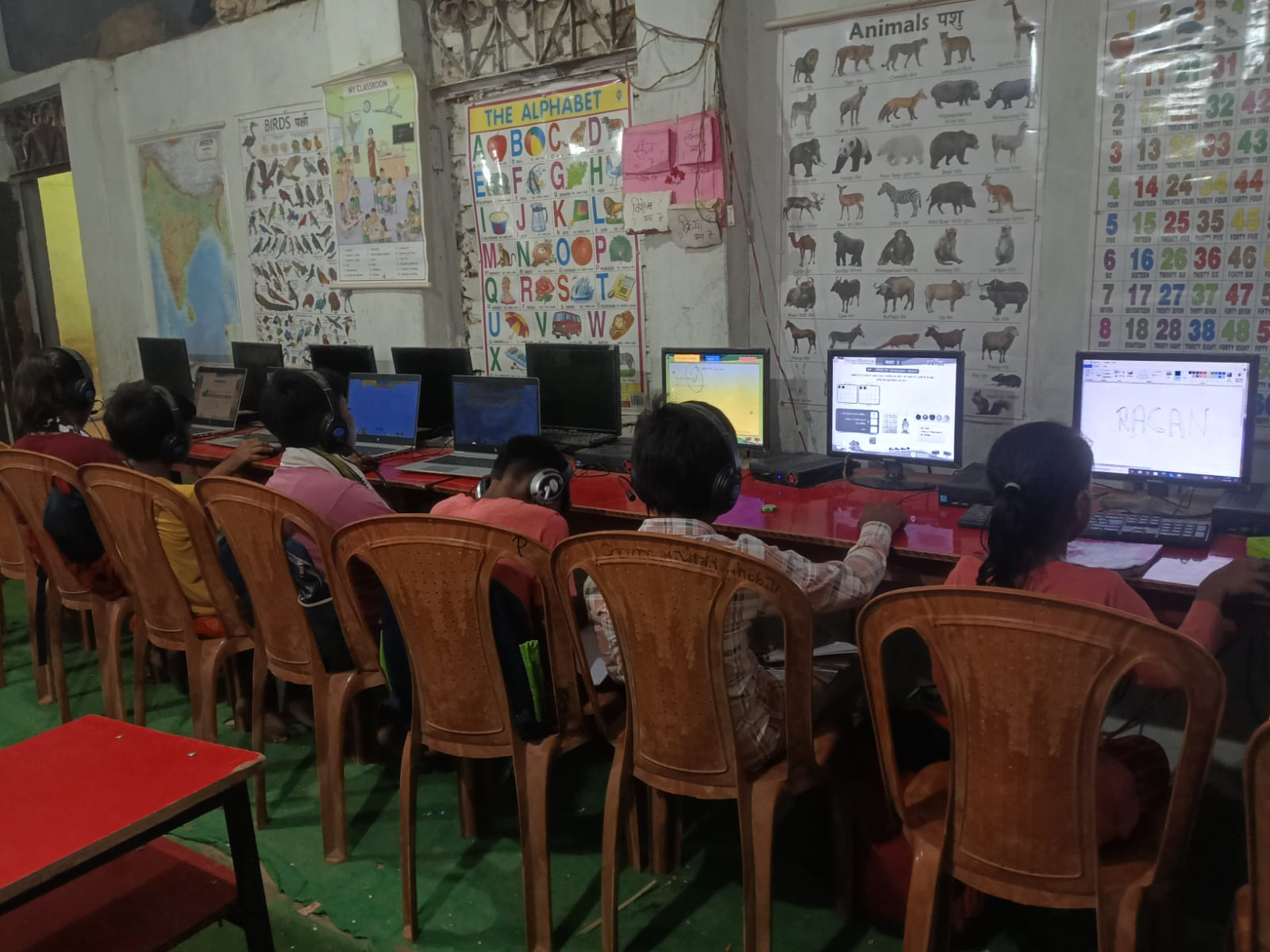
The job market your child will eventually enter does not reward memorization. It rewards the person who can learn something new on Monday and apply it by Friday. Schools, no matter how good, cannot teach this skill directly. It comes from practice, and that practice needs a device that the child can actually call their own.
For most middle-income Indian families, a phone is the default. But a phone is built for consumption, not for study. Switching between apps, tiny screens, constant notifications, and no real keyboard, these all quietly kill online learning skills before they have a chance to form. A simple desktop, quiet and dedicated, entirely changes the experience. Research from UNESCO’s global education research repeatedly shows that students who learn to direct their own study outperform their peers over the long run, both in higher education and in early careers.
This is the gap Apna PC was built to close. A ready-to-use computer designed specifically for Indian students, priced at ₹21,000 (shipping and GST excluded), so parents in Tier 2 and Tier 3 cities don’t have to choose between affordability and giving their child a real digital workspace. Building independent learning skills at home becomes a daily reality, not a luxury. For a deeper look at why this kind of access matters more than marks, read The Biggest Advantage a Student Can Have Today.
Independent learning is a habit, and habits need the right tools to stick. Give your child a quiet workspace where these habits can form day after day. Visit apnapc.com to learn more.