


Most students in India have access to study material: textbooks, printed notes, PDFs, and video lessons on YouTube. But access to material is not the same as knowing how to learn. Students who rely only on material without structure often discover themselves reading the same chapter three times and still feeling uncertain about it come exam day. Effective learning methods go beyond what you study. They shape how you study, and that difference determines whether a student simply completes through a syllabus or genuinely understands it well enough to use it.
Why do effective learning methods matter more than material?
Having clear study techniques for students is not about following a rigid timetable or sitting at a desk for six hours a day. It is about creating a repeatable process that takes raw information and turns it into something a student can actually use in an exam, in a project, or in real life beyond school.
A learning system, at its core, has four basic parts:
- A routine. A consistent time and place where studying happens regularly.
- A method. An intentional way of engaging with material, not just reading it through.
- A review process. Revisiting what was studied so it stays in memory beyond the next day.
- A feedback loop. This approach helps identify what isn’t working and allows for adjustments before marks are affected.
Most students have none of these in place. They open a textbook when an exam is two days away, read through it once, and hope for the best. This is not studying. It is exposure. And exposure without active engagement produces little lasting understanding.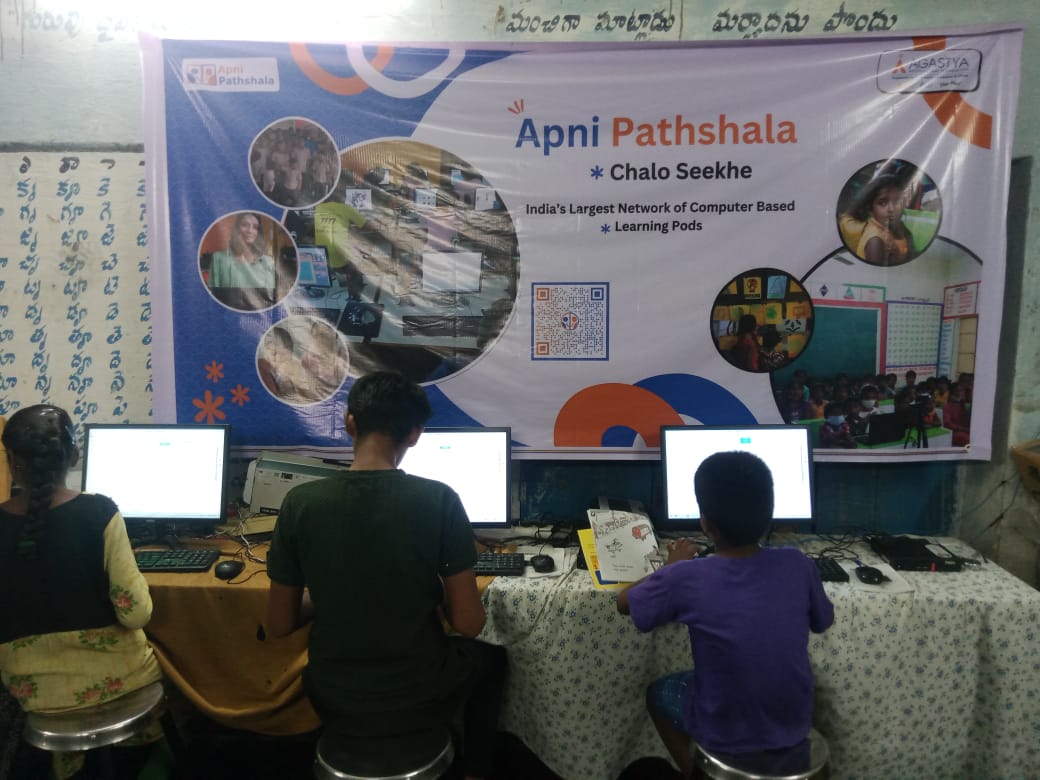
The gap between a consistently performing student and one who struggles despite real effort is usually not a matter of intelligence. It is a matter of the system. Effective learning methods are what turn that system into real results.
A structured learning system helps students retain more and study smarter, not just longer.
Why Smart Learning Strategies Beat More Study Hours?
More time at the desk does not automatically mean better results. Research consistently shows that smart learning strategies outperform sheer volume of passive study time. A student who works for two focused hours using the right methods will outperform one who spends five hours going through notes without real engagement.
Here are three strategies that can make a measurable difference:
Active recall over passive reading. Instead of reading a chapter again, close the book and try to write down everything you remember from it. This forces the brain to retrieve information, which strengthens long-term memory far more effectively than re-reading the same page three times.
Spaced repetition. Reviewing material at increasing intervals, such as day one, day three, and day seven, builds genuine retention. This is the principle behind effective revision schedules and most modern learning apps, and it works because it mirrors how memory actually functions in the brain.
Teaching as a test. When a student explains a concept out loud to someone else, any gaps in their understanding become immediately apparent. If you cannot explain something simply, you have not fully understood it yet; this is valuable information before an exam, but not after.
The Central Board of Secondary Education (CBSE) has consistently moved its curriculum toward conceptual understanding over rote memorization. These strategies align directly with that approach, and students who adopt them tend to find exams less stressful and results more consistent across subjects.
How the Right Environment Supports Effective Learning Methods
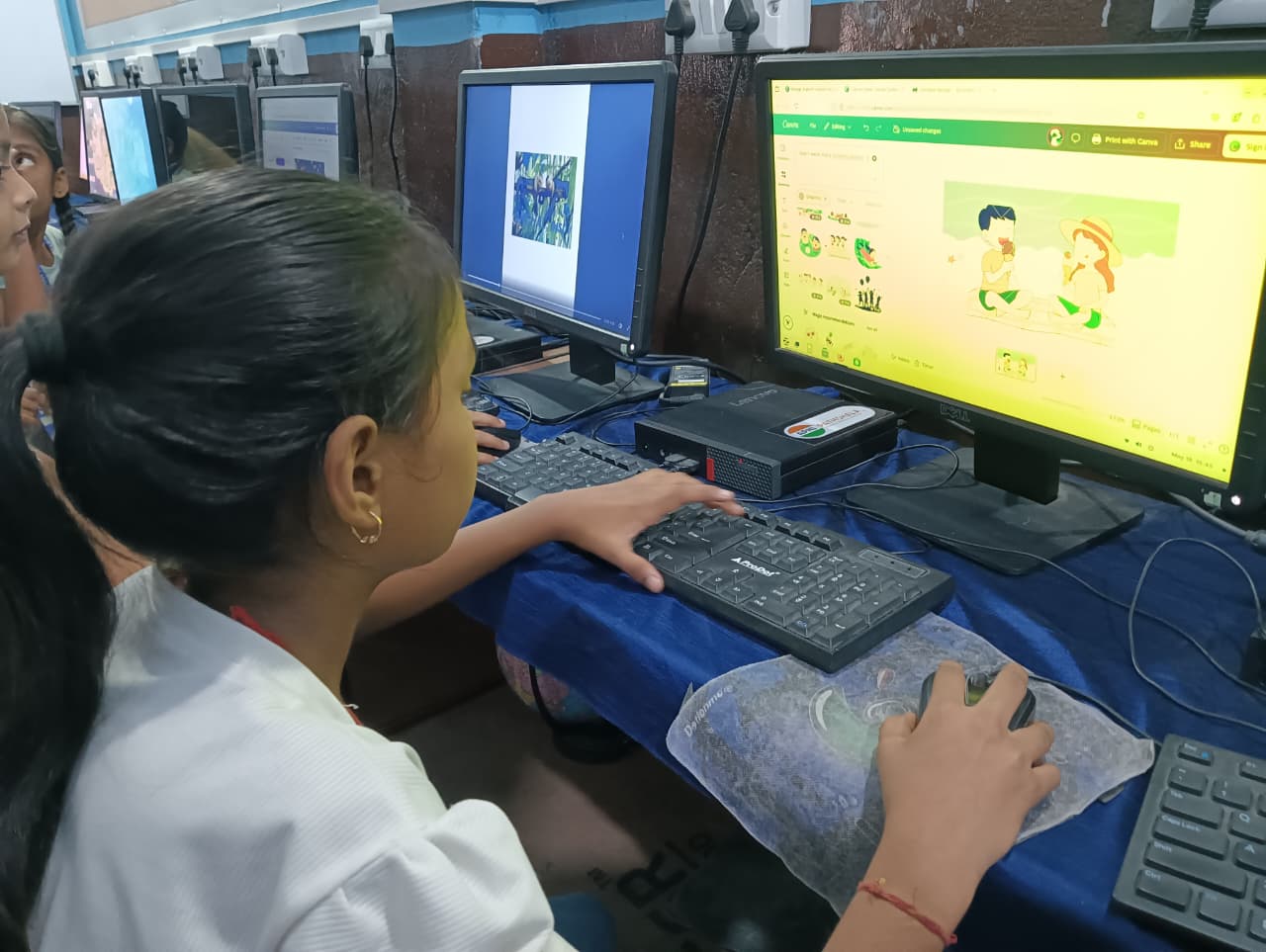
The deeper goal of any effective method is to build self-learning for students, the ability to pick up new knowledge and skills independently, without needing to be told what to study or when. This matters far beyond school. Every career, skill, and area of adult growth necessitates the capacity to learn independently.
Building this habit starts with a stable environment. A student who has a dedicated space, a consistent routine, and a device of their own is far more likely to develop a sustainable learning rhythm than one who is constantly working around shared screens and borrowed windows of time.
DIKSHA, India’s national digital learning platform, offers thousands of free, curriculum-aligned resources for students across grades. But to benefit from a platform like that, a student needs reliable and consistent access, not an occasional window on a shared family phone.
This is where the biggest advantages a student can have today become clear. It is not a clever shortcut. It is the right environment, built around the student. Apna PC, at ₹21,000 (shipping and GST excluded), gives students a personal computer made for this purpose, with a proper screen, reliable access, and a stable setup that lets a learning system run every day.
For parents curious about what Apna PC includes and how it fits into a daily routine, What Is Apna PC answers that clearly and shows why the right setup changes more than just marks.
Study material is available everywhere today. What most students genuinely need is a system and effective learning methods, supported by the right tools, to make that system work every day. Visit apnapc.com to learn more.